
Pembroke Museum
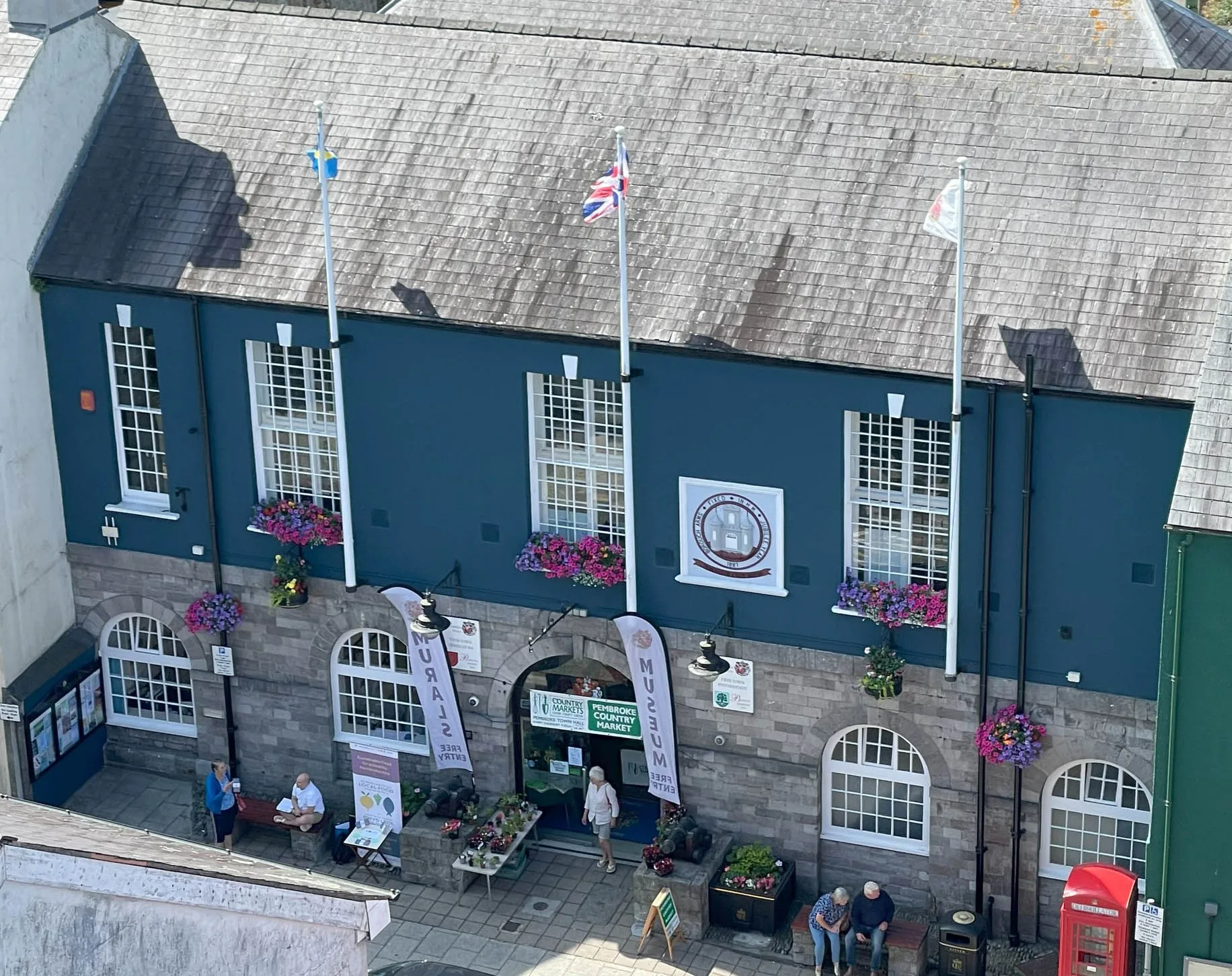
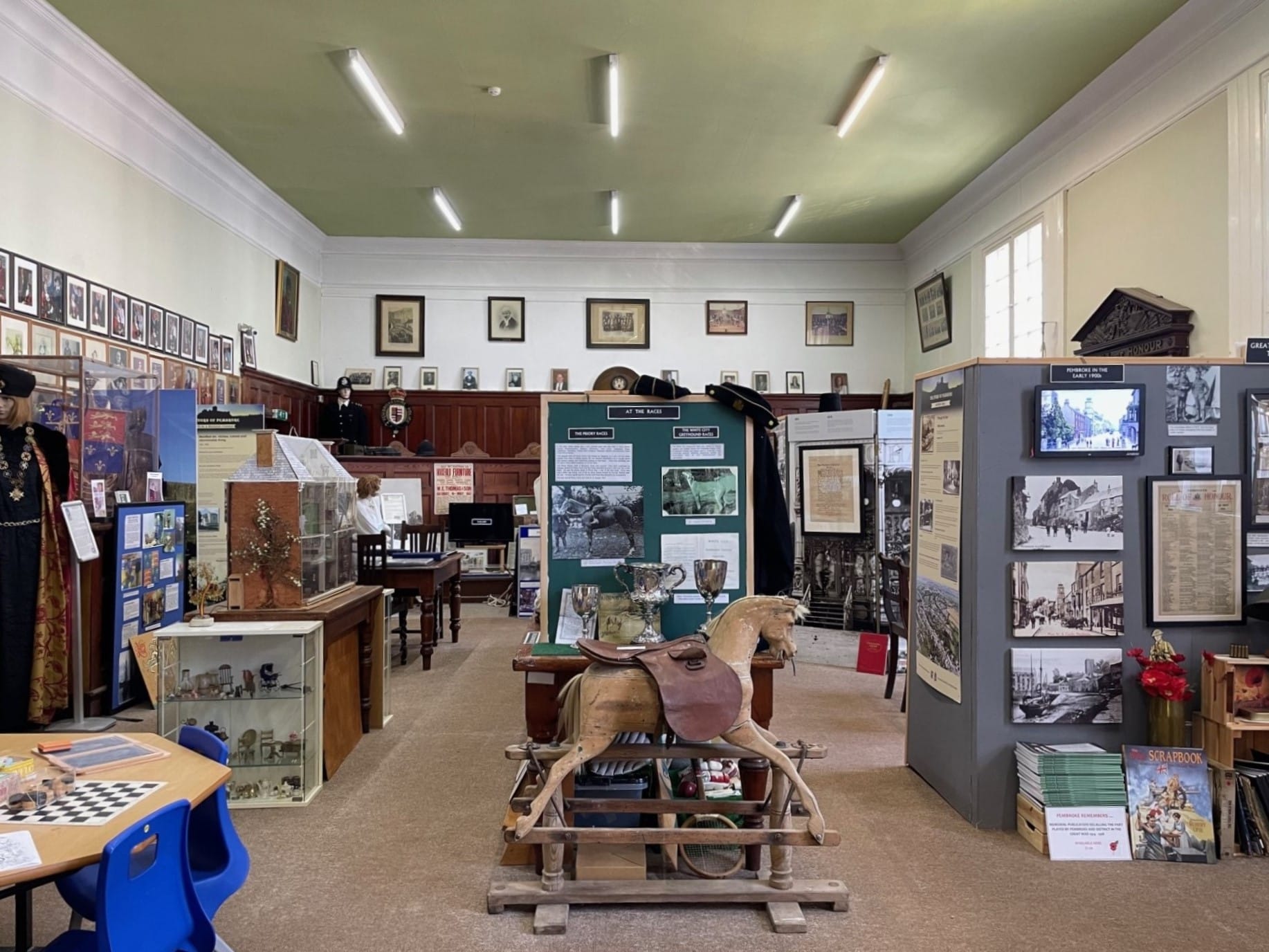
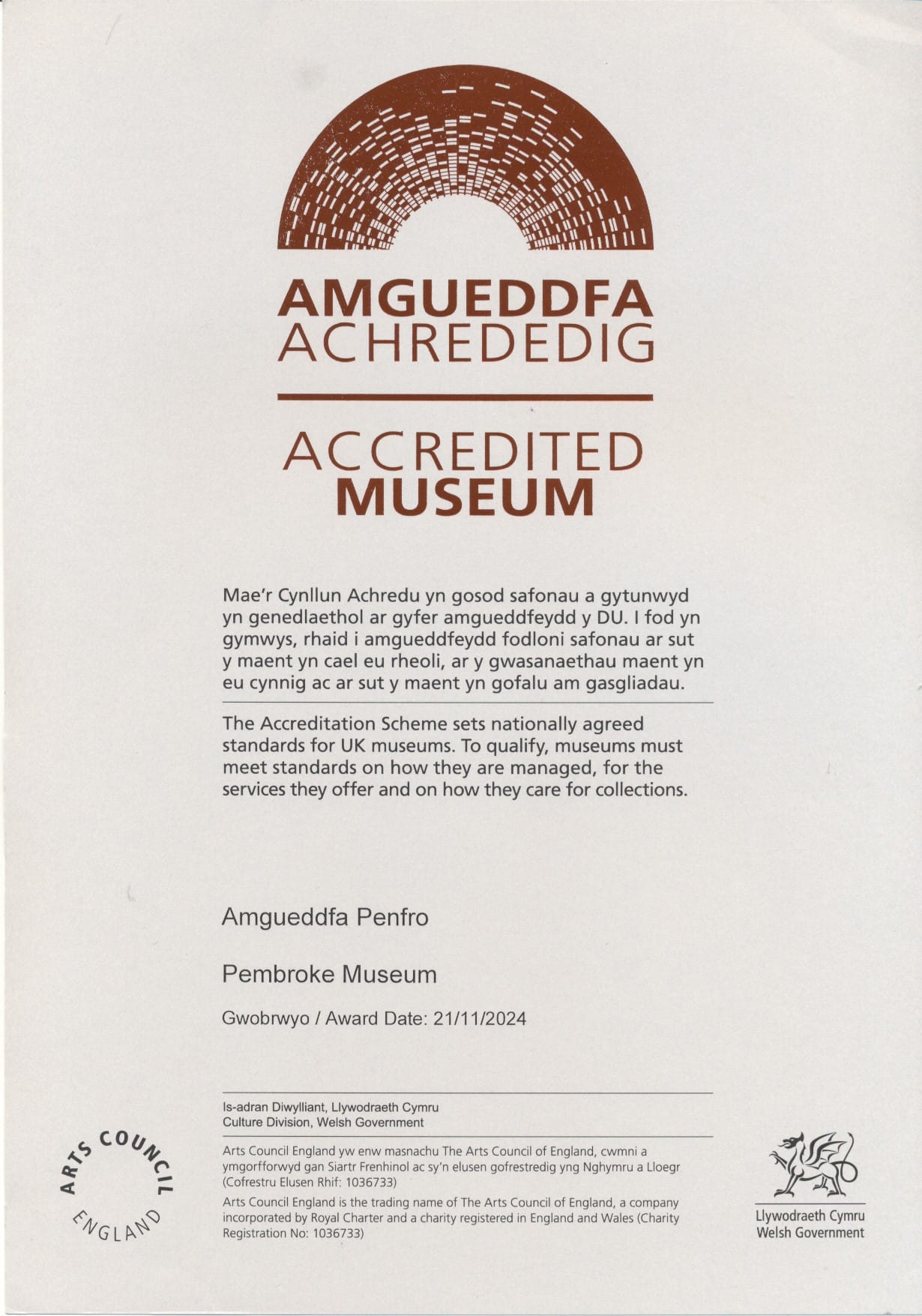
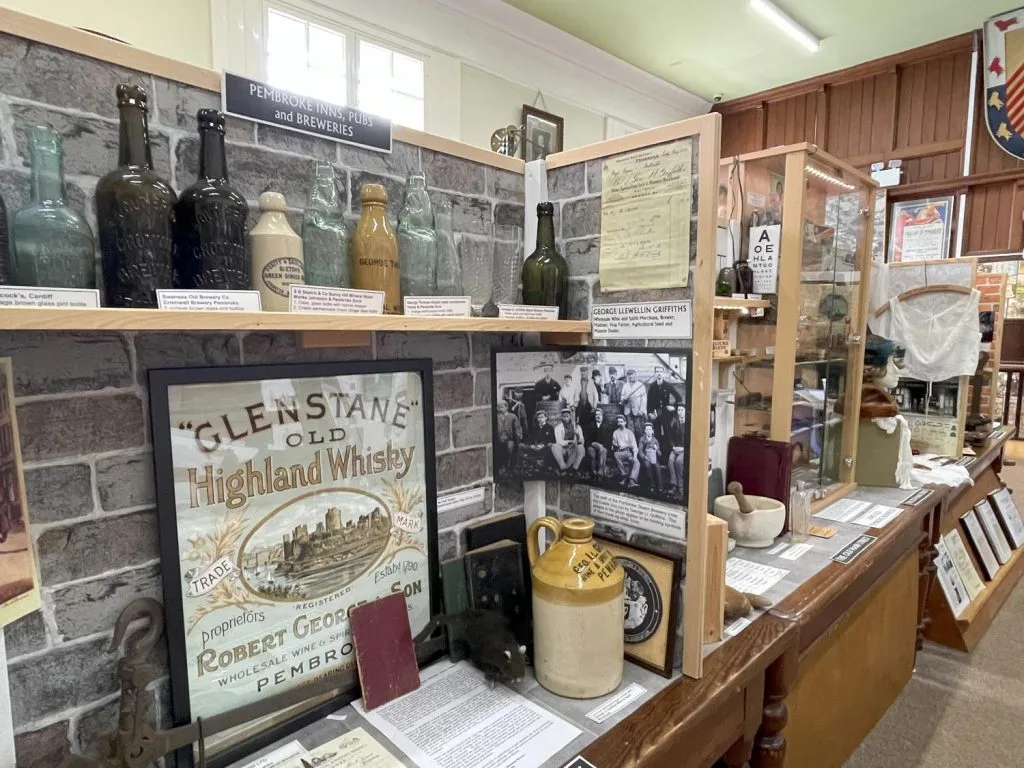
Pembroke Museum is pleased to announce that is has now been awarded full accreditation status by the Welsh Government. The Museum is situated in Pembroke Town Hall, a Grade II listed, Georgian building with much to interest the visitor.
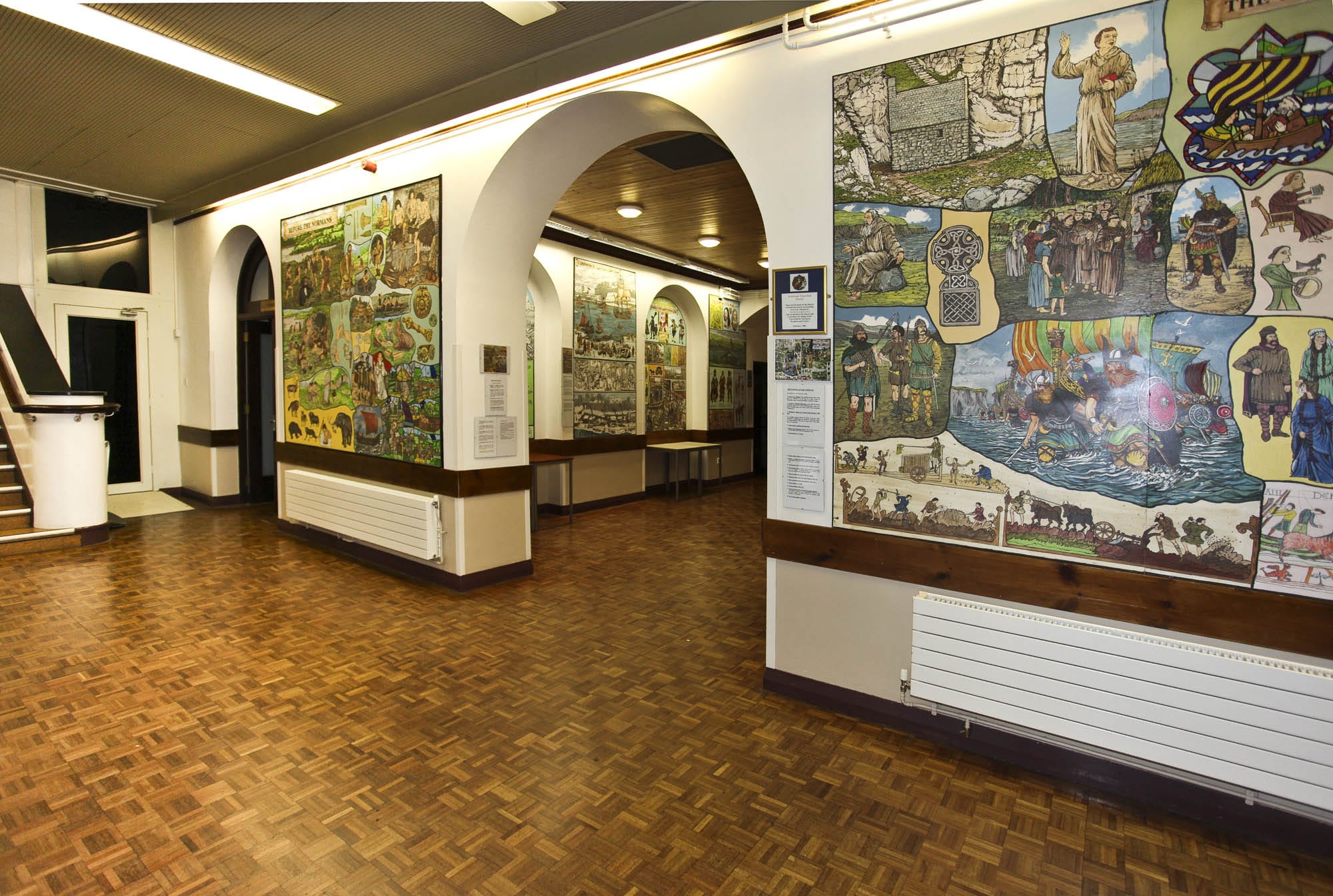
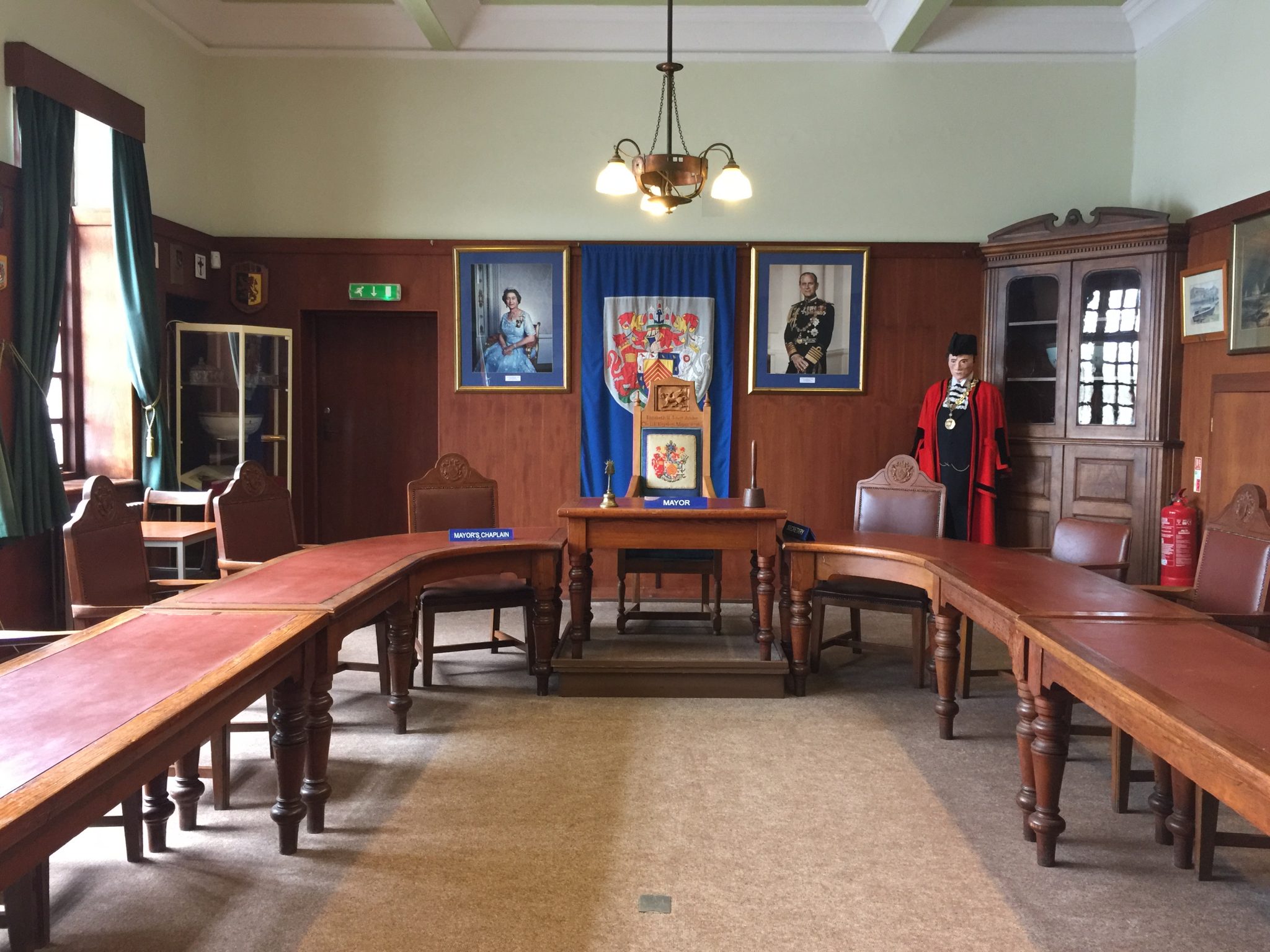
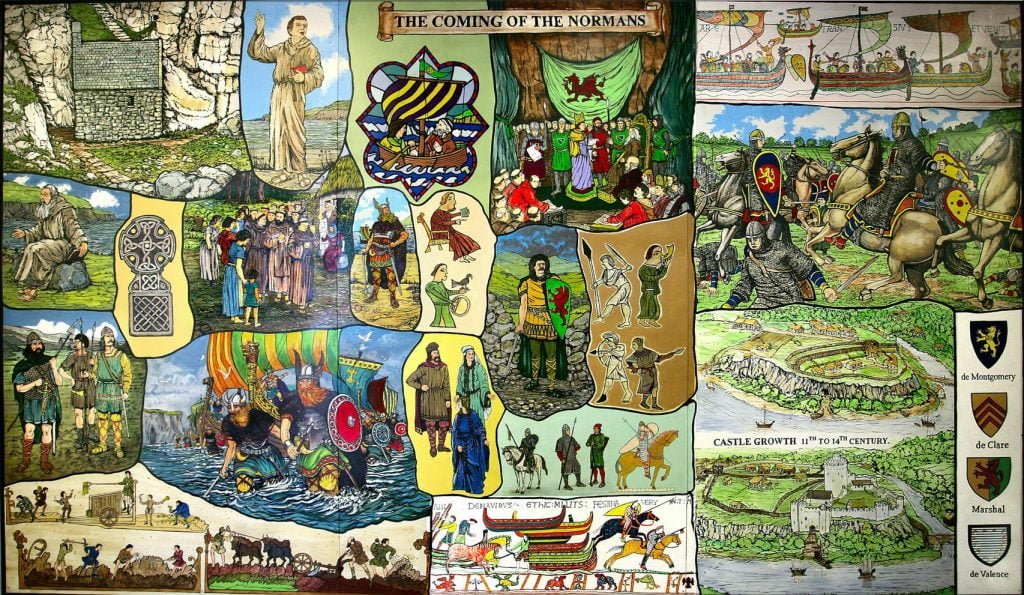
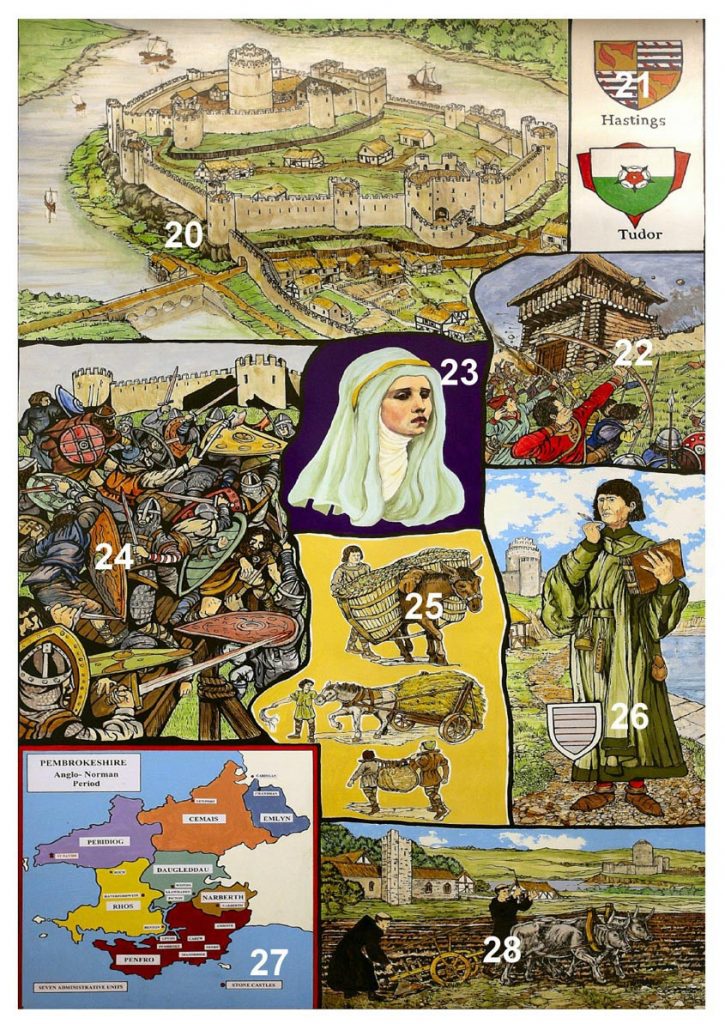
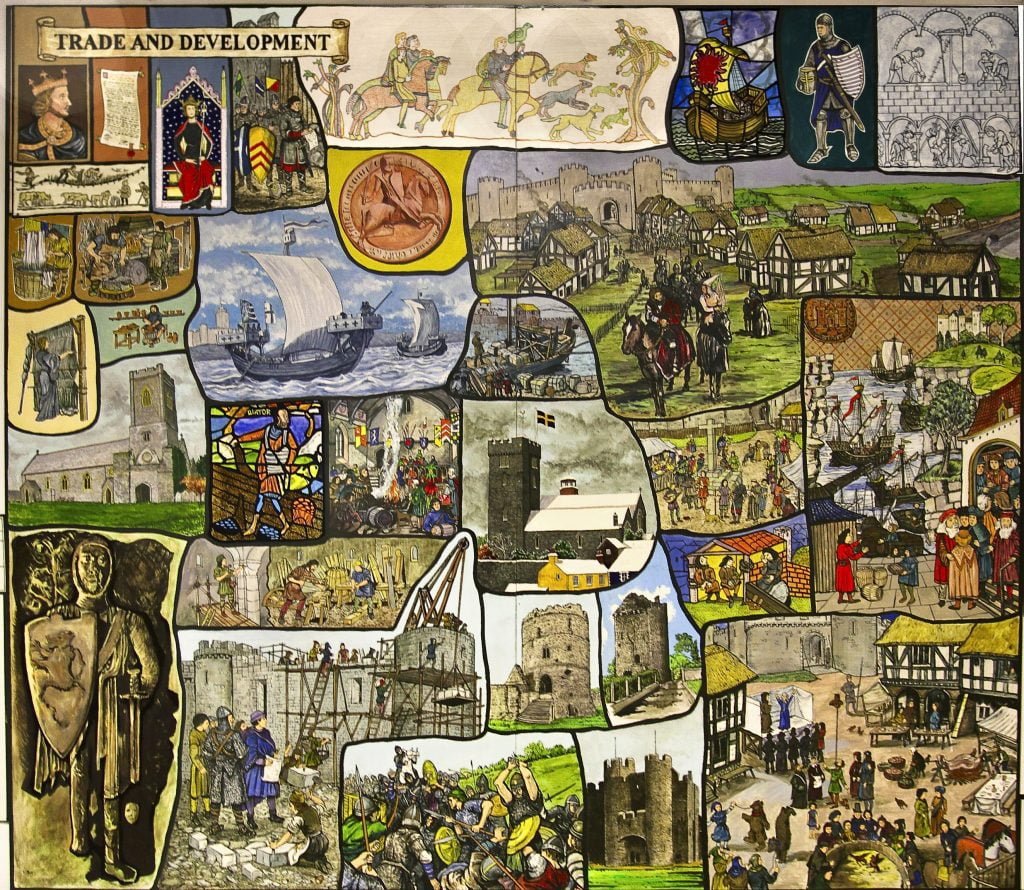
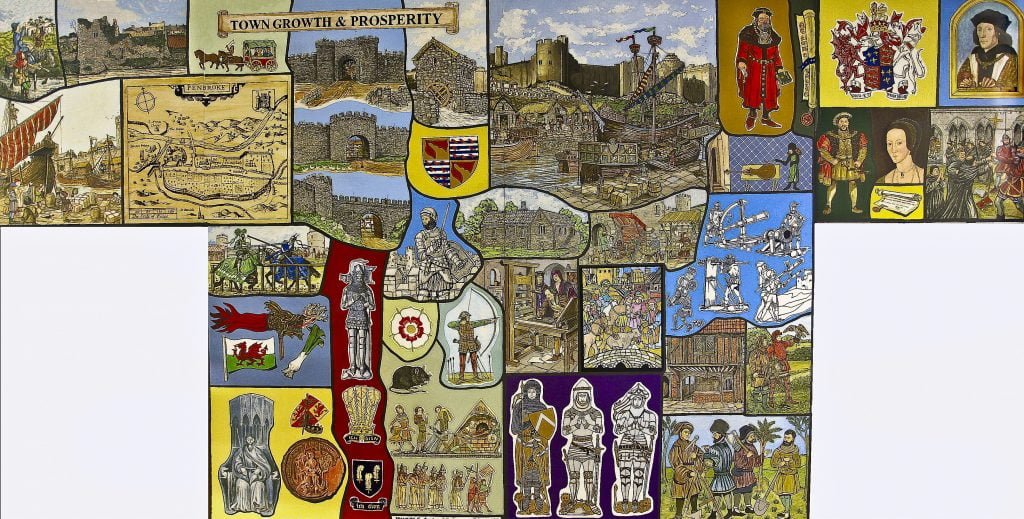
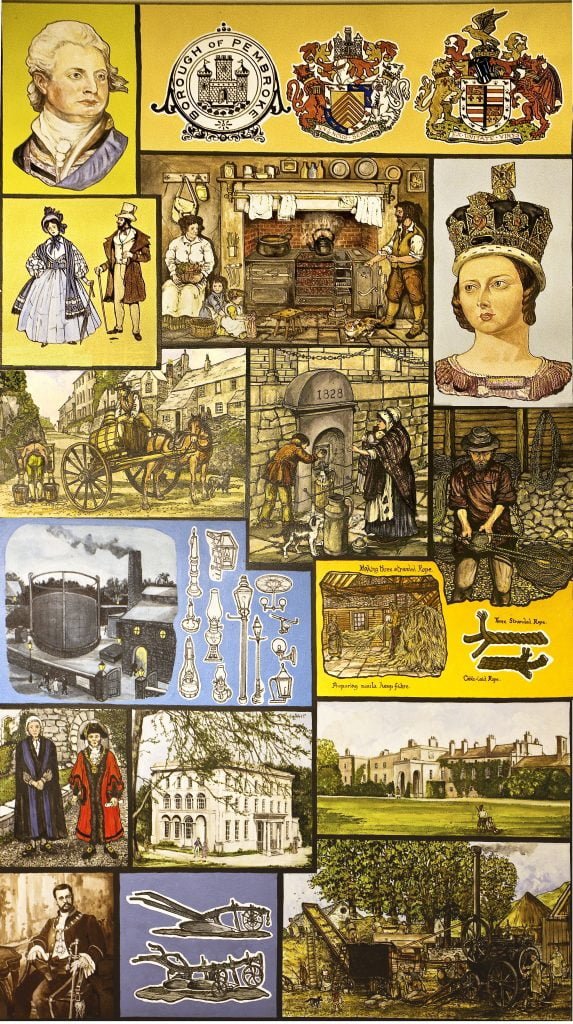
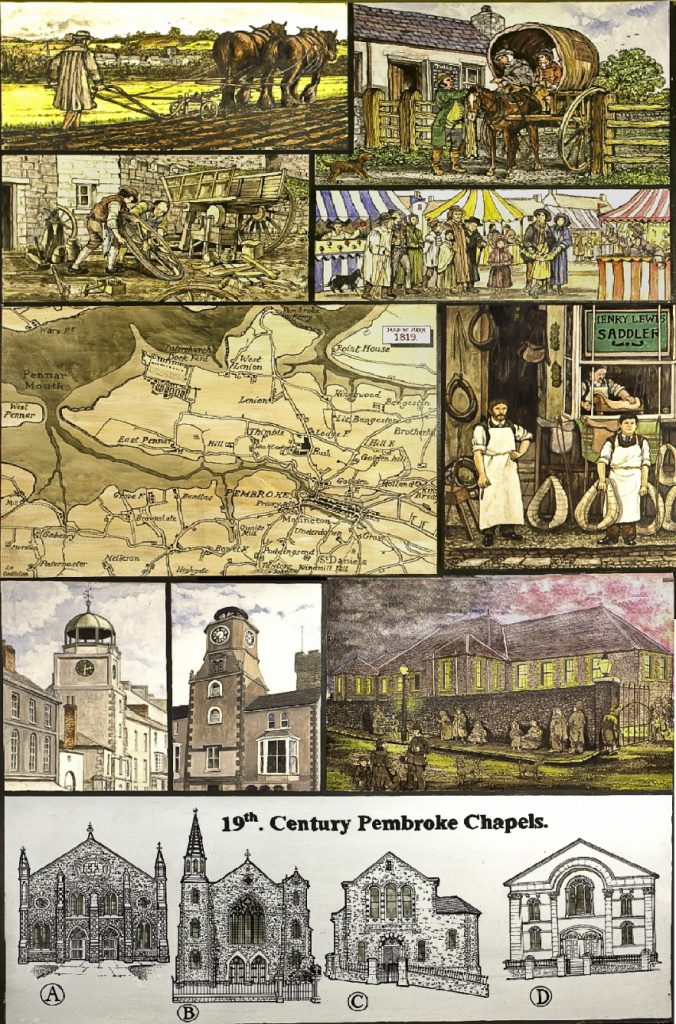
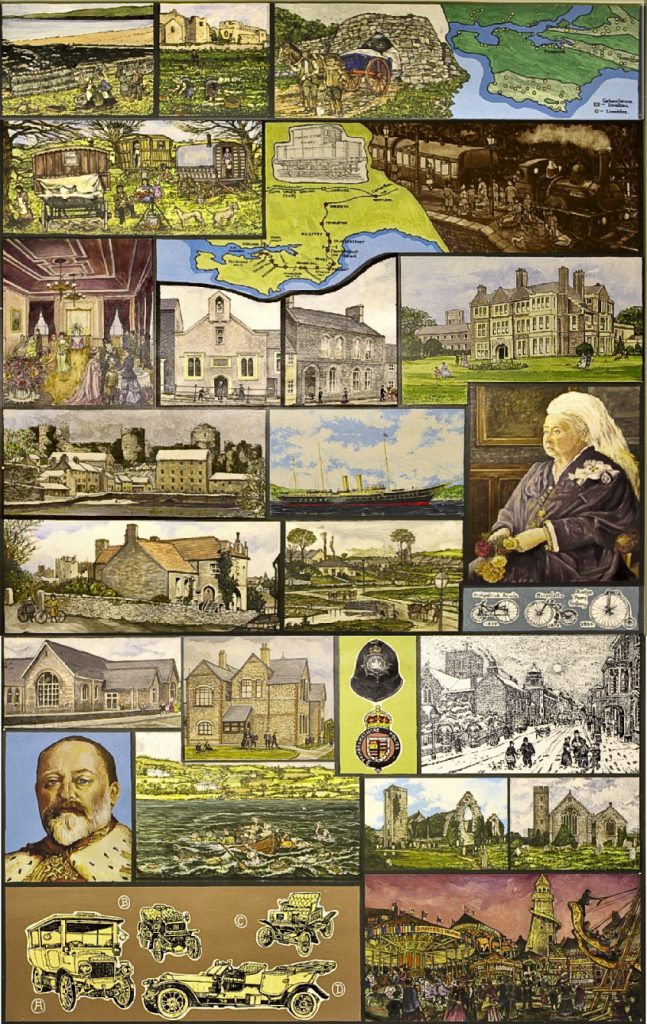
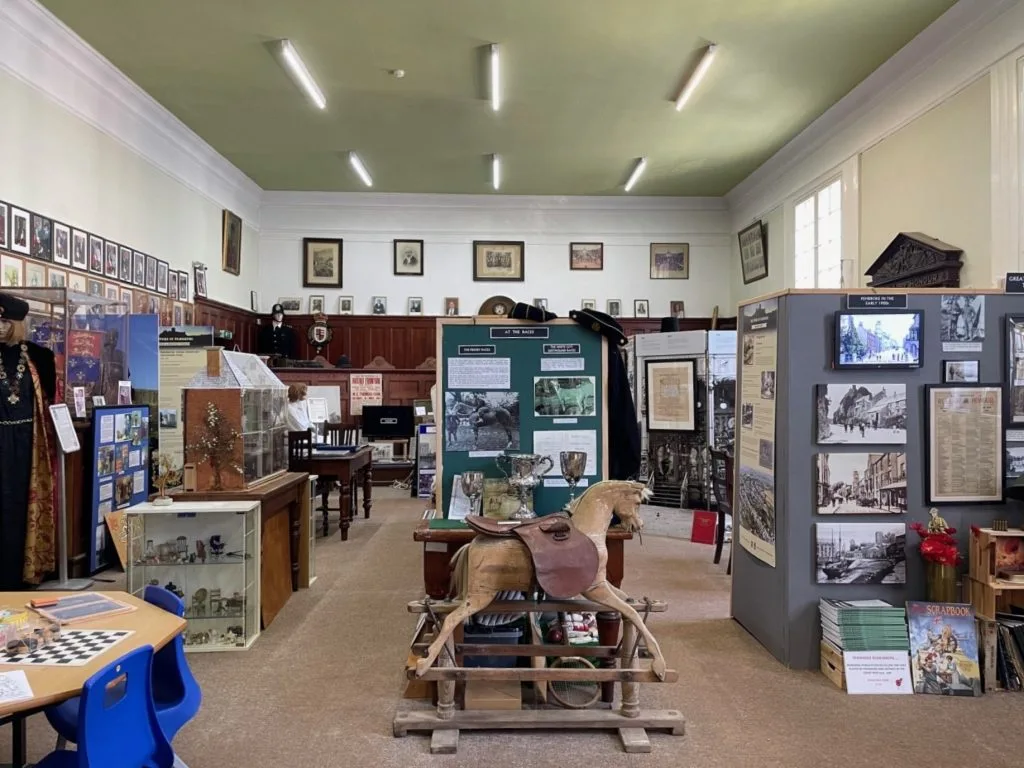
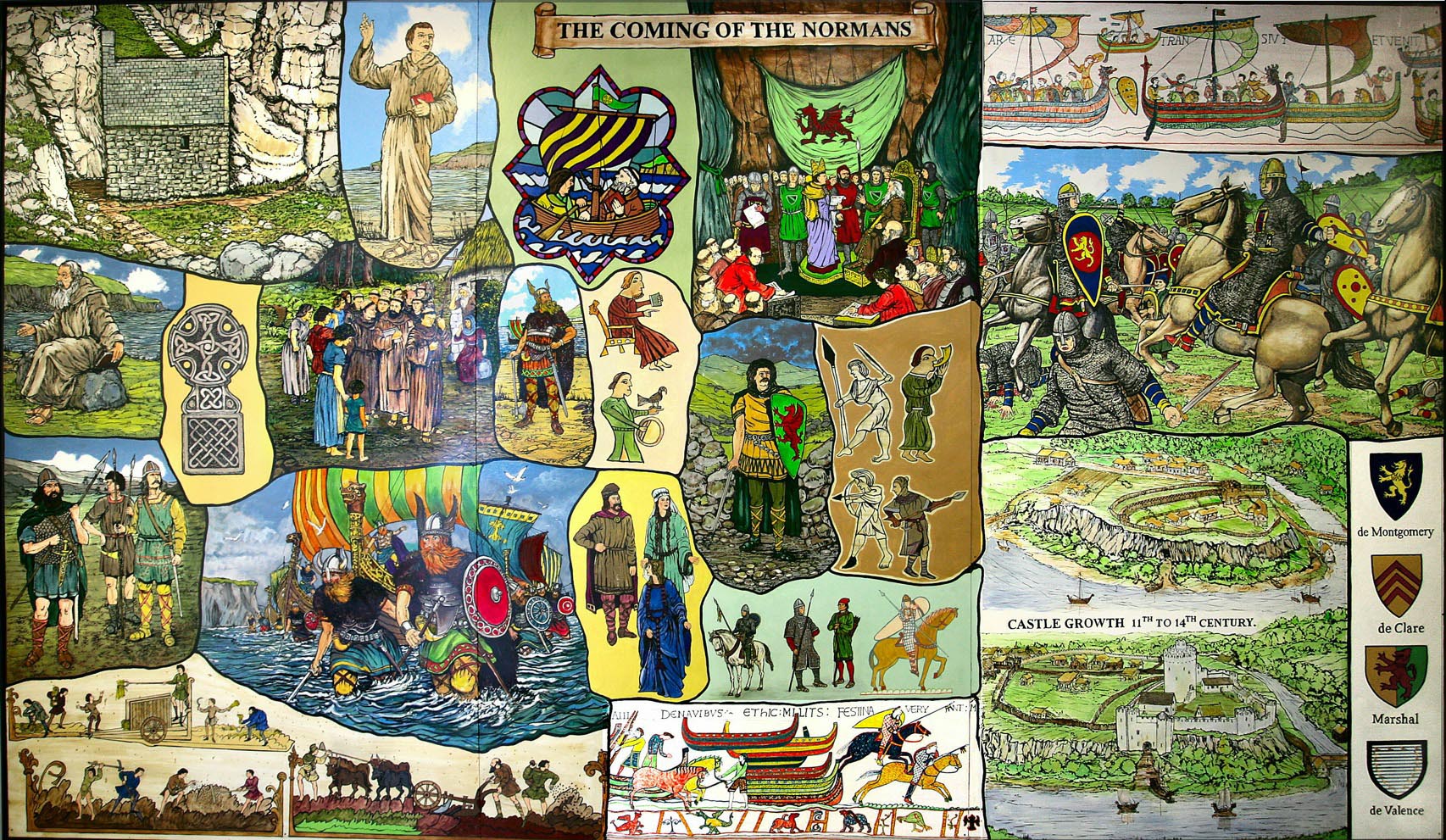
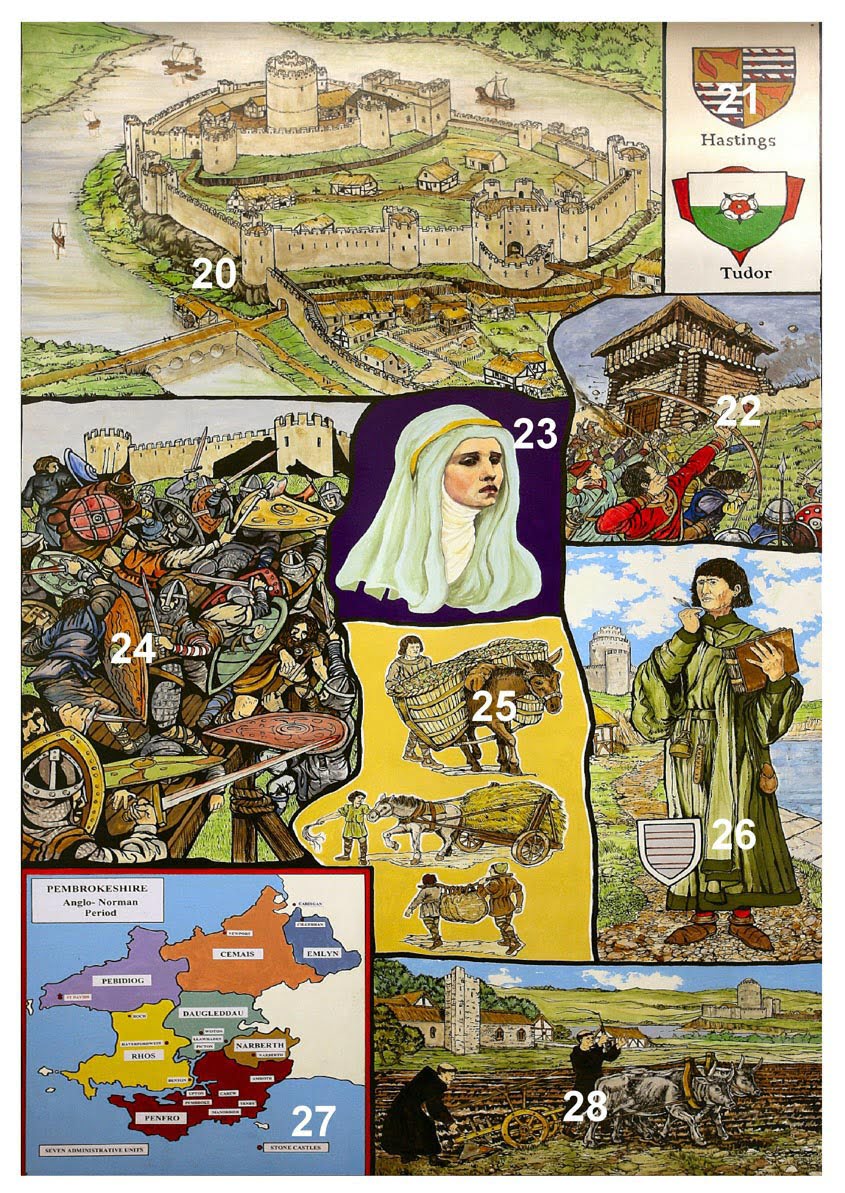
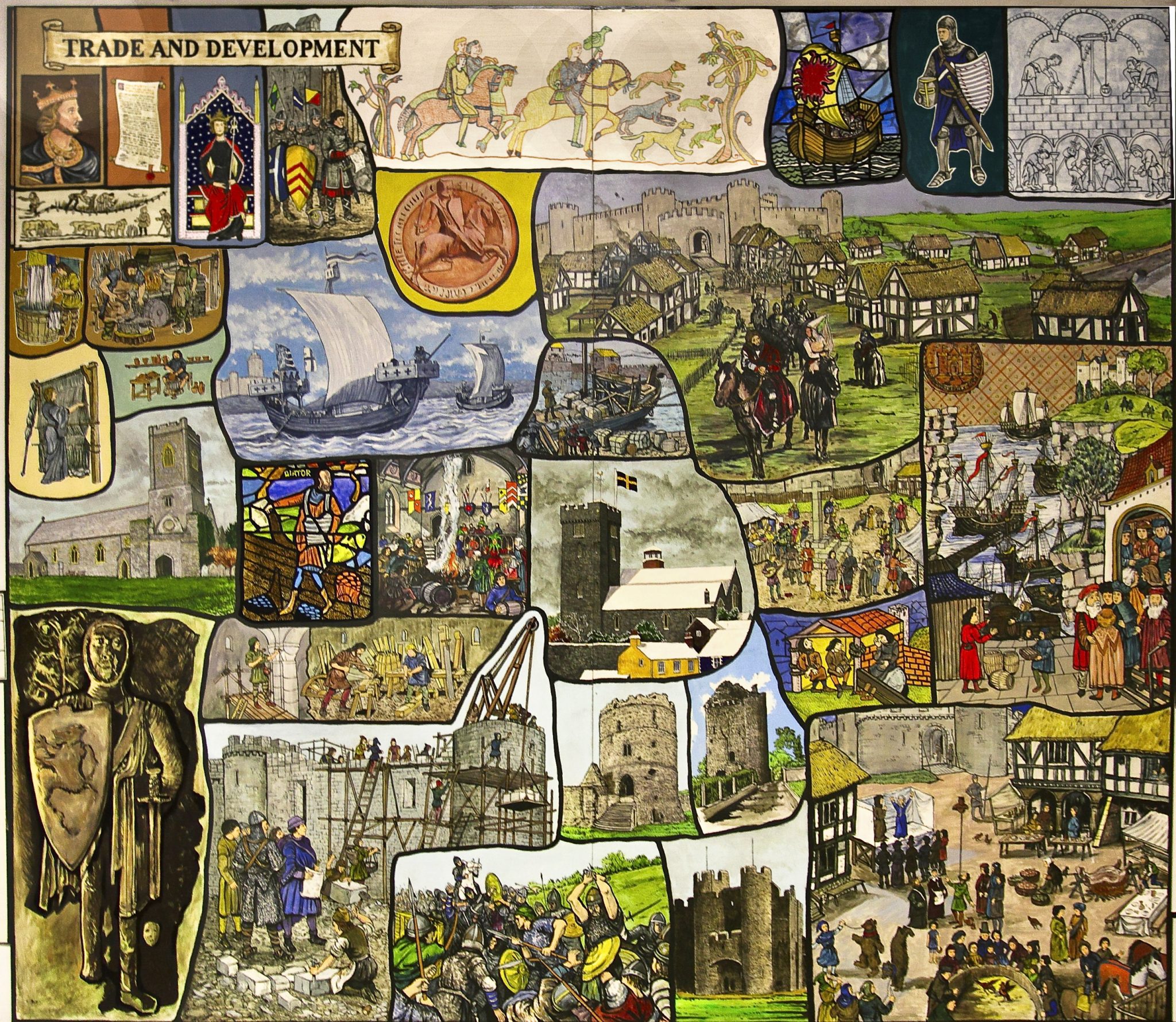
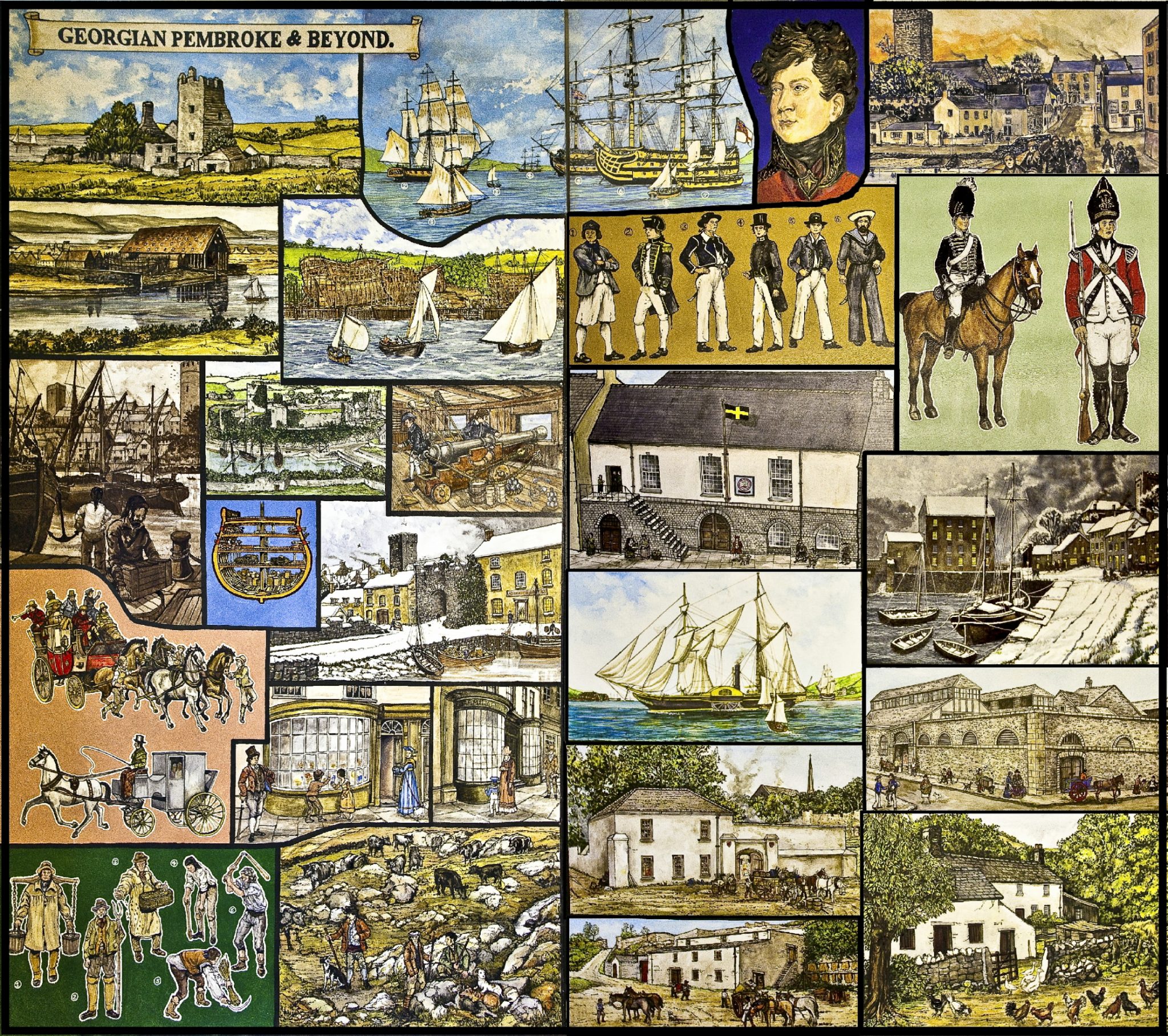
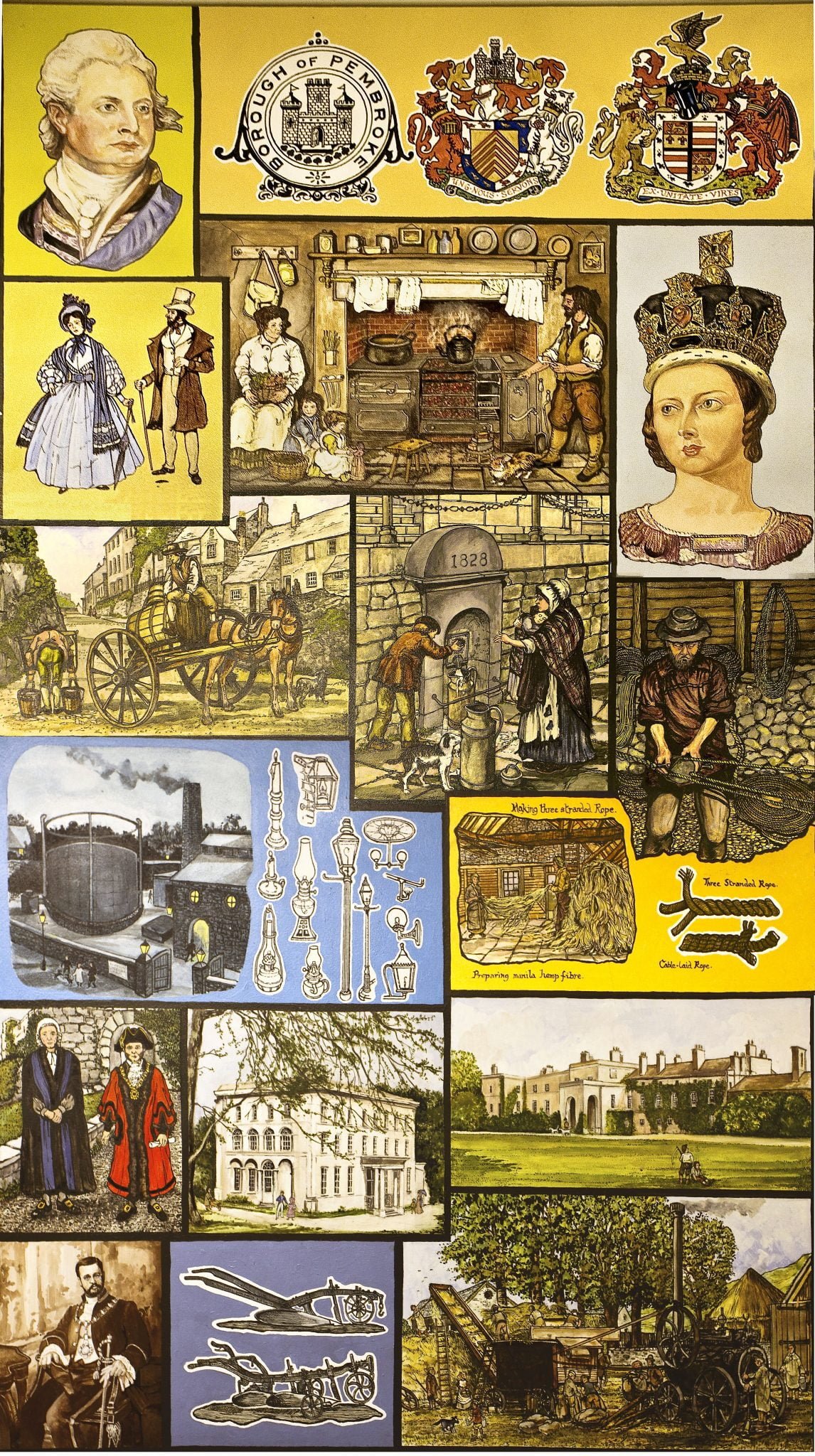
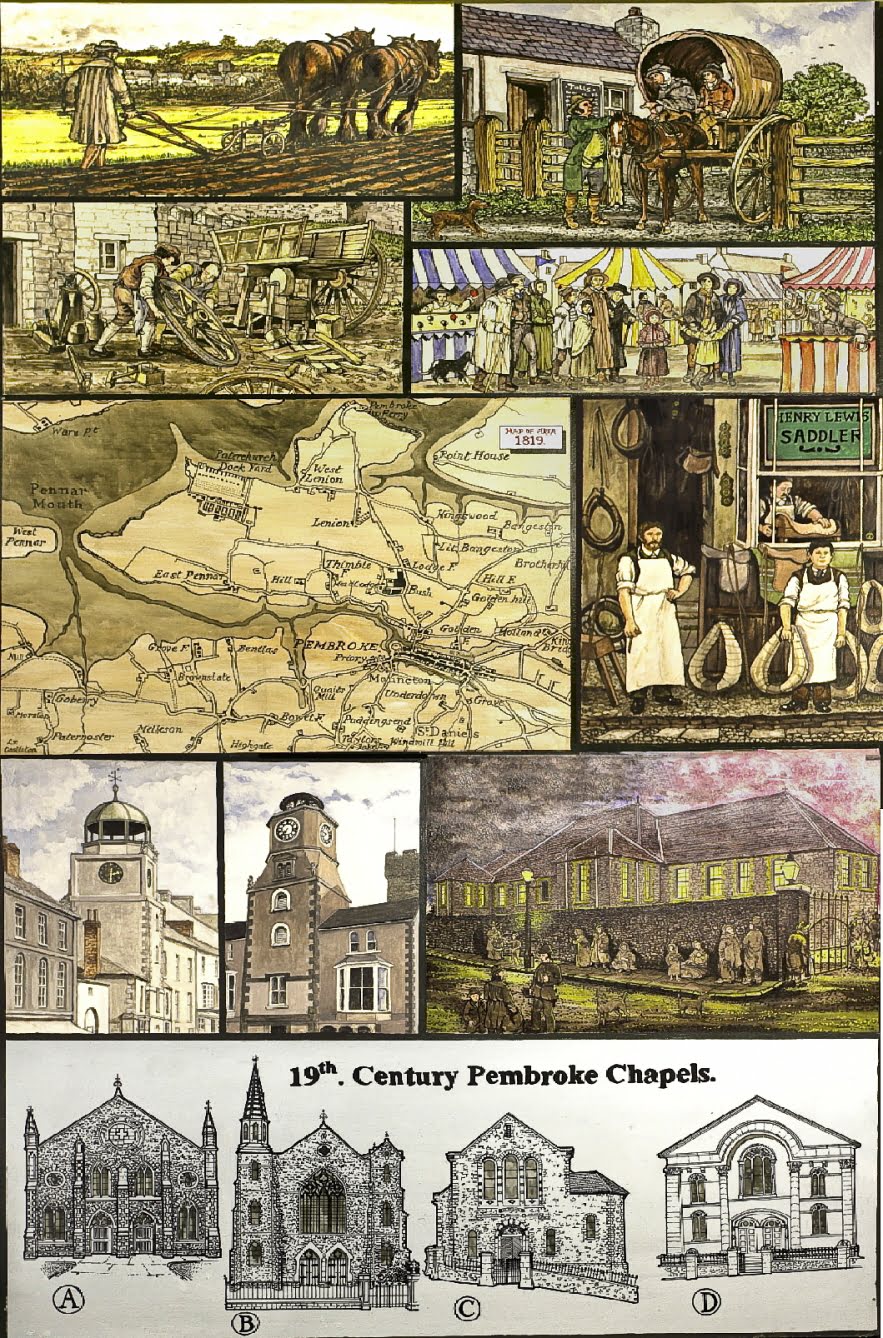
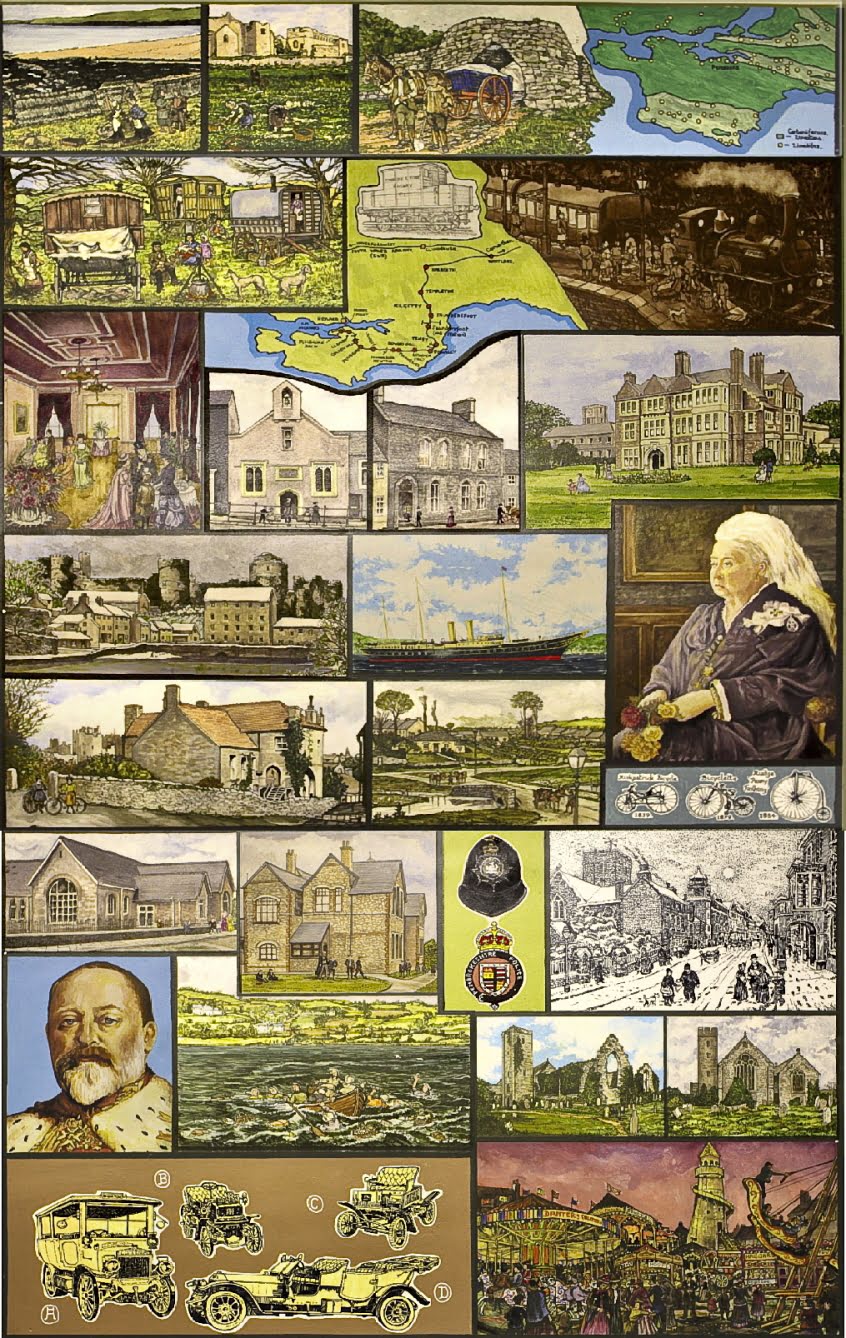
As you enter the Town Hall, you will see the amazing Pembroke Mural (see below) and you will find the Museum on the first floor (a lift is provided for disabled access). The Museum occupies the former Magistrate’s Courtroom: here you can discover the prestigious history of our town, one of the oldest in Wales and famous as the birthplace of the Tudor dynasty. Children are welcome: we have a children’s activity corner. On the first floor also, you can take a look at the Council Chamber, where the Town Council holds its monthly meetings presided over by the Mayor.
This is an independent Museum run entirely by volunteers. Entry is free – donations are welcome.
New exhibitions for 2026!

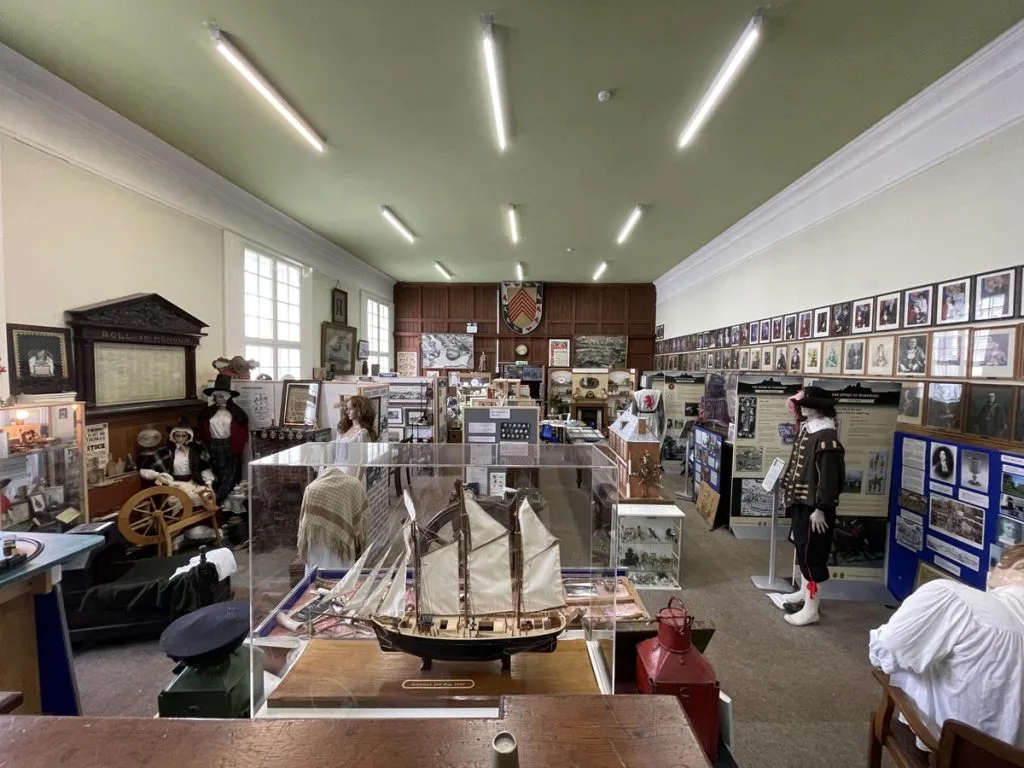
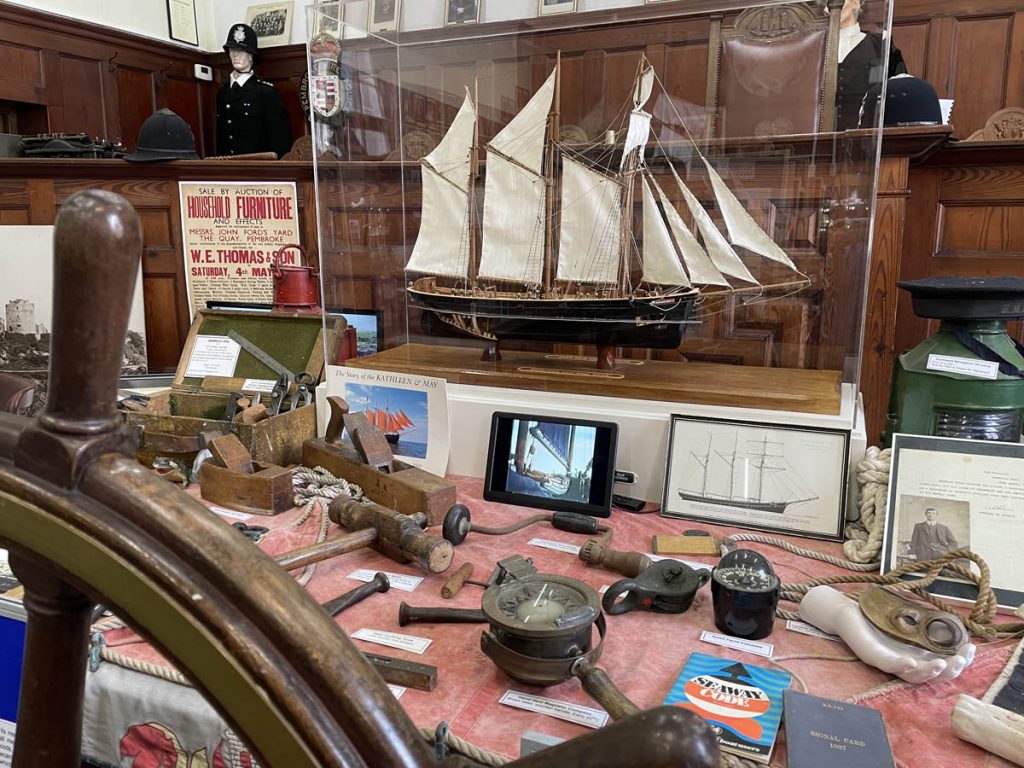
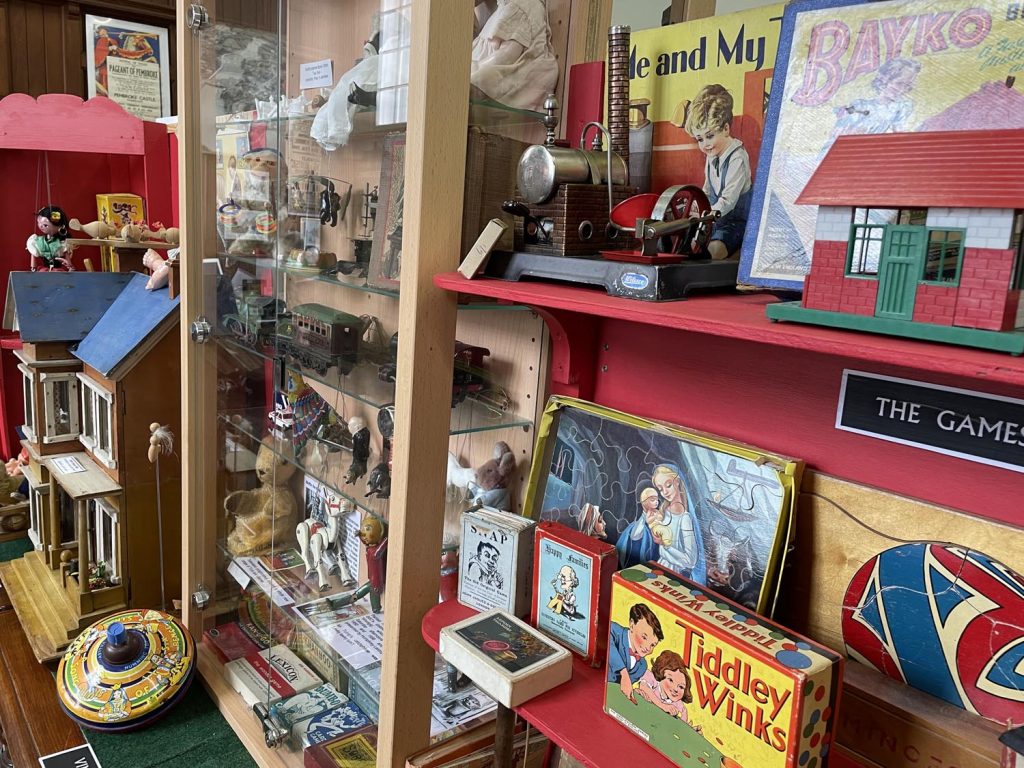
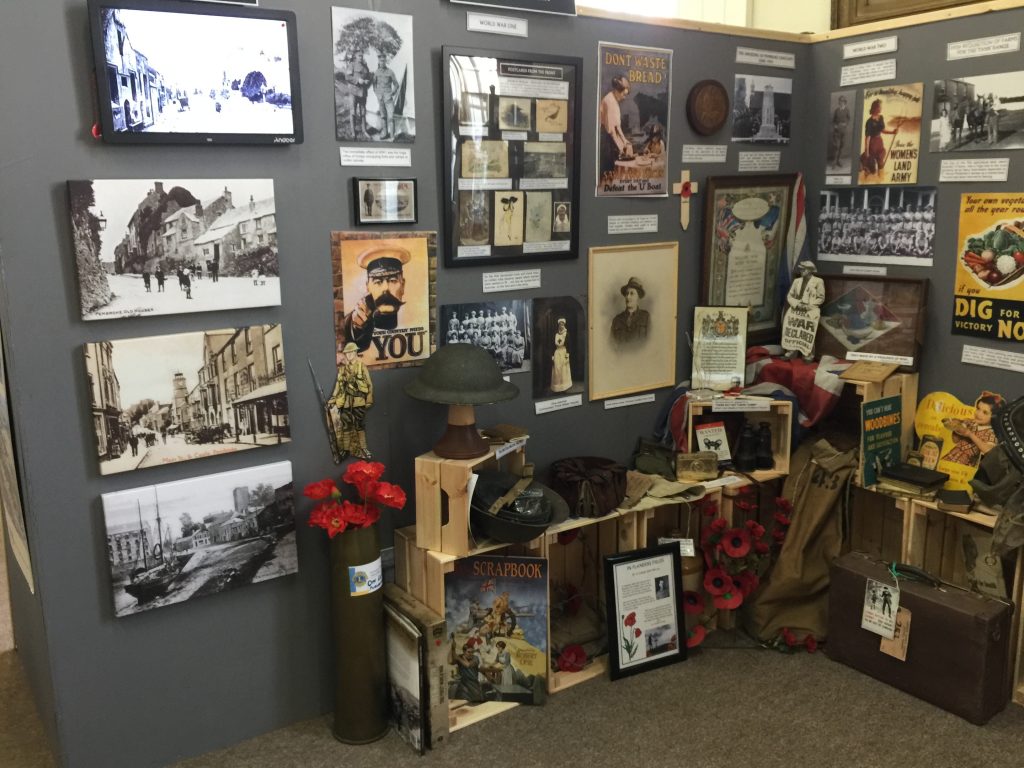




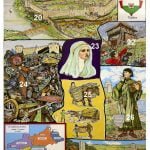
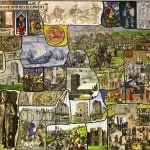
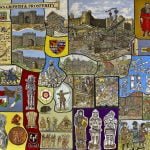
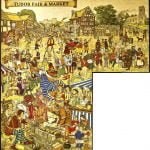
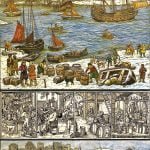
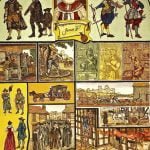
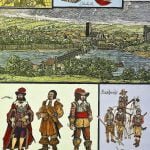
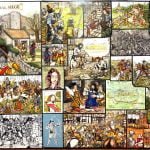
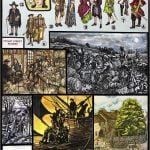
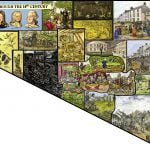
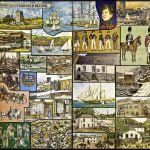
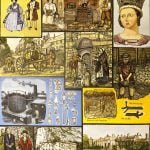
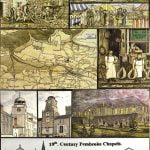
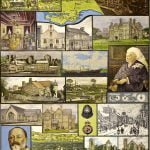
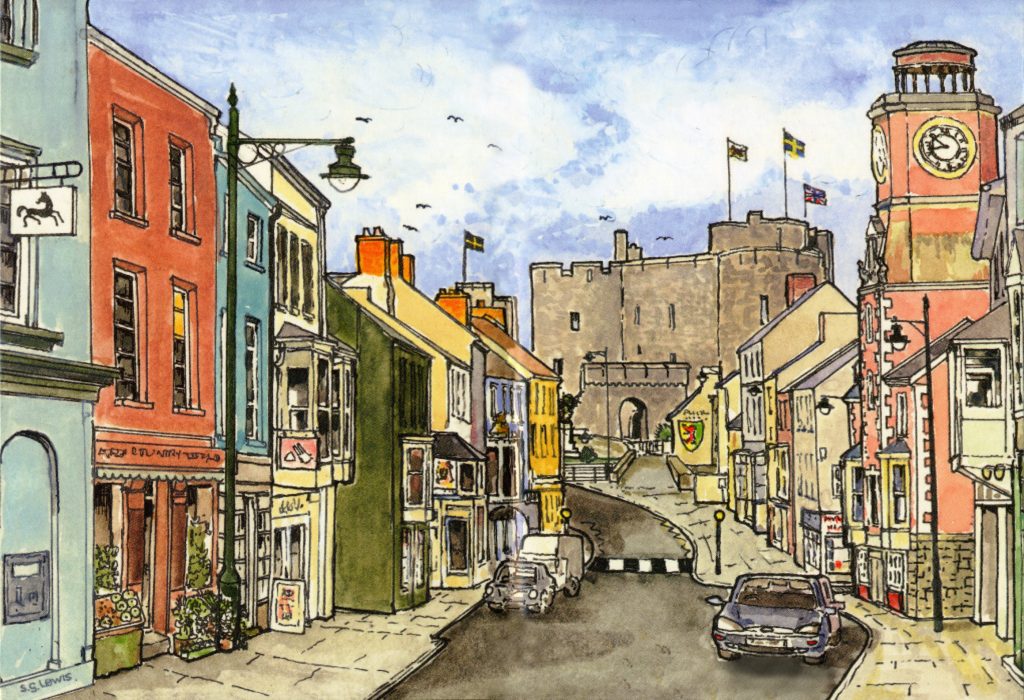
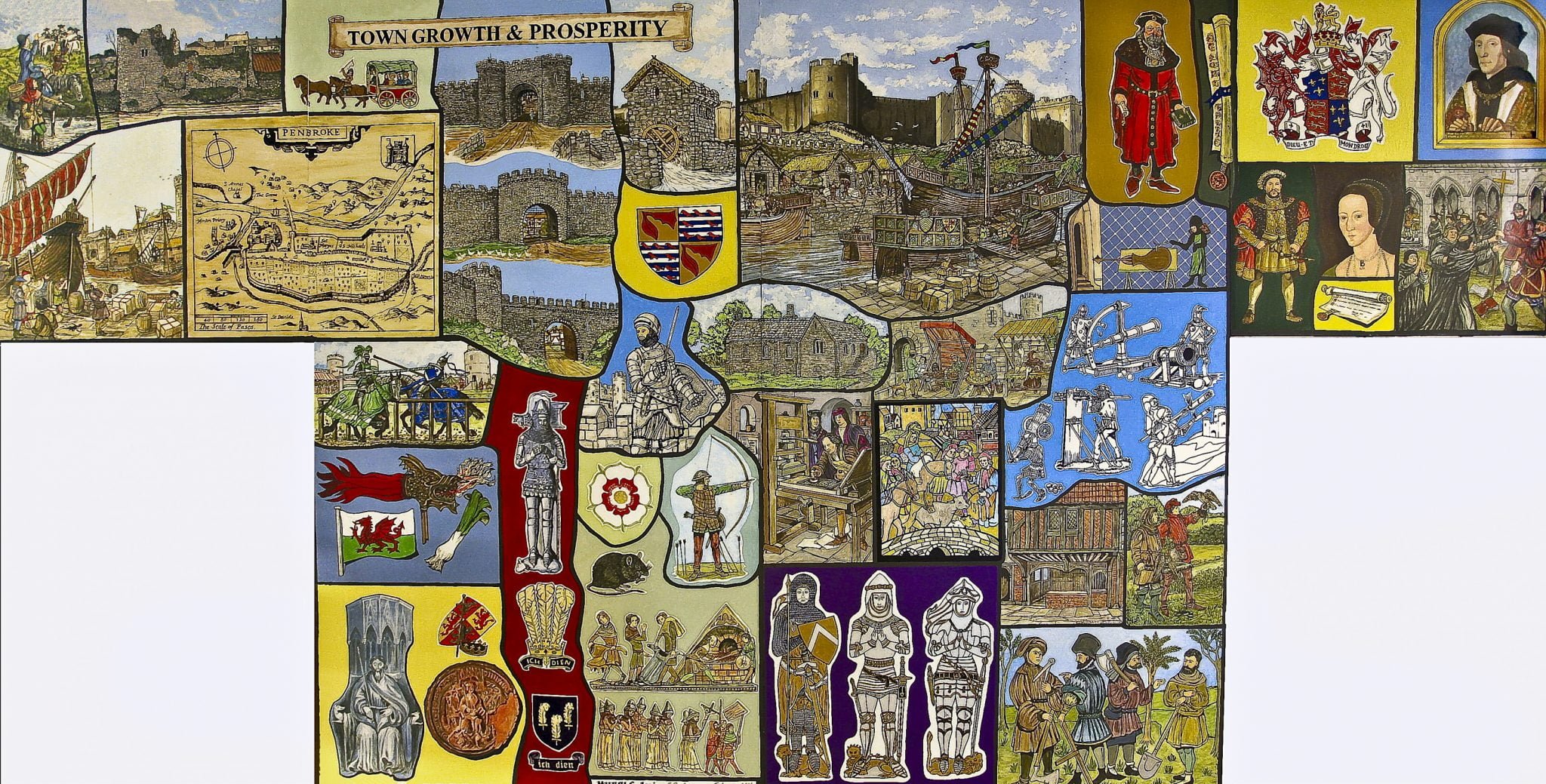
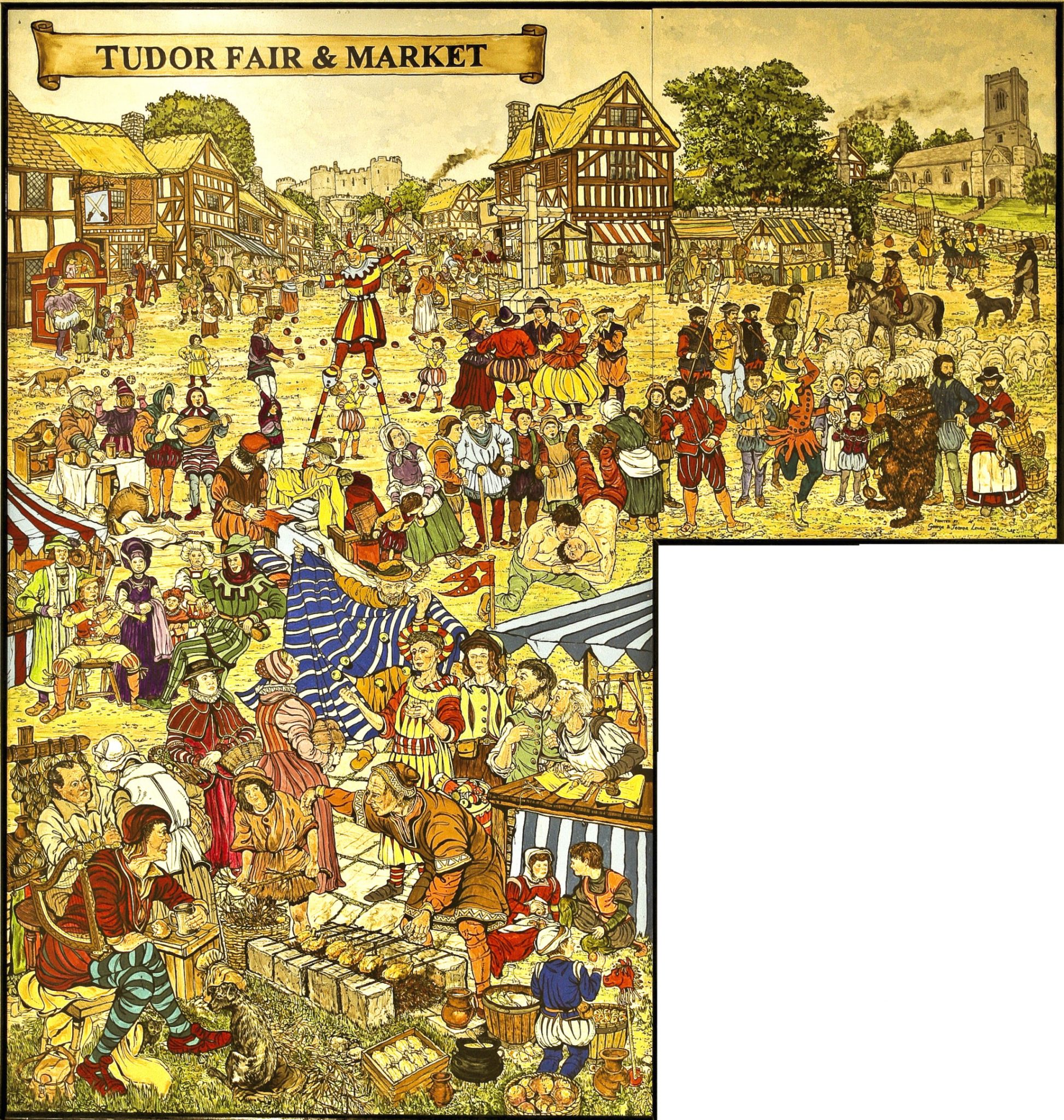
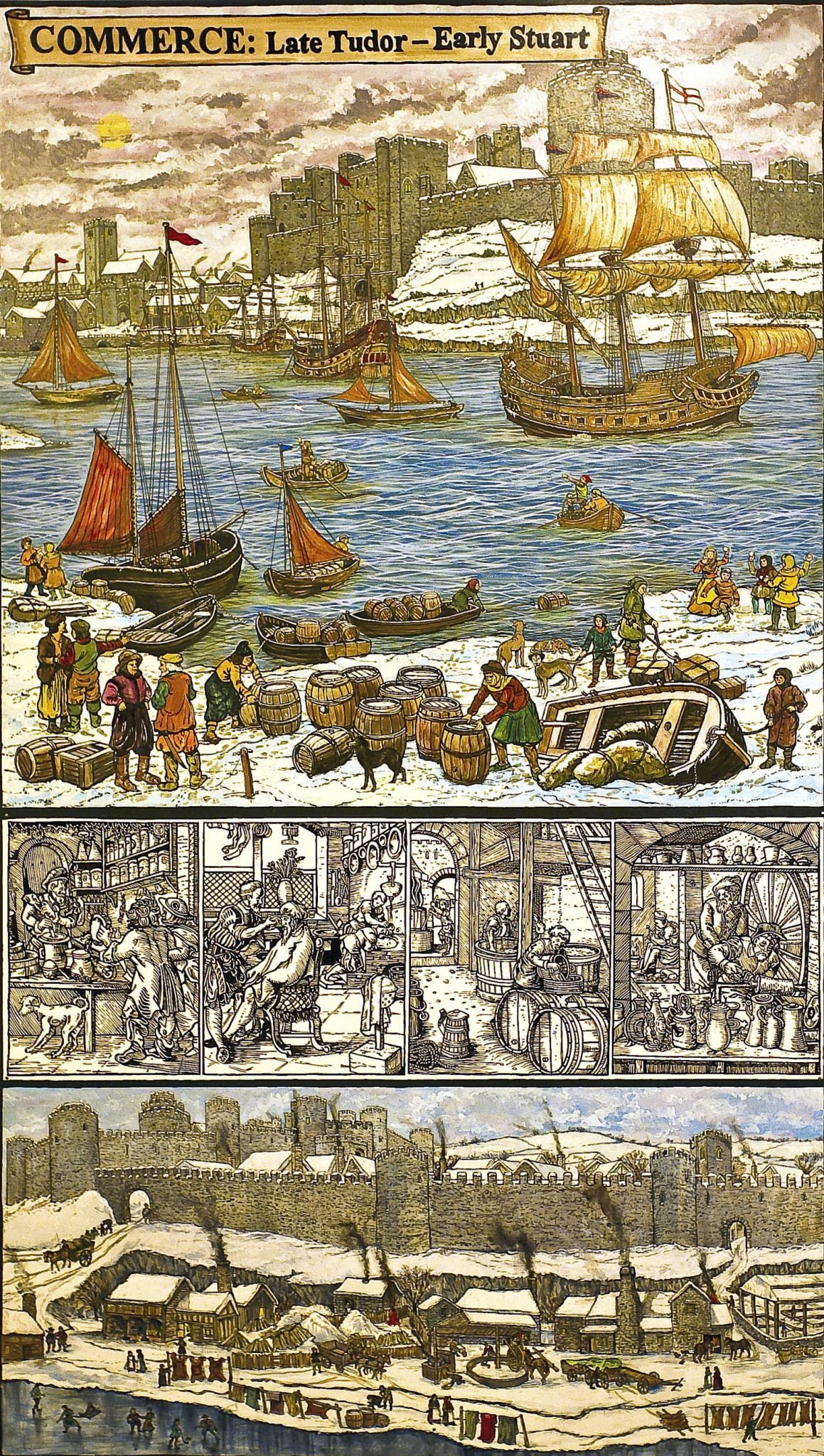
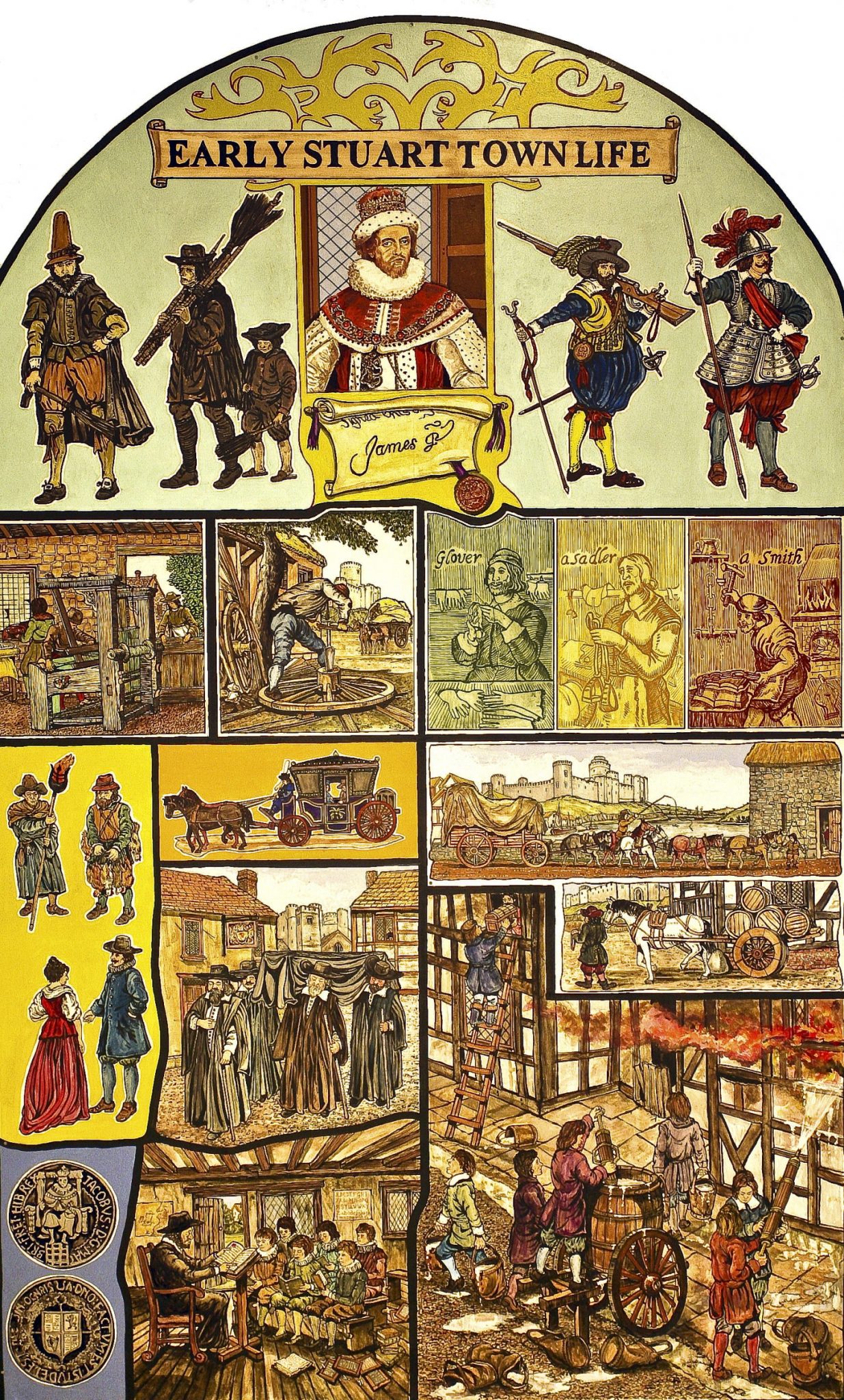
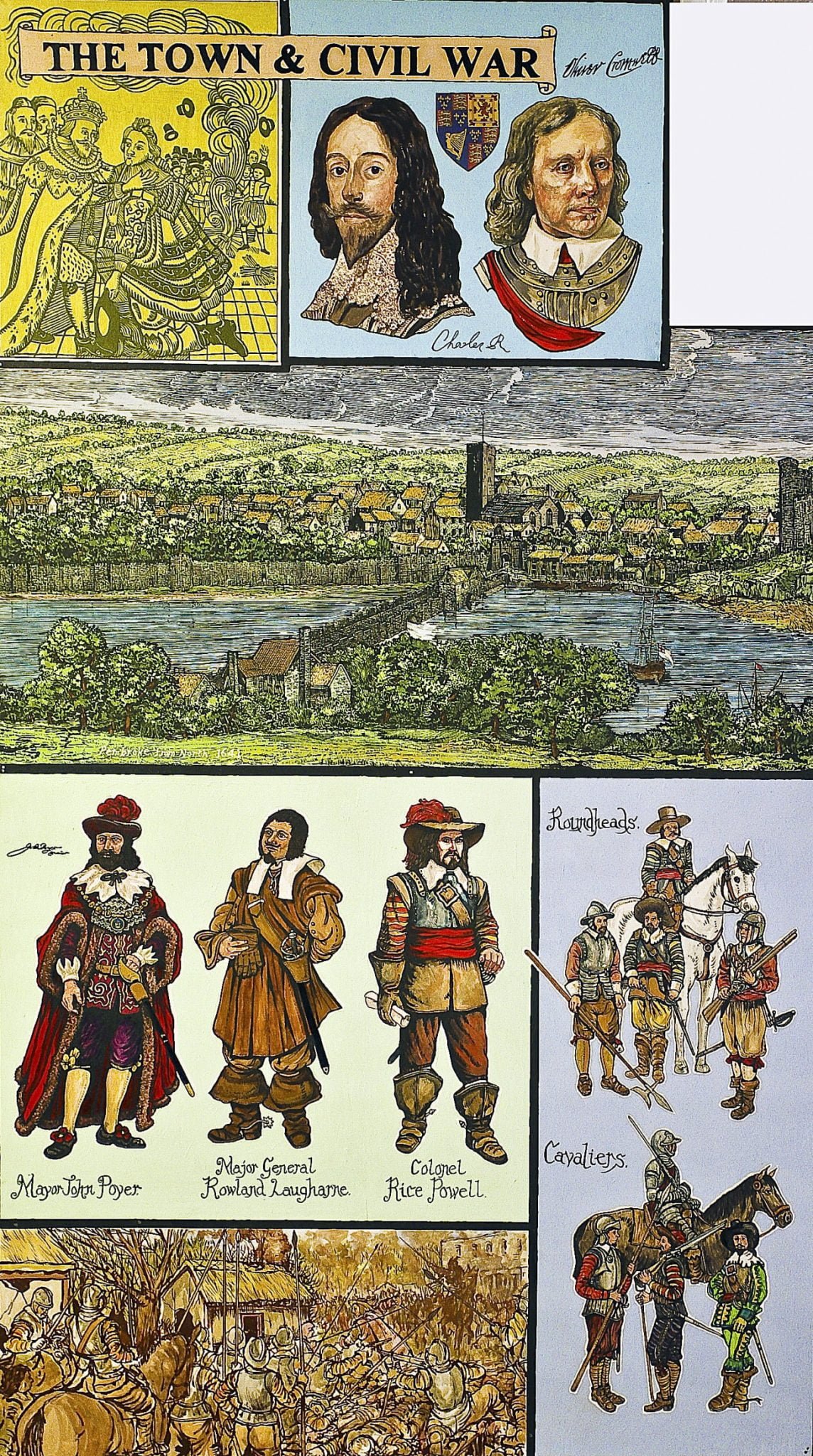
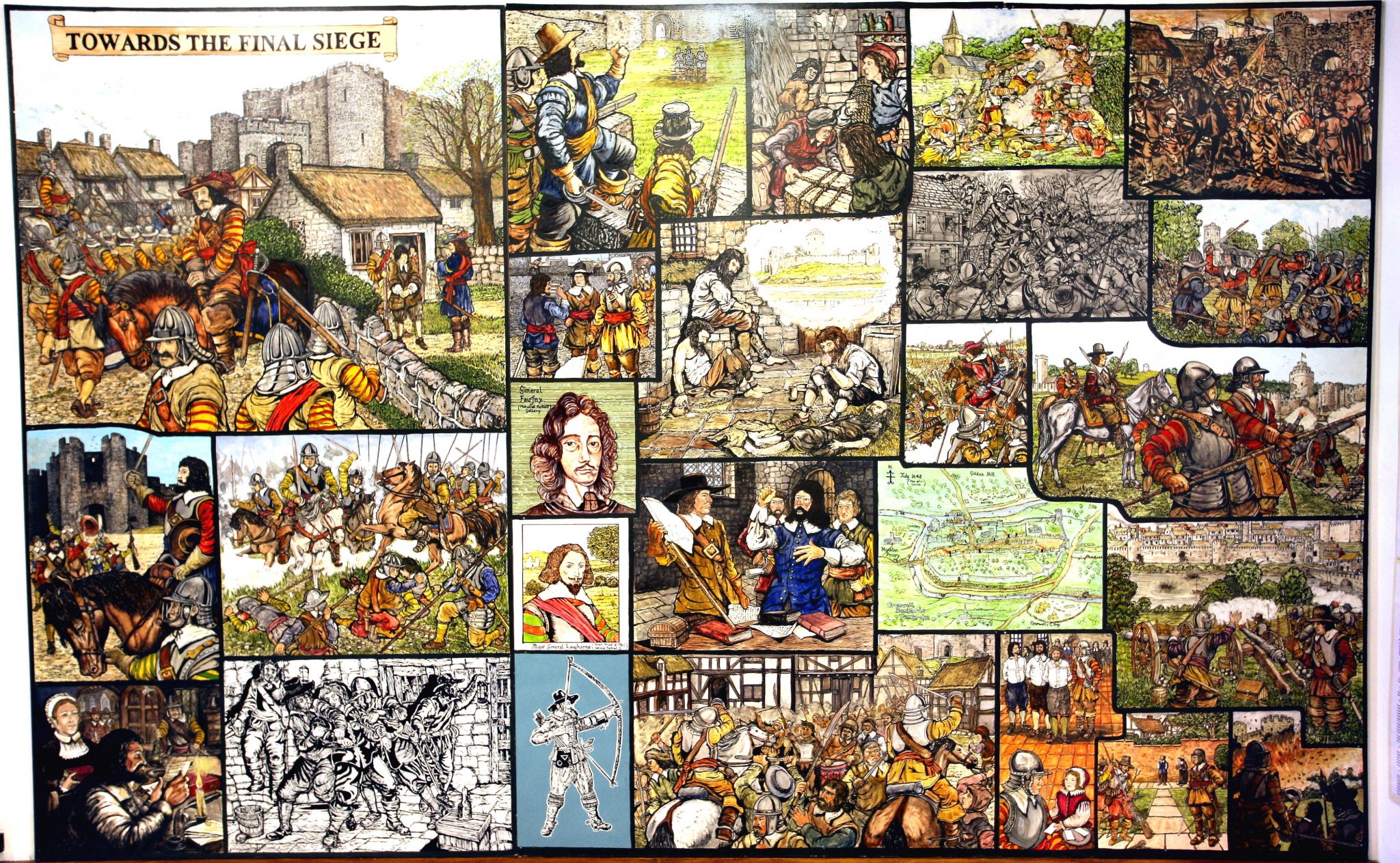
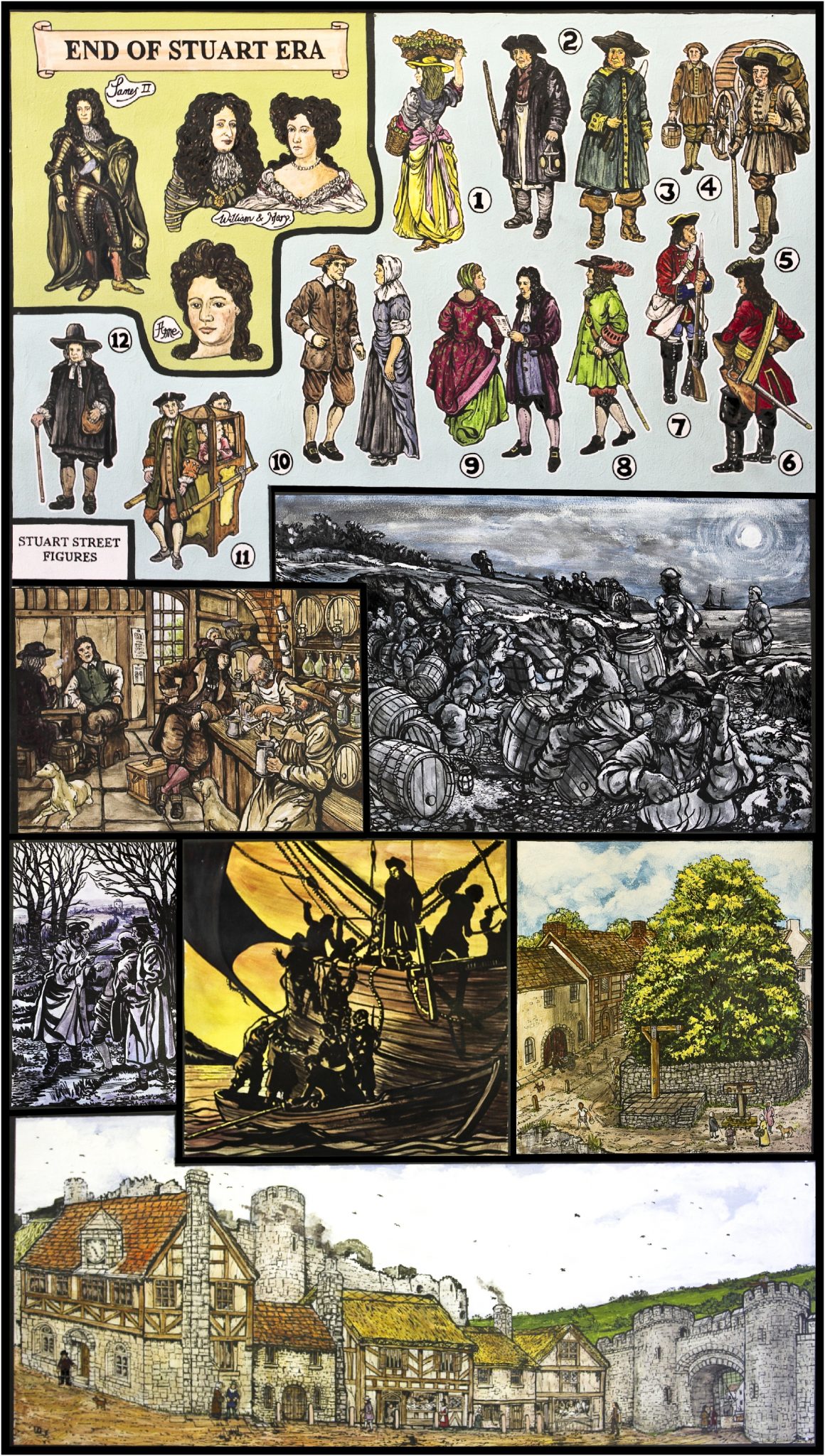
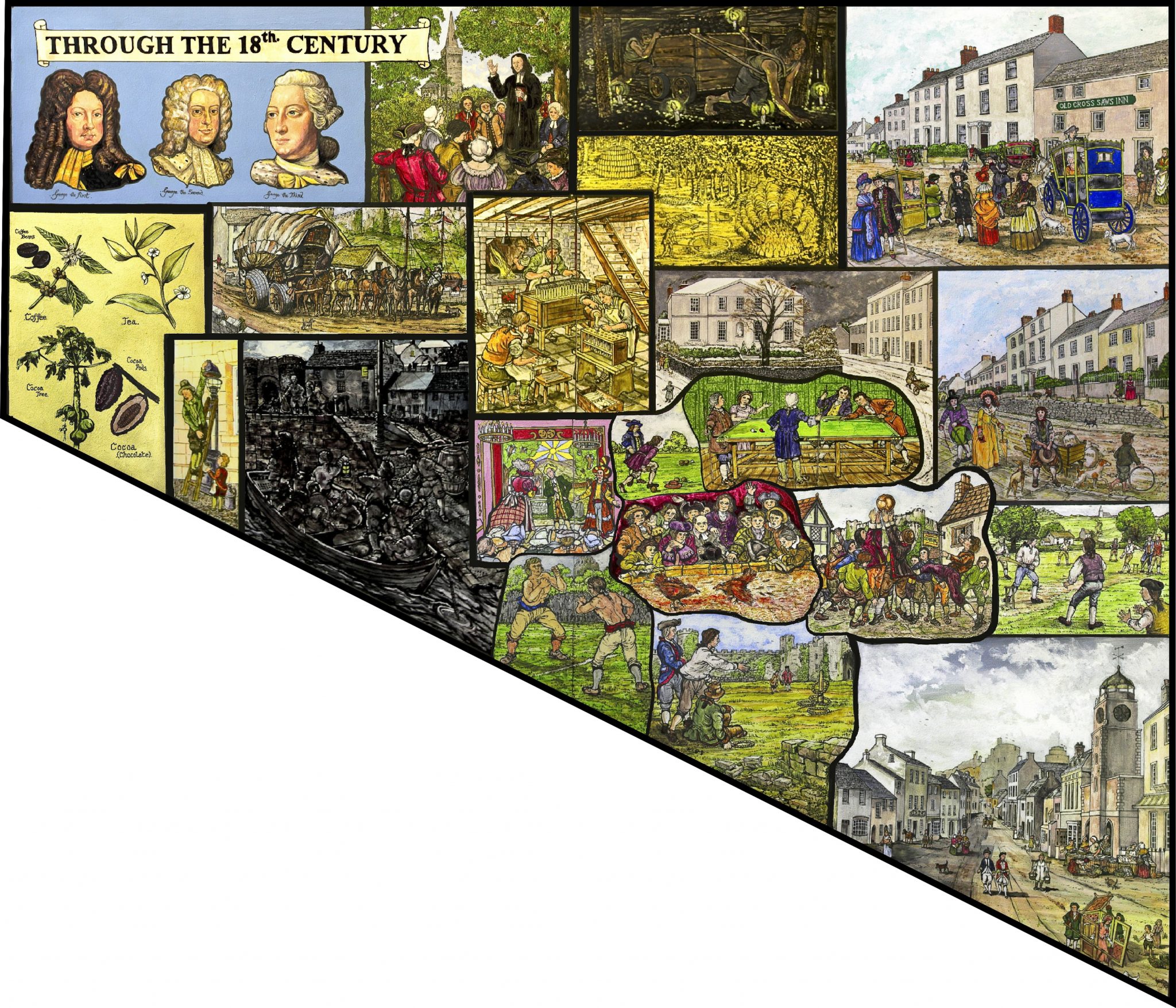
Pembroke Town Hall Murals
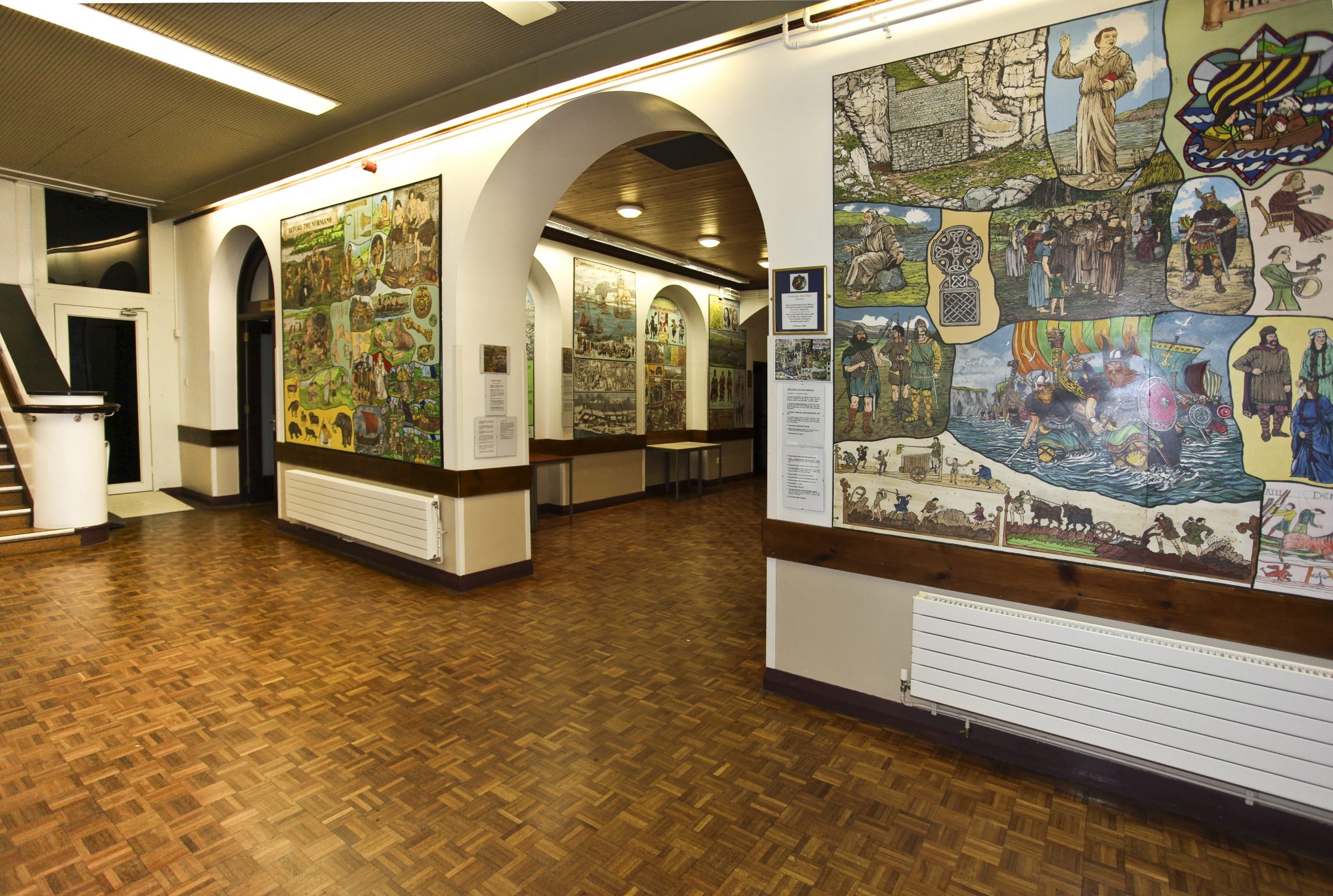
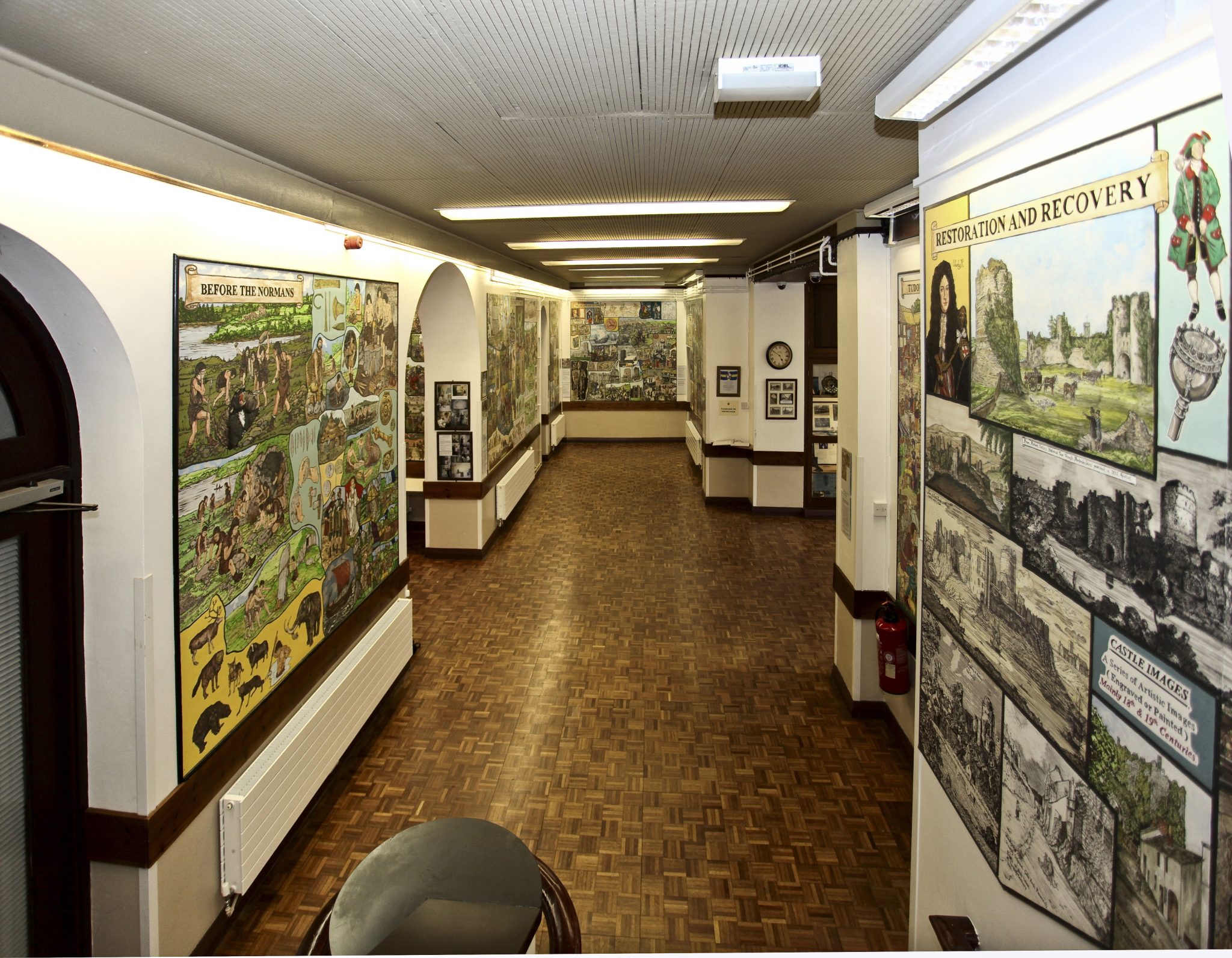
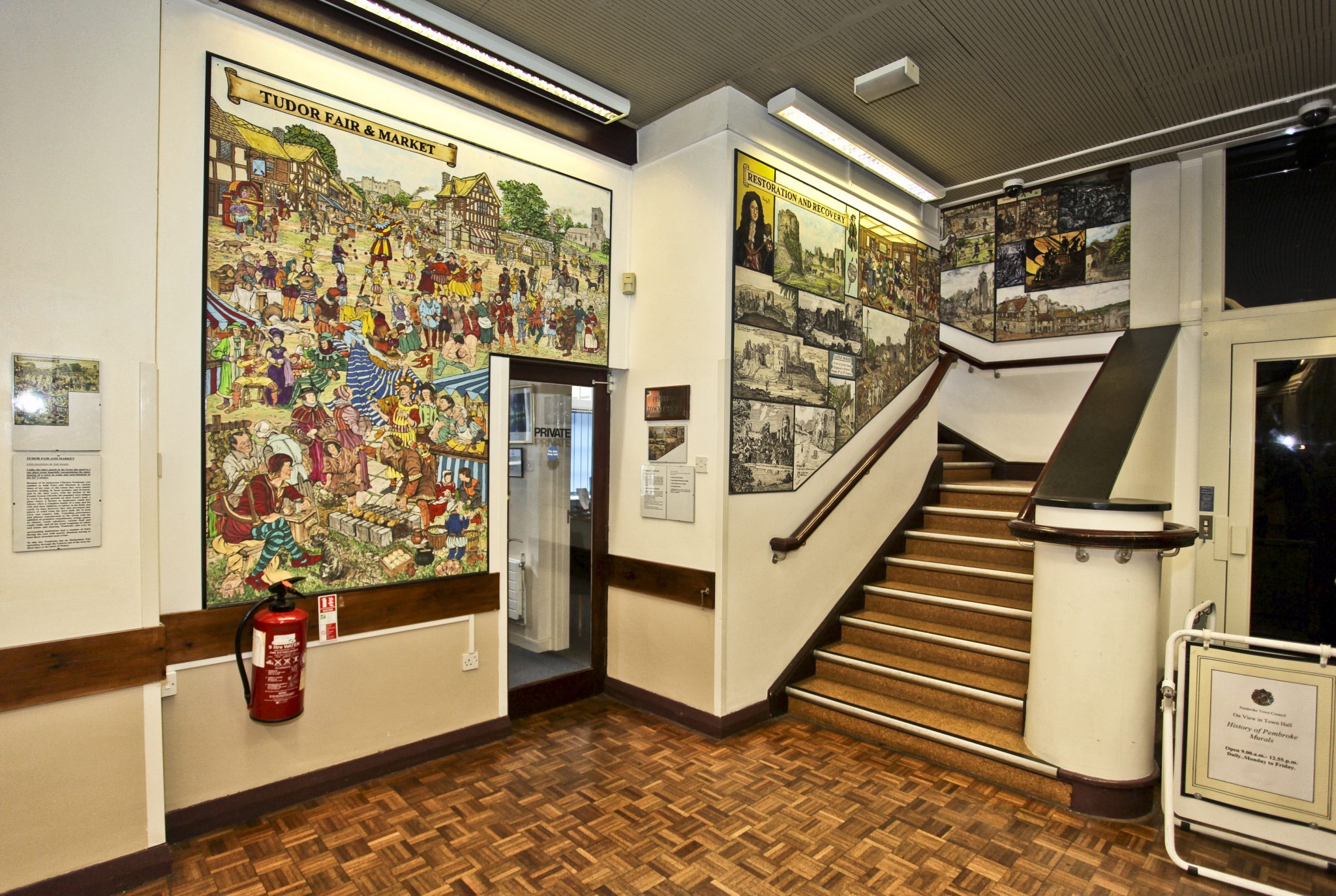
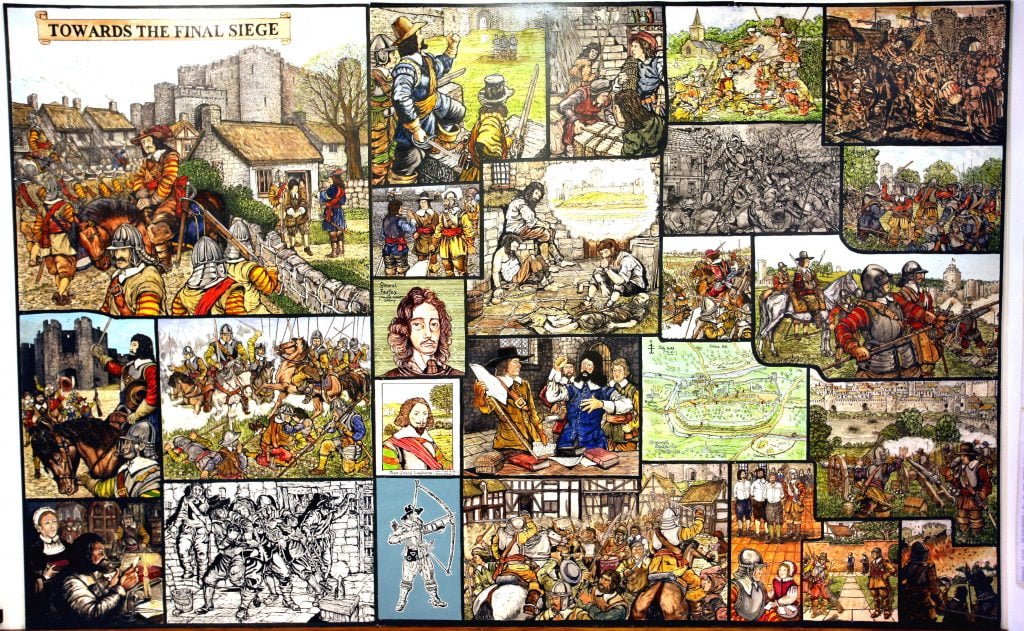
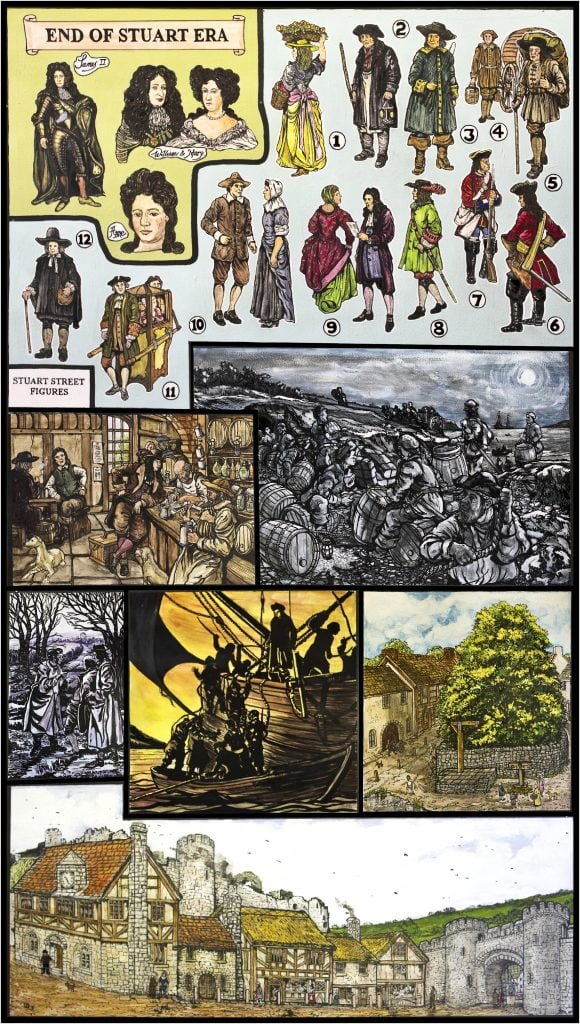
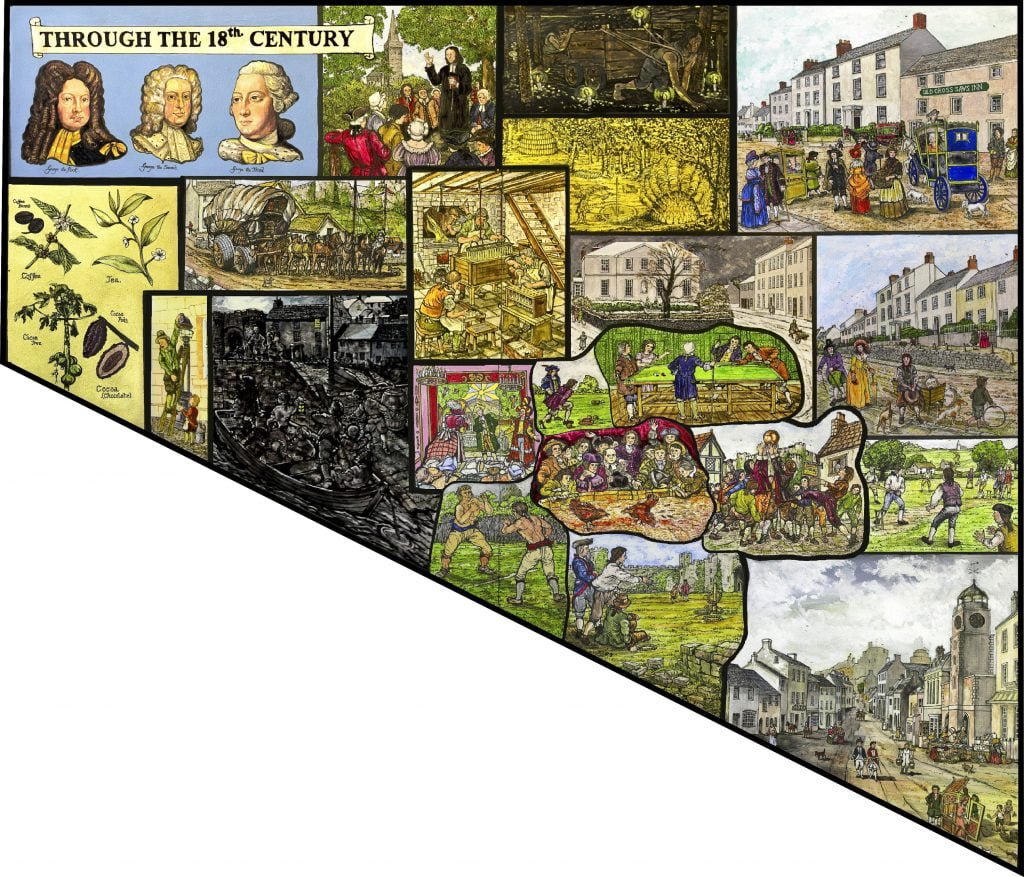
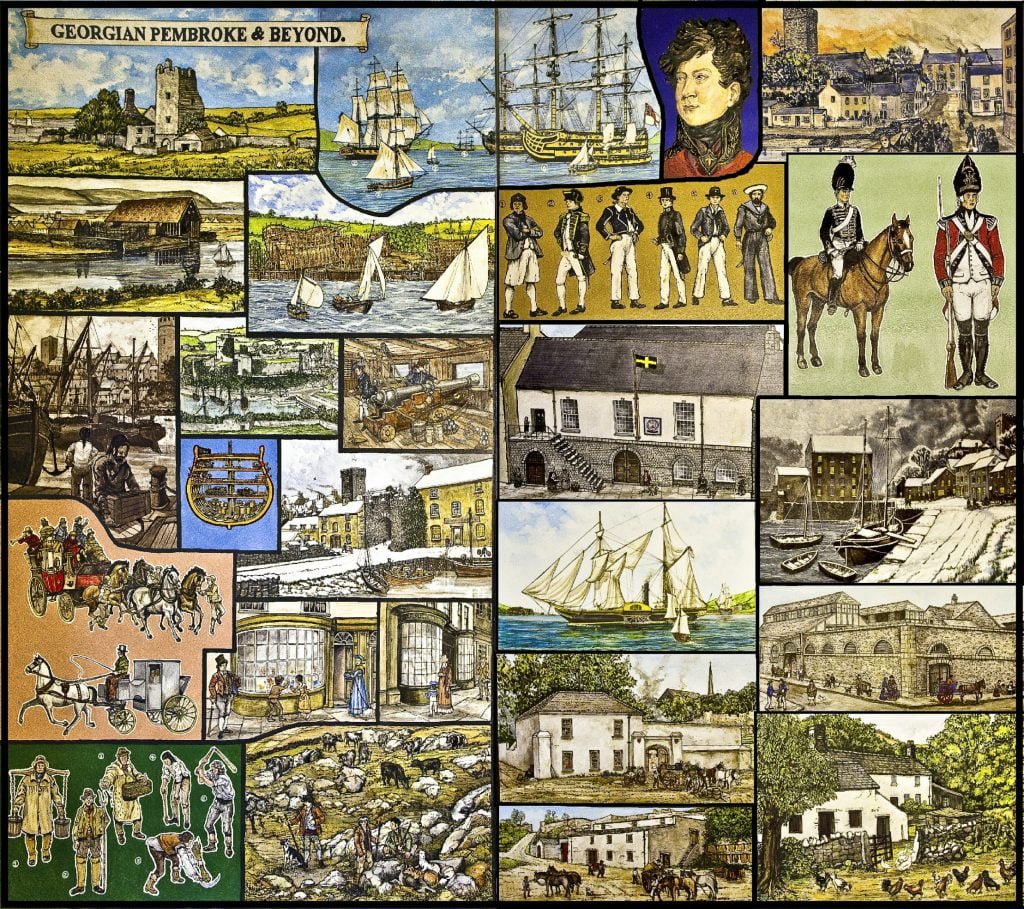
The Pembroke Murals are a series of wall panels painted by husband and wife team, George and Jeanne Lewis of Pembroke.
The Murals depict notable events, scenes and people in Pembroke during its development and history from the Stone Age to early 20th Century, are on permanent display in the foyer and upper landing of Pembroke Town Hall.
The Pembroke Murals are proving to be a prominent tourist attraction.
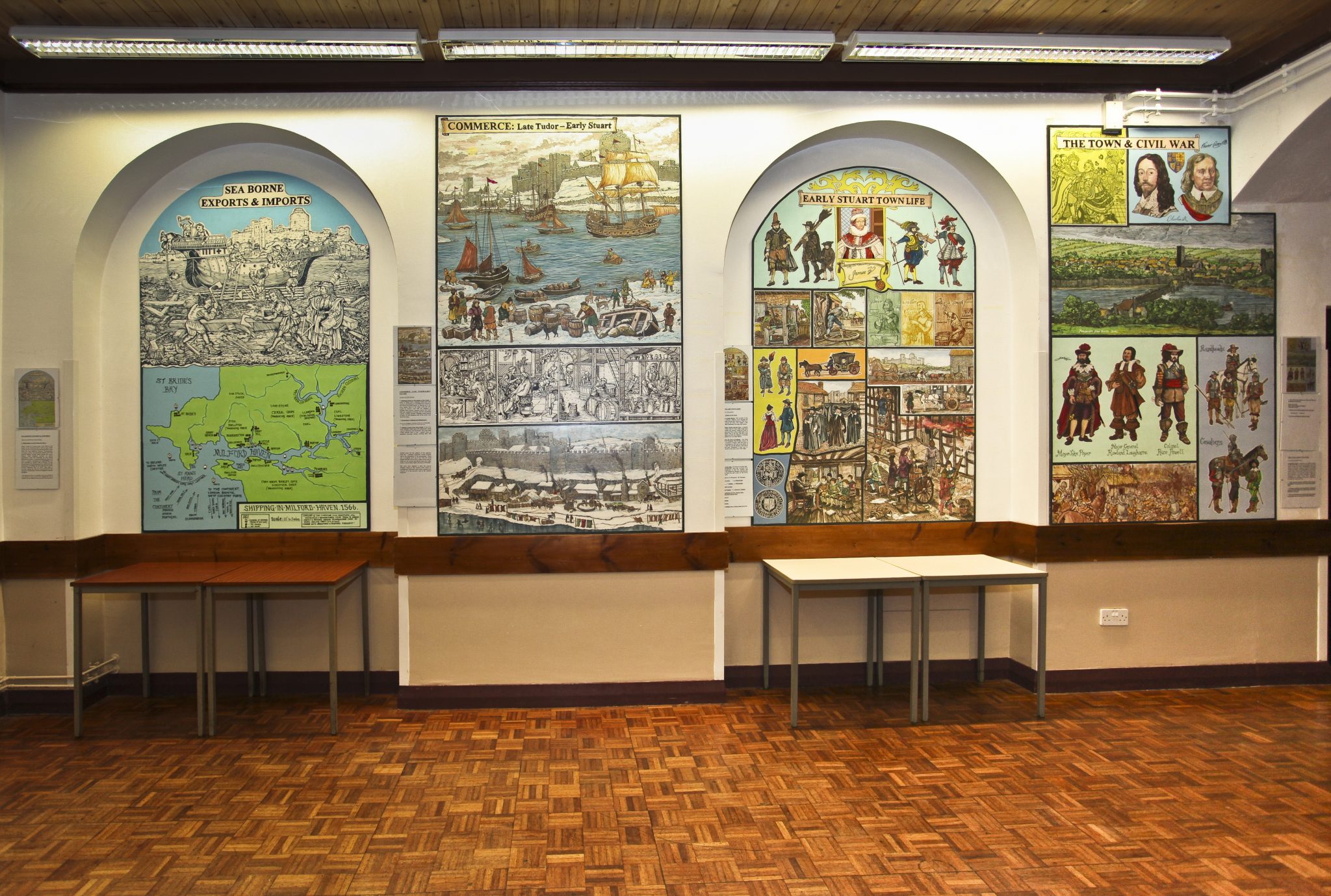
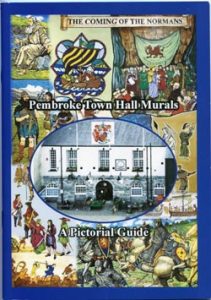
The Guide is also available at Pembroke Town Hall and can be purchased for £1.

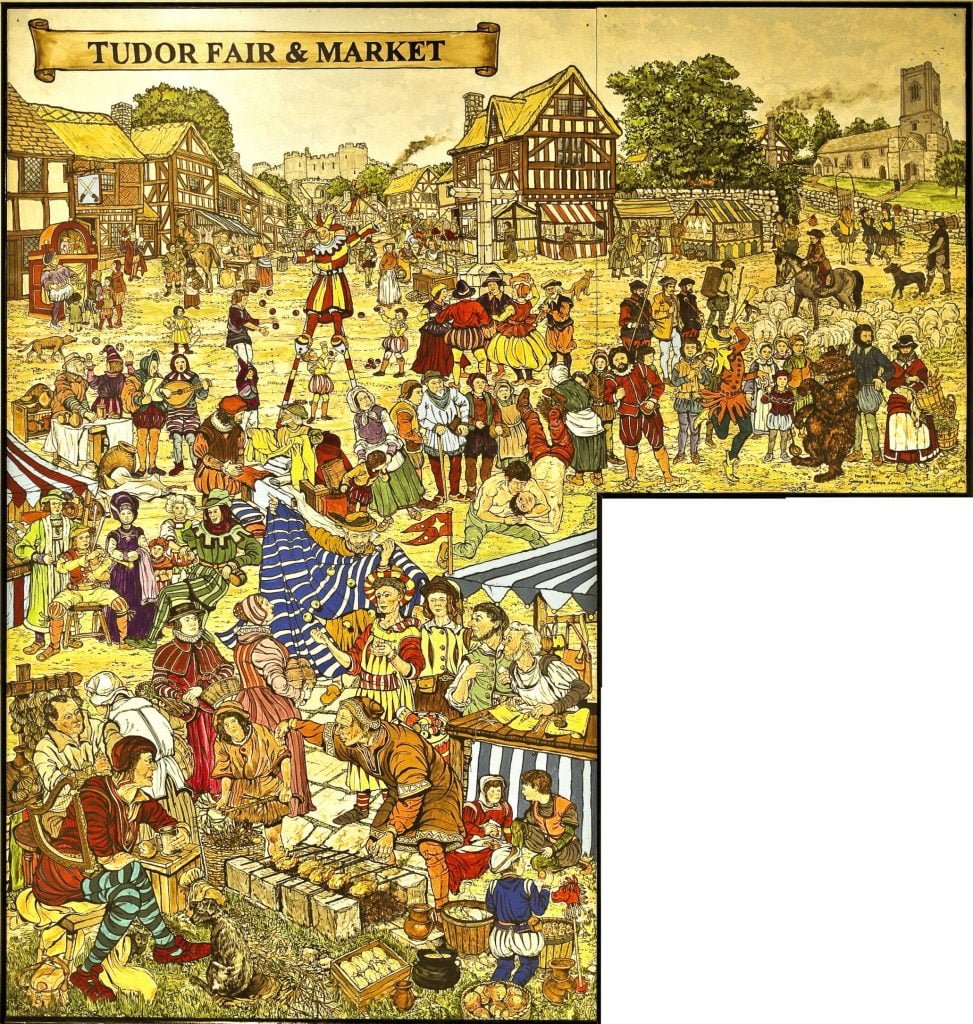
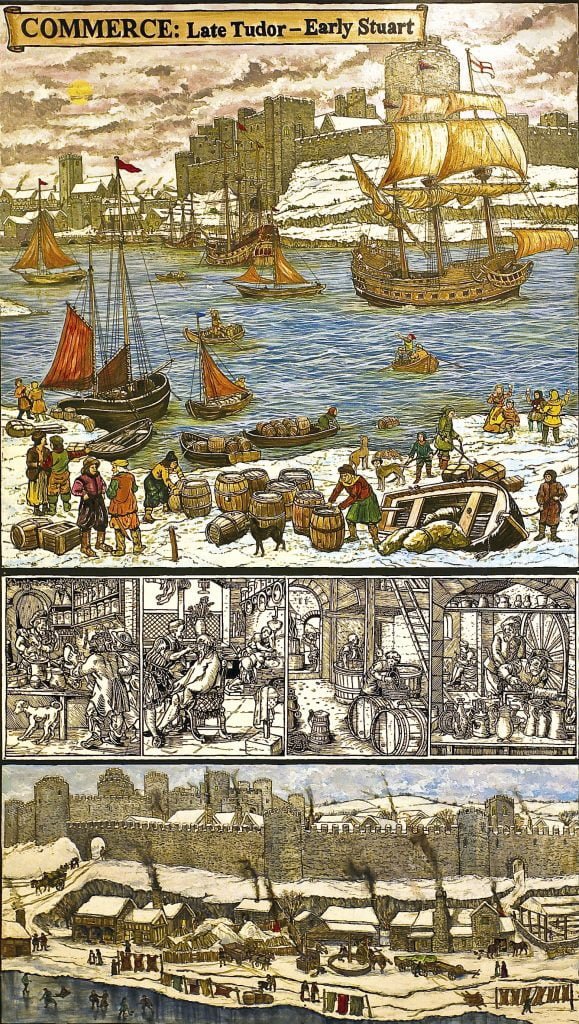
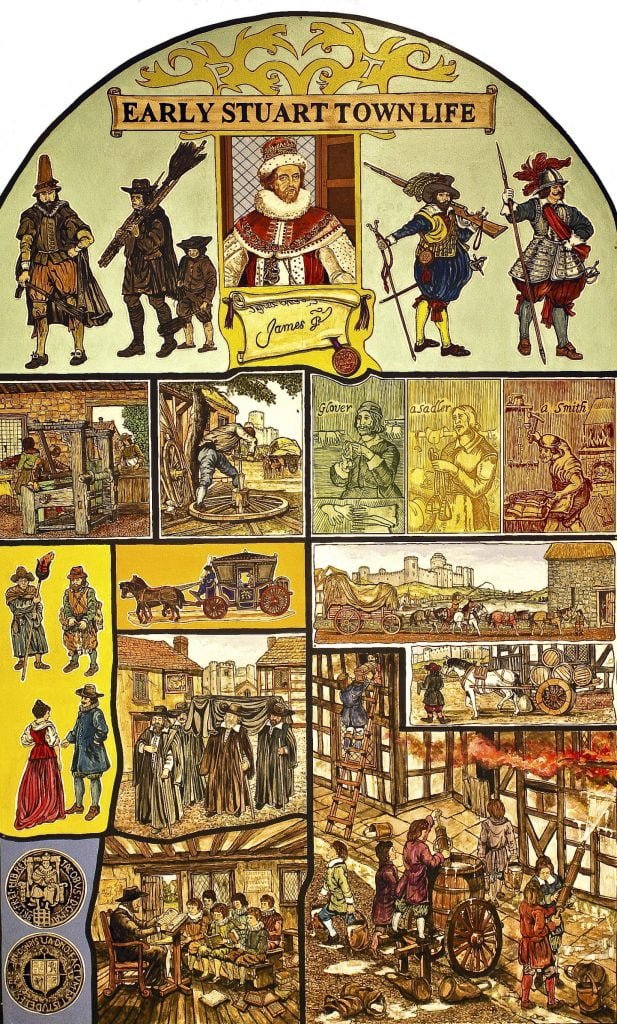
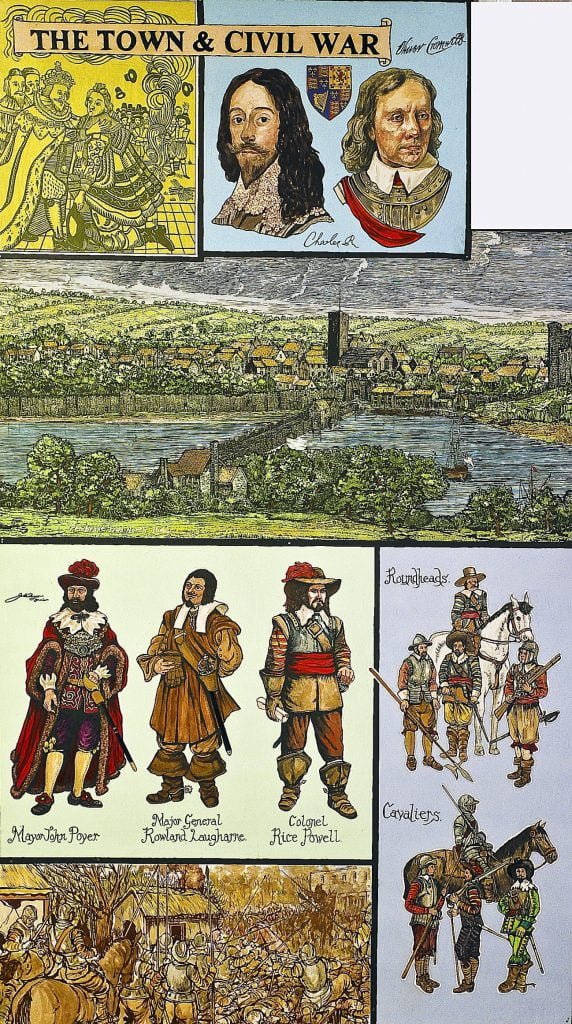

Pembroke Town Trail
Find out more about historic Pembroke by following the Town Trail which begins at Pembroke Town Hall and is marked out in 30 bronze plaques set into the pavements along the route. The attractive Town Trail booklet with fold out map can be obtained from the Town Hall and costs just £1.50. (All proceeds in support of Pembroke Museum). You can also follow the Trail digitally by scanning the plaques bearing QR codes sited around the town. As an added plus, the digital Trail is bi-lingual in Welsh and English. To find our more, go to https://www.pembroketowntrail.wales
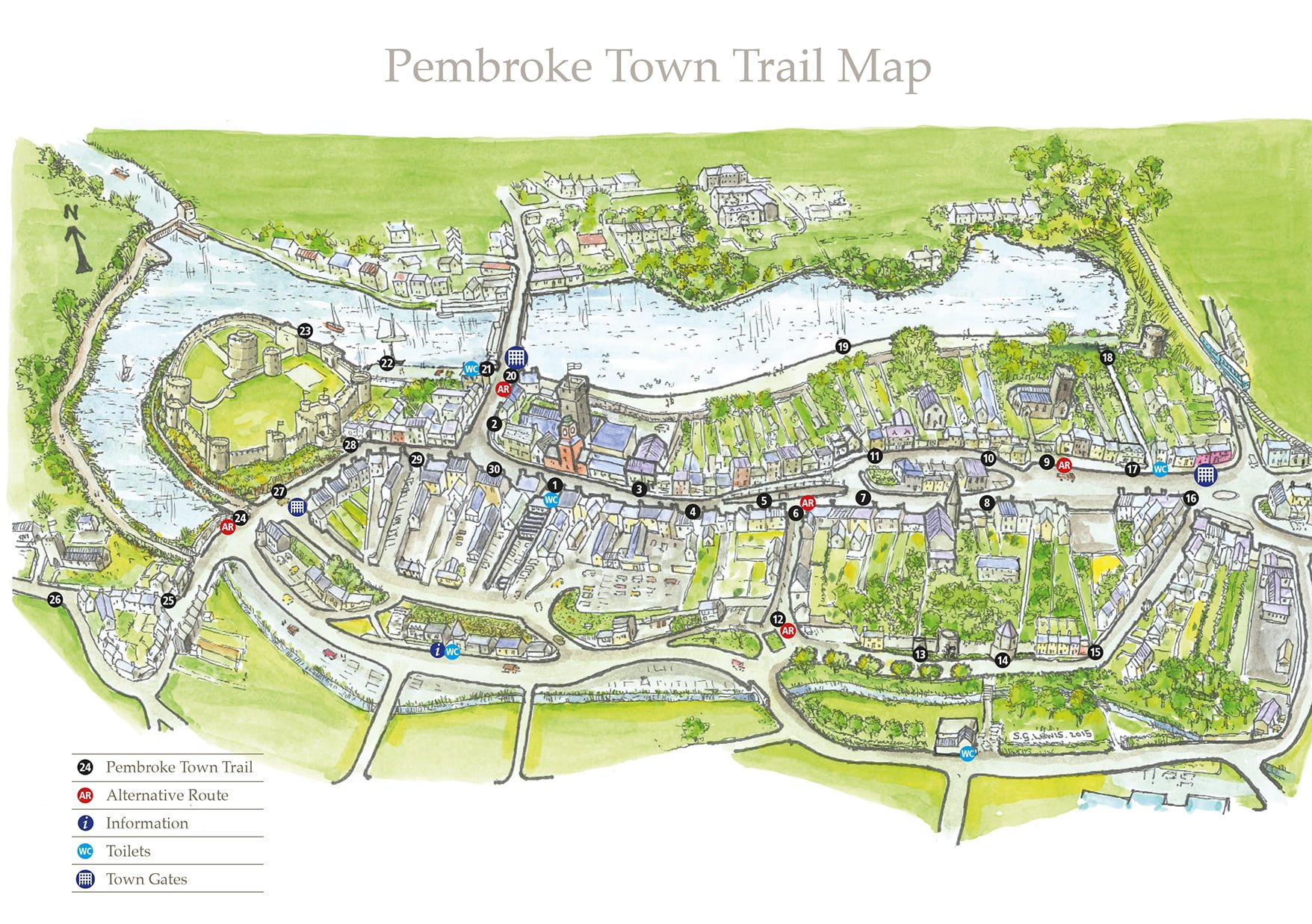


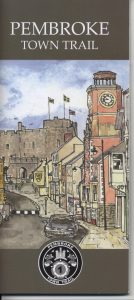
The illustrated Town Trail Booklet with fold out map is available to buy at the Museum, TIC, Castle and various outlets in the town for just £1.50









News & Links
Pembroke Heritage
Pembroke Heritage
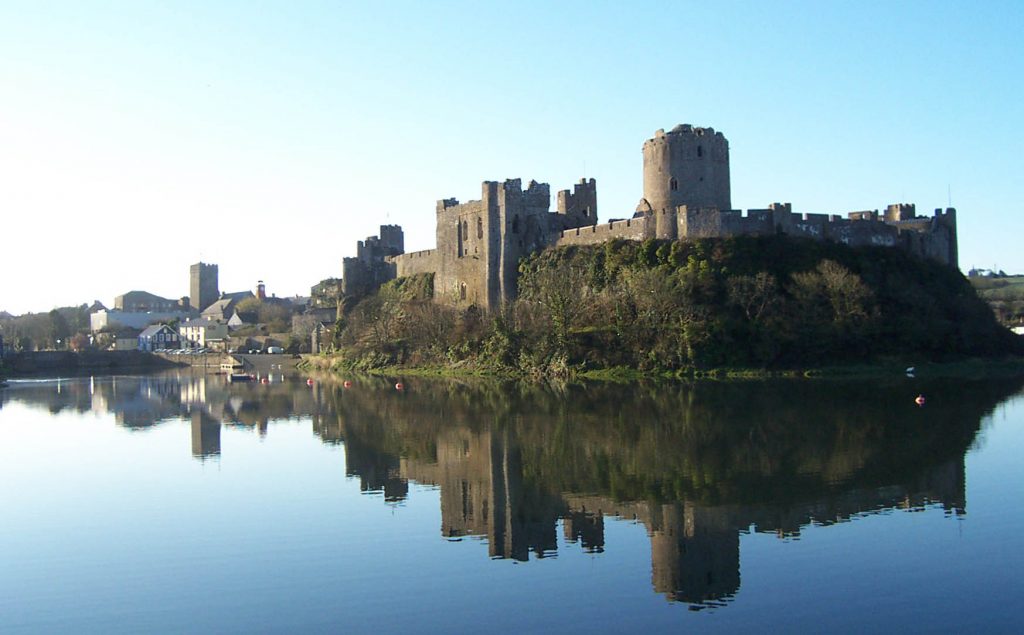
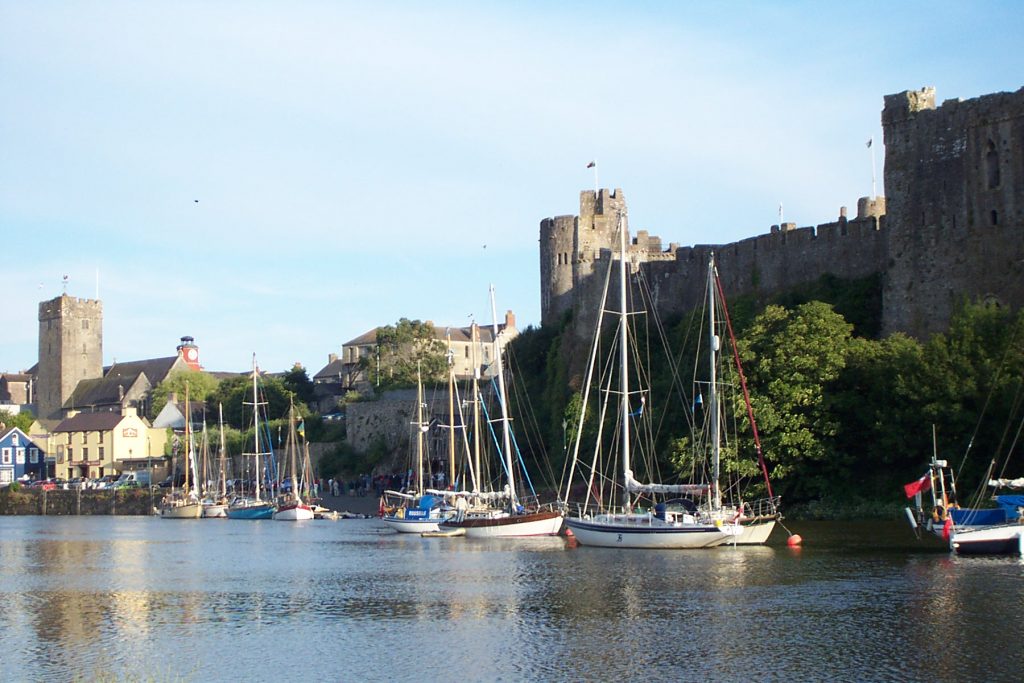
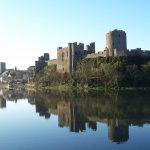
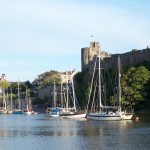
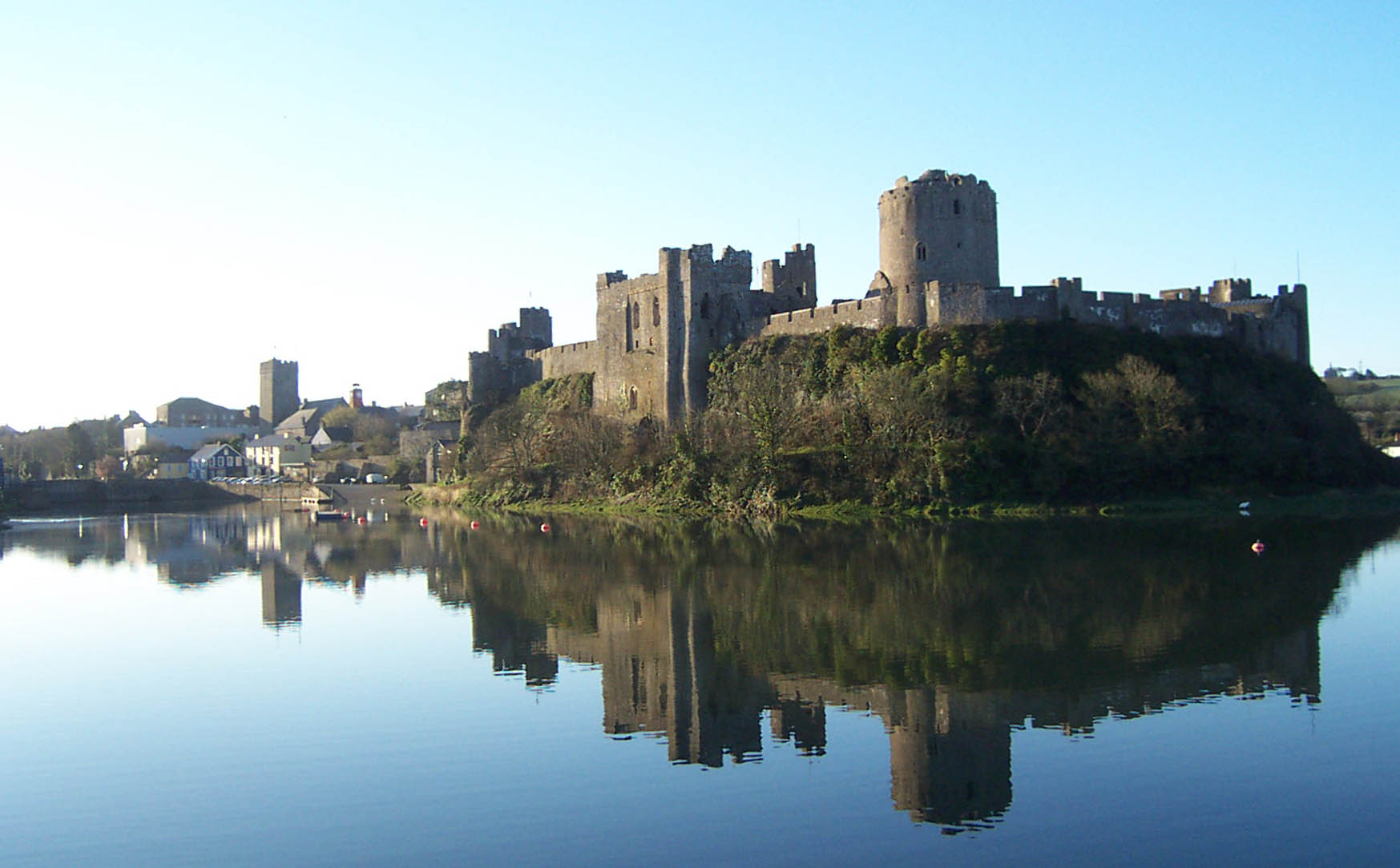
The town of Pembroke can trace its origins to 900 years ago when, in 1093, Arnulf de Montgomery arrived with a force of conquering Normans and erected a wooden fortification on the spot where the castle now stands. He also founded the Benedictine Priory of Monkton in 1098 on the site of a much earlier Christian settlement.

However, below the castle there is evidence of much earlier human habitation dating back some 12,000 years in Wogan's Cave and in Priory Farm Cave a short distance away above the Pembroke River. Later, the indications are that the existing castle would have been the site of a fortified Celtic settlement.
In 1102 Henry I exiled the treacherous Arnulf and appointed Gerald de Windsor as Castellan of Pembroke Castle. He also gave Gerald the Welsh Princess Nest’s hand in marriage and granted Pembroke its first charter. Pembroke stood strong against Welsh insurgency: South Pembrokeshire was colonized by English and Flemings which in effect made it culturally English, earning it the name Little England beyond Wales.
The Earldom of Pembroke was created in 1138. The first Earl, Gilbert de Clare was granted palatinate powers to further strengthen Pembroke against Welsh attack. He was succeeded by his son Earl Richard Strongbow, the man who led the conquest of Ireland in 1169. The invasion was launched from Pembroke where, in the autumn of 1171, Henry II ordered the 400 strong English fleet to assemble in the Haven, the largest ever gathering of warships there.

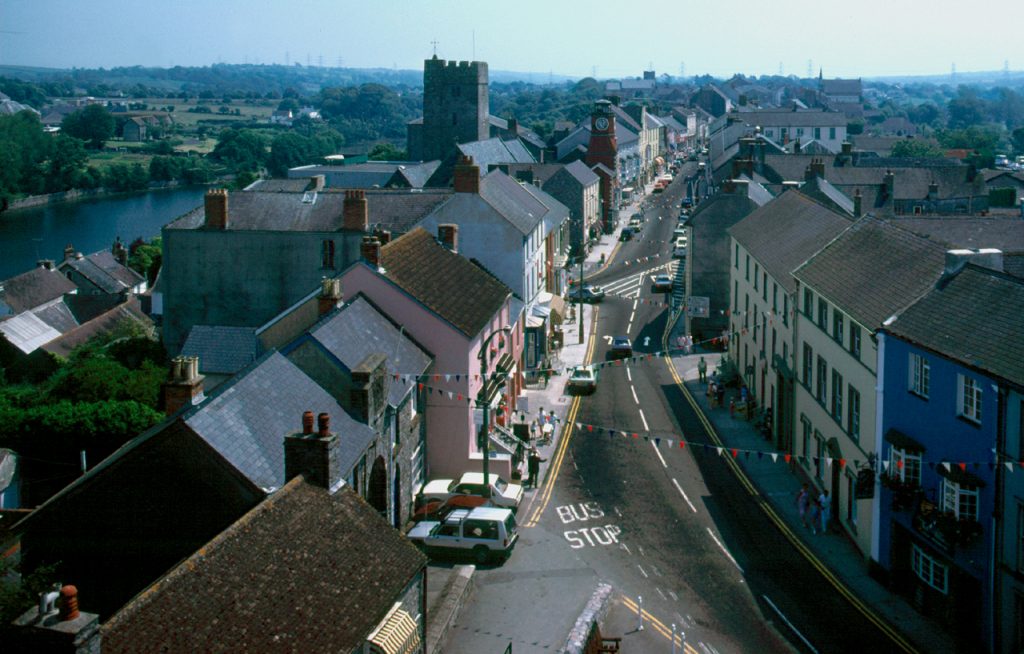
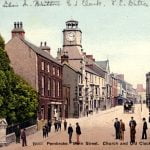
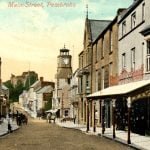
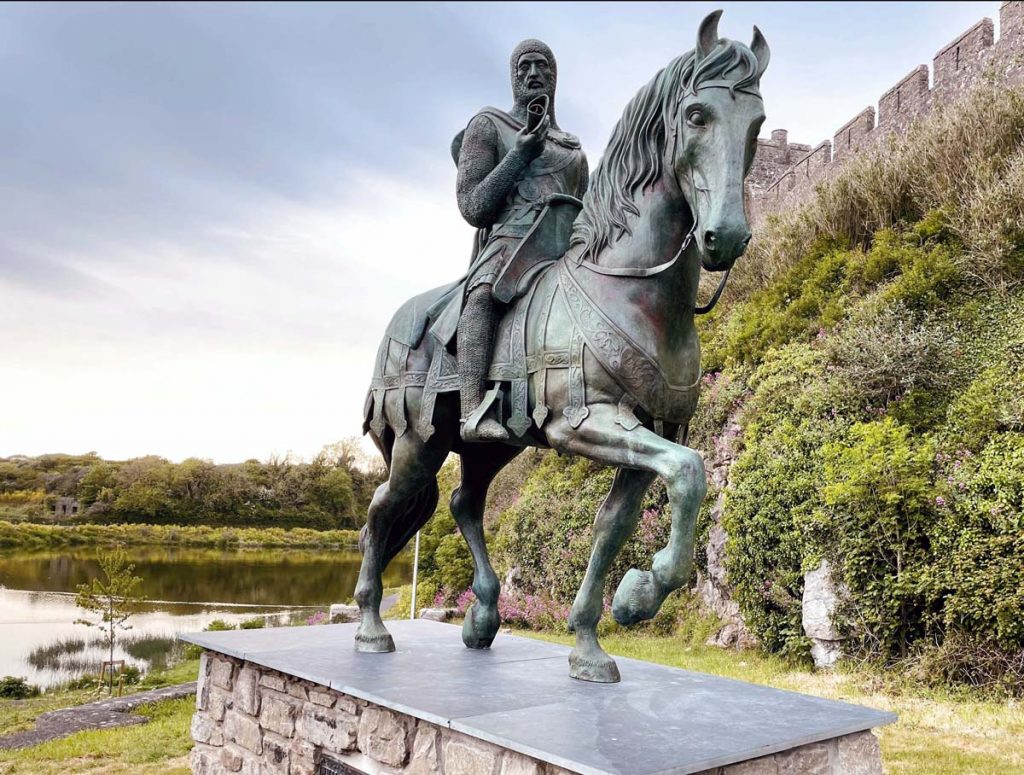
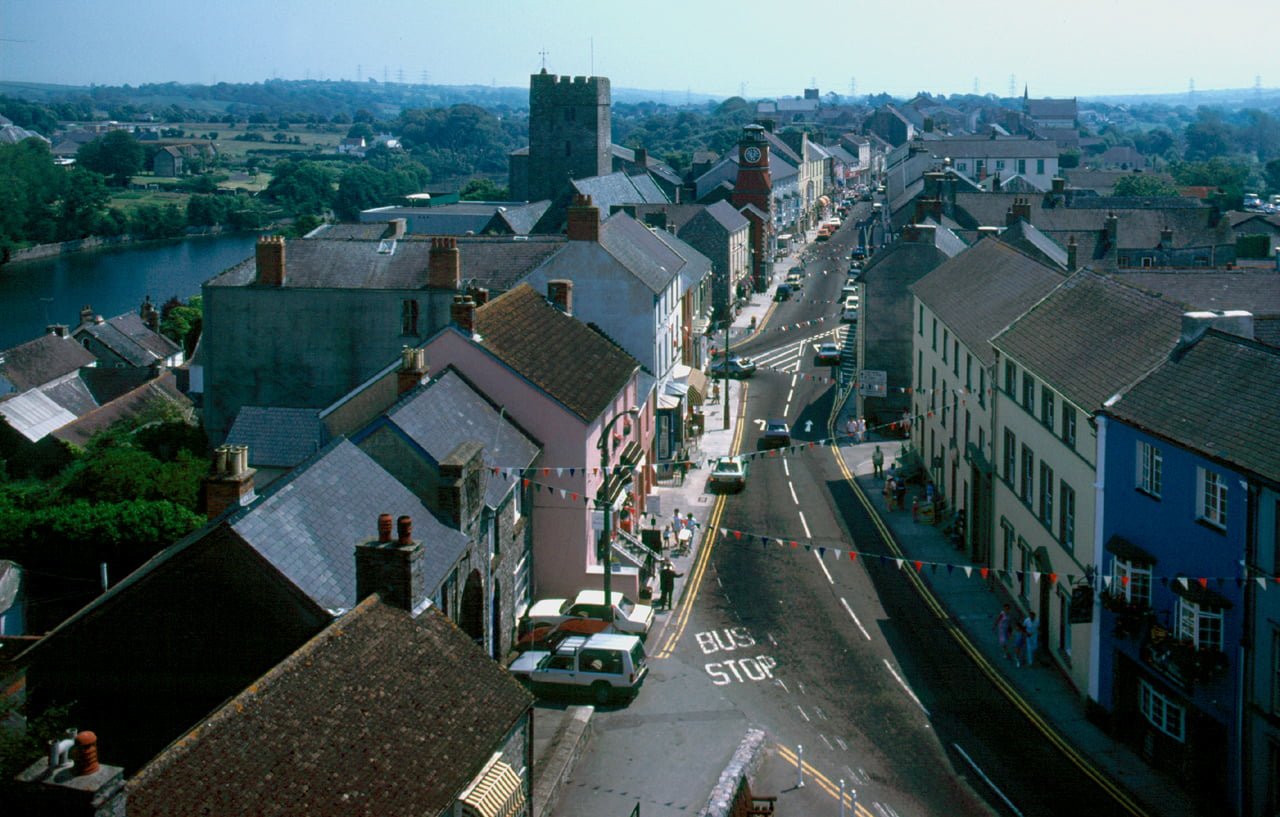
Strongbow’s daughter and heiress Isabel was married to the great William Marshal, who became Earl of Pembroke in 1189. He was responsible for the building of the Castle in stone, with its Norman Hall and distinctive, cylindrical Great Keep or Donjon. Pembroke grew and prospered in the shadow of the castle. The historic core of the town was established then, of one long main street flanked by shops, businesses and houses constructed in burgage plots, protected on three sides by water and surrounded by walls. Charters granted by Henry I and Henry II bestowed privileges upon the town, awarding it the monopoly of sea trade in Milford Haven which brought great prosperity.
 During
the Wars of the Roses, town & castle wavered in support of warring
Lancastrian & Yorkist factions. In 1447 Jasper Tudor (half brother
to Henry IV) was appointed Earl of Pembroke and into his care was sent
the young Margaret Beaufort who gave birth to a son in Pembroke Castle
in 1457, a son destined to become Henry VII and founder of the Tudor
dynasty. His son Henry VIII succeeded as Earl of Pembroke and bestowed
the title of Marchioness to his wife Anne Boleyn in 1532. It was during
this reign that Pembroke’s fortunes fell: the Act of Union 1536 took
away Pembroke’s Palatine status and brought to an end the Earldom. The
Second Act of Union 1543 gave Haverfordwest county status &
effectively became the county town. The title of Earl of Pembroke became
a title in name only. Monkton Priory too fell victim to the English
Reformation and the Dissolution of the Monasteries. These were times of
decline.
During
the Wars of the Roses, town & castle wavered in support of warring
Lancastrian & Yorkist factions. In 1447 Jasper Tudor (half brother
to Henry IV) was appointed Earl of Pembroke and into his care was sent
the young Margaret Beaufort who gave birth to a son in Pembroke Castle
in 1457, a son destined to become Henry VII and founder of the Tudor
dynasty. His son Henry VIII succeeded as Earl of Pembroke and bestowed
the title of Marchioness to his wife Anne Boleyn in 1532. It was during
this reign that Pembroke’s fortunes fell: the Act of Union 1536 took
away Pembroke’s Palatine status and brought to an end the Earldom. The
Second Act of Union 1543 gave Haverfordwest county status &
effectively became the county town. The title of Earl of Pembroke became
a title in name only. Monkton Priory too fell victim to the English
Reformation and the Dissolution of the Monasteries. These were times of
decline.
However, Pembroke rose again to national notice in the
following century. John Poyer, a staunch parliamentarian, became Mayor
in 1641 and in 1642 all of Wales declared for the king apart from
Pembroke and  Tenby.
Unfortunately, Poyer later changed sides and, in what was to become the
second civil war in 1648, subjected Pembroke to a lengthy siege which
was conducted by Cromwell himself. Poyer surrendered and was executed,
while much of the castle and walls of Pembroke were demolished.
Tenby.
Unfortunately, Poyer later changed sides and, in what was to become the
second civil war in 1648, subjected Pembroke to a lengthy siege which
was conducted by Cromwell himself. Poyer surrendered and was executed,
while much of the castle and walls of Pembroke were demolished.
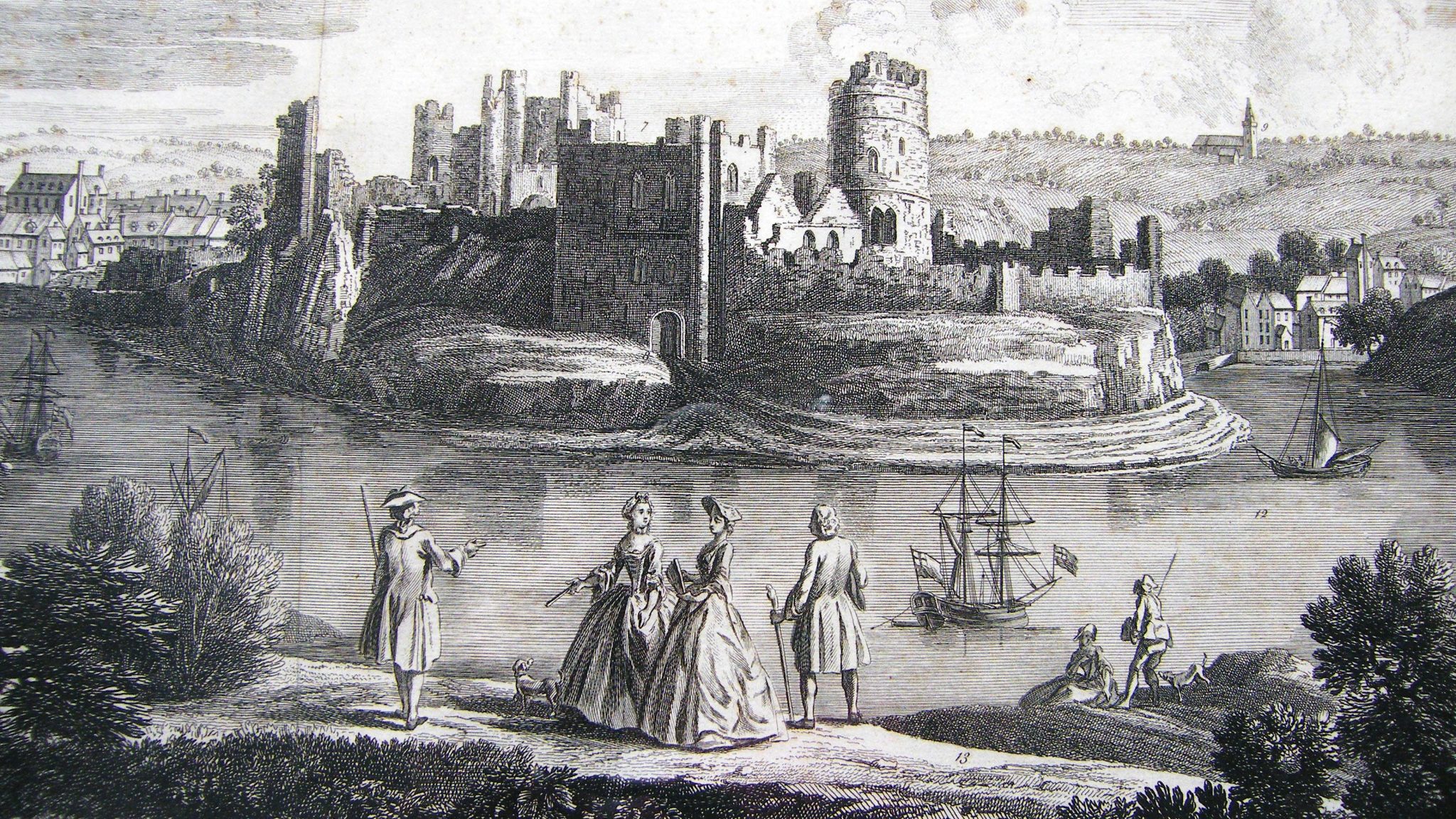
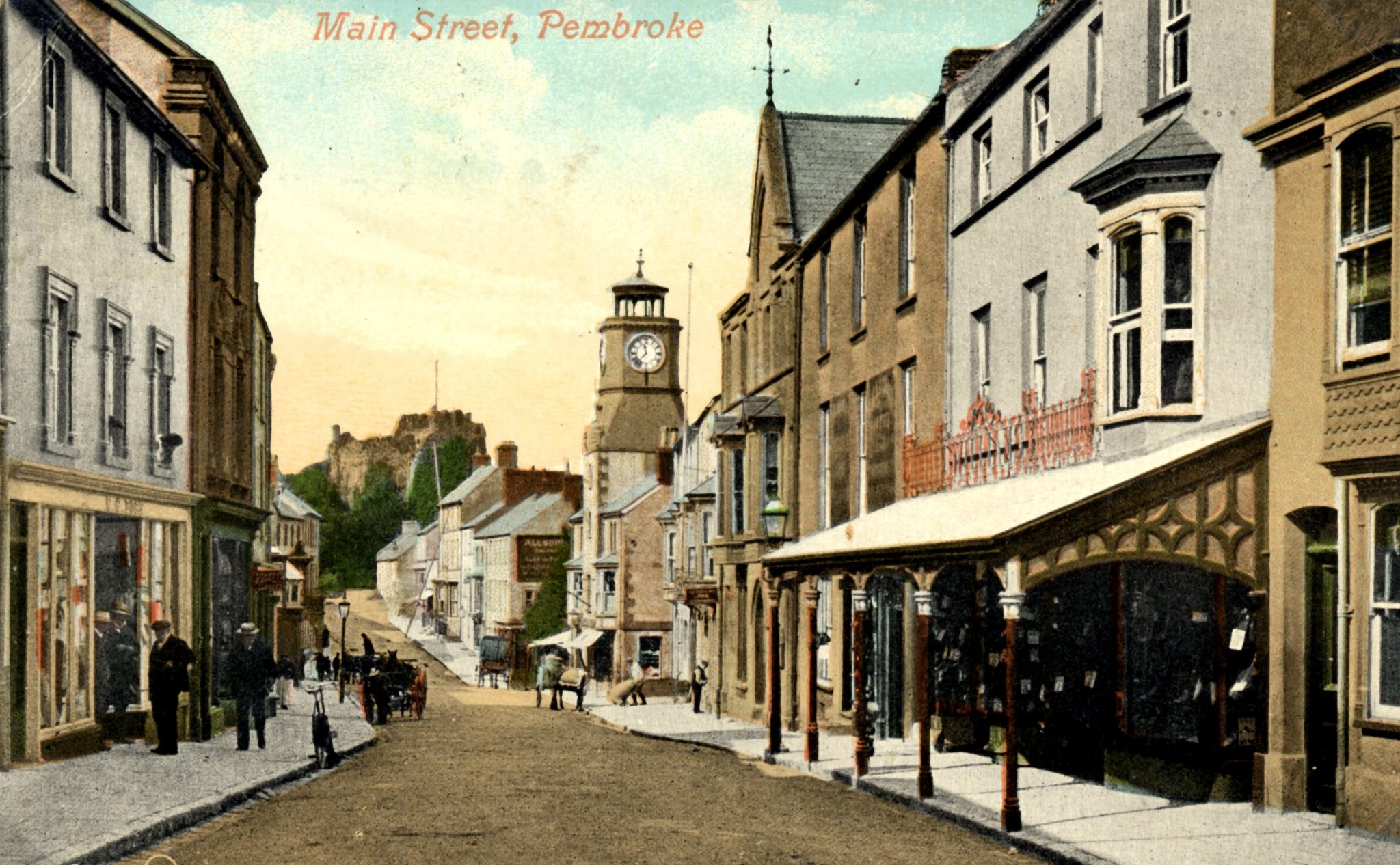
These were bad times indeed but it would appear that Pembroke saw a revival of its fortunes in the 18th Century when Daniel Defoe described it as the richest and most flourishing town in South Wales. Pembroke was now the major port on Milford Haven and trade was booming. Many of the houses in the Main Street date from this time, built in the 18th and early 19th Centuries in a simple Georgian style. Many were rebuilt on medieval sites and still incorporate the earlier fabric including the undercroft.
Pembroke’s
fortunes took a down turn in the 19th Century: much maritime trade was
taken by Haverfordwest & Milford and the opening of the railway in
1866 resulted in the gradual decline of Pembroke’s shipping industry.
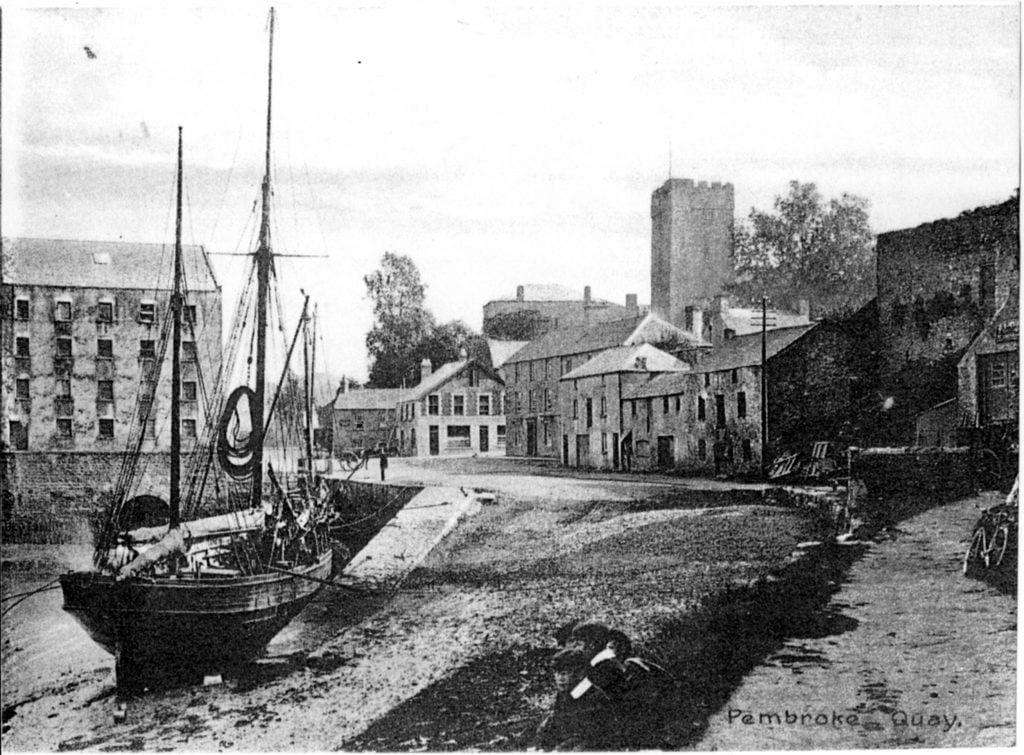
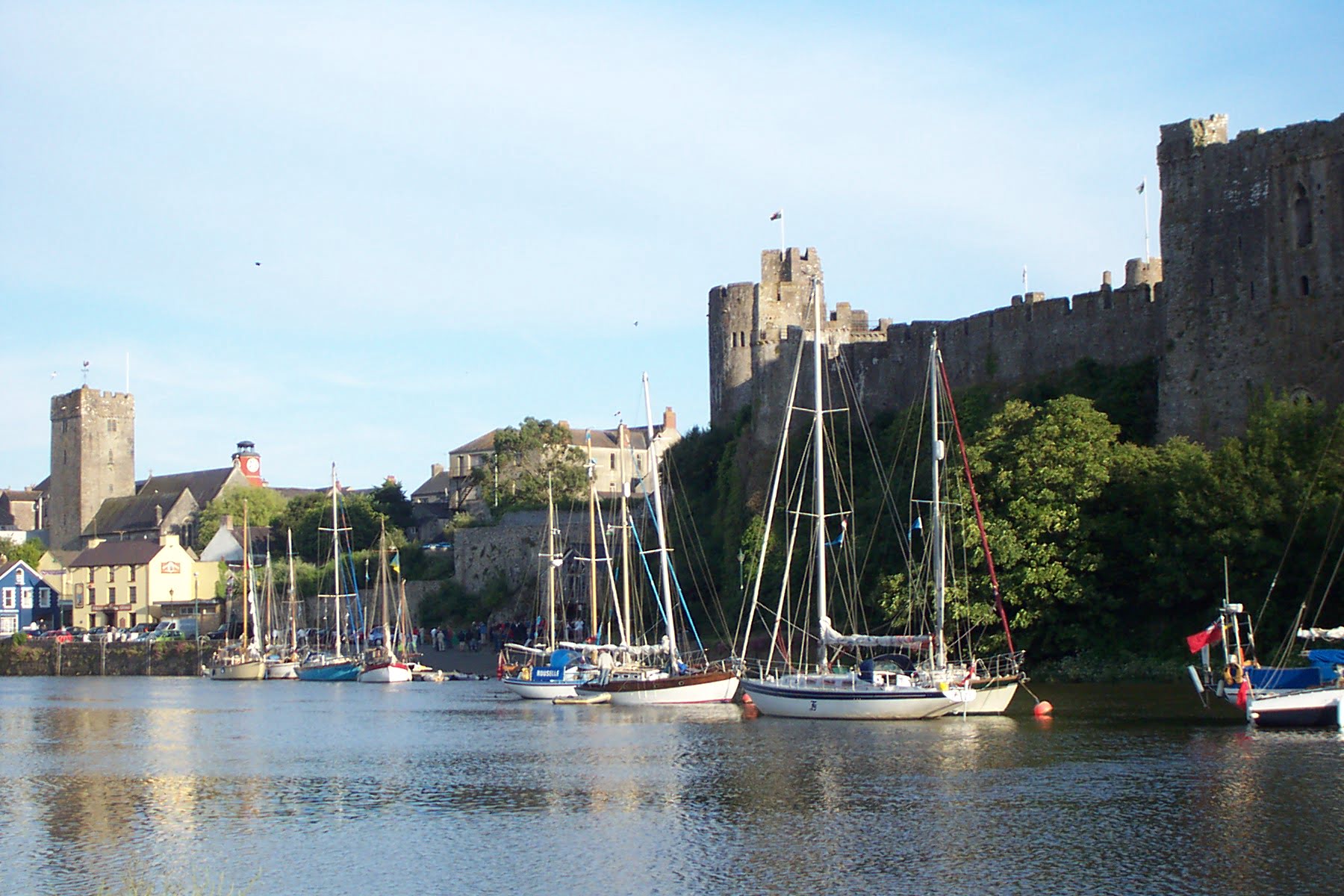
The last trading vessel to sail up to the Pembroke Quay was the Kathleen
and May in 1960.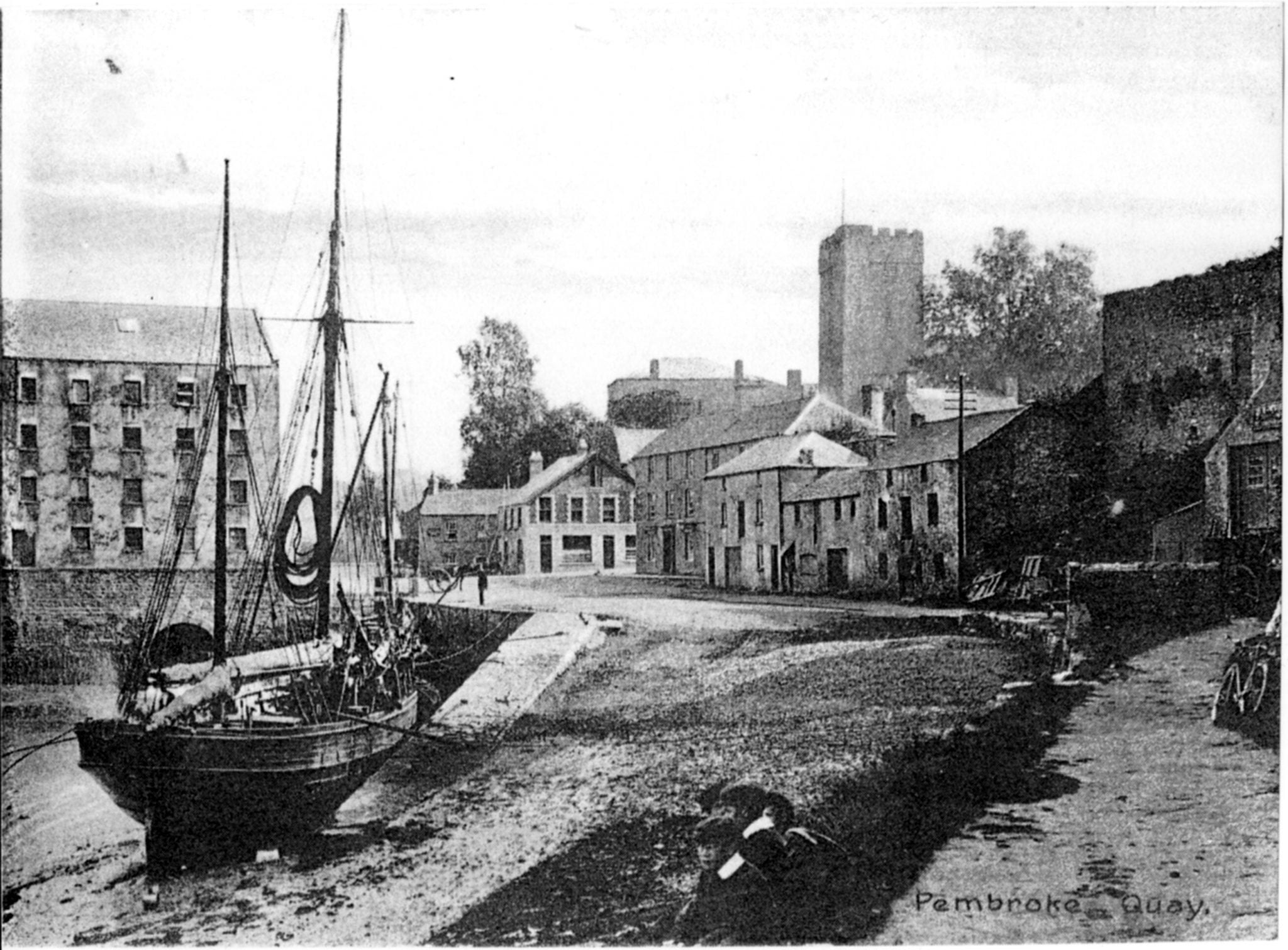
Pembroke, unlike Pembroke Dock, was left unscathed by the blitz of WWII. It was after the Second World War that Pembroke was to change dramatically: until then it was largely still confined within its walls and the medieval layout of burgage plots was almost intact. After the war Pembroke saw a huge expansion of housing and much of Monkton was destroyed to create a new social housing development.
In 1972 Pembroke was designated a Conservation Area in recognition of its national historic importance and architectural merit.
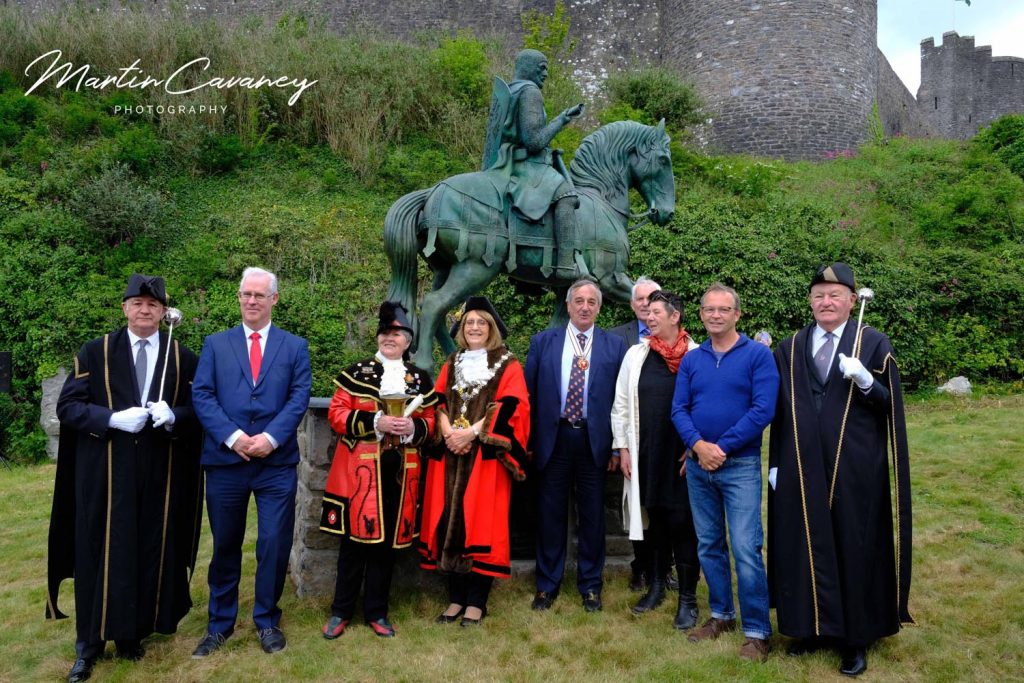
Collections
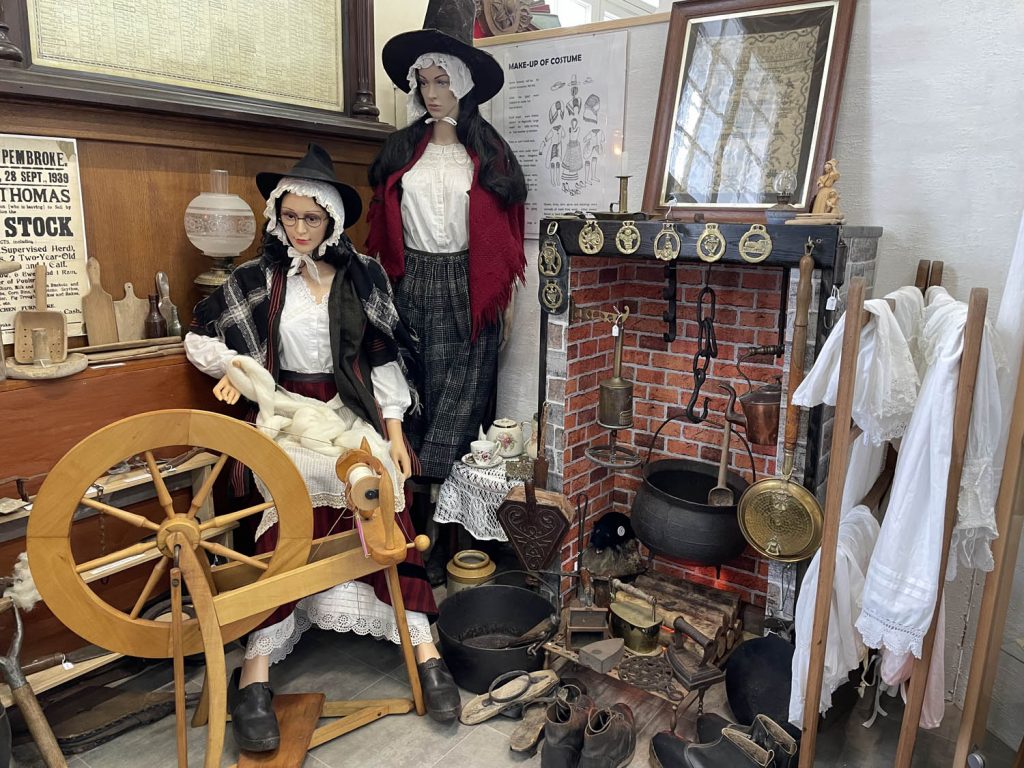
Collections
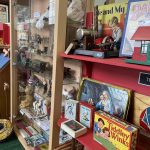
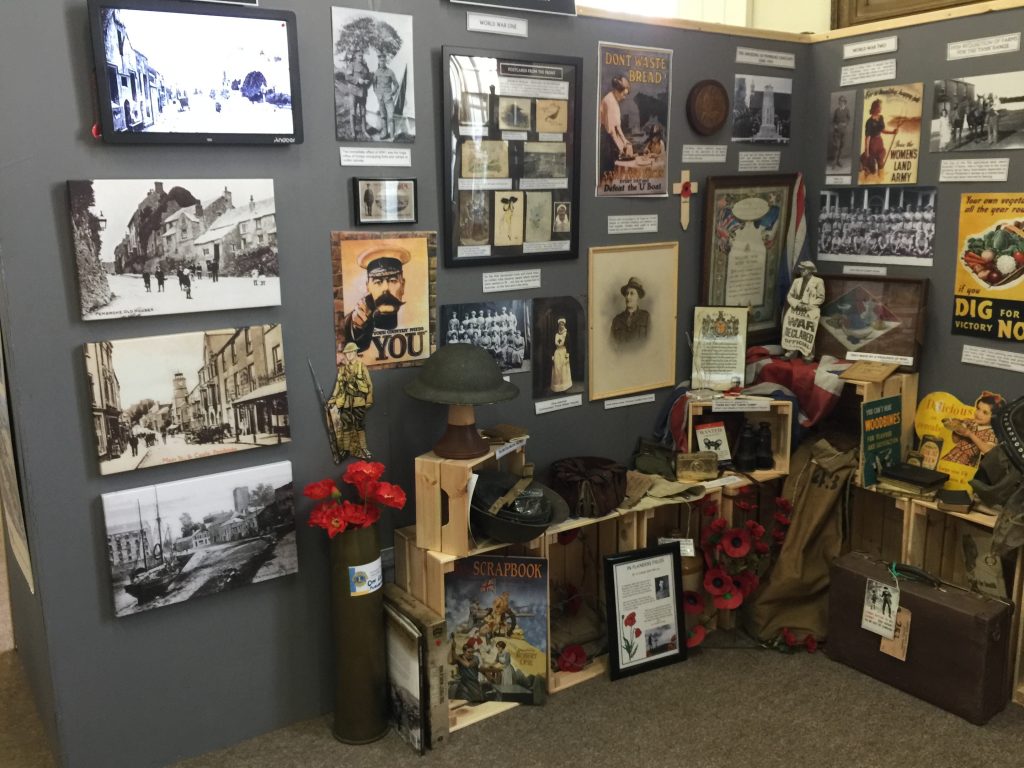
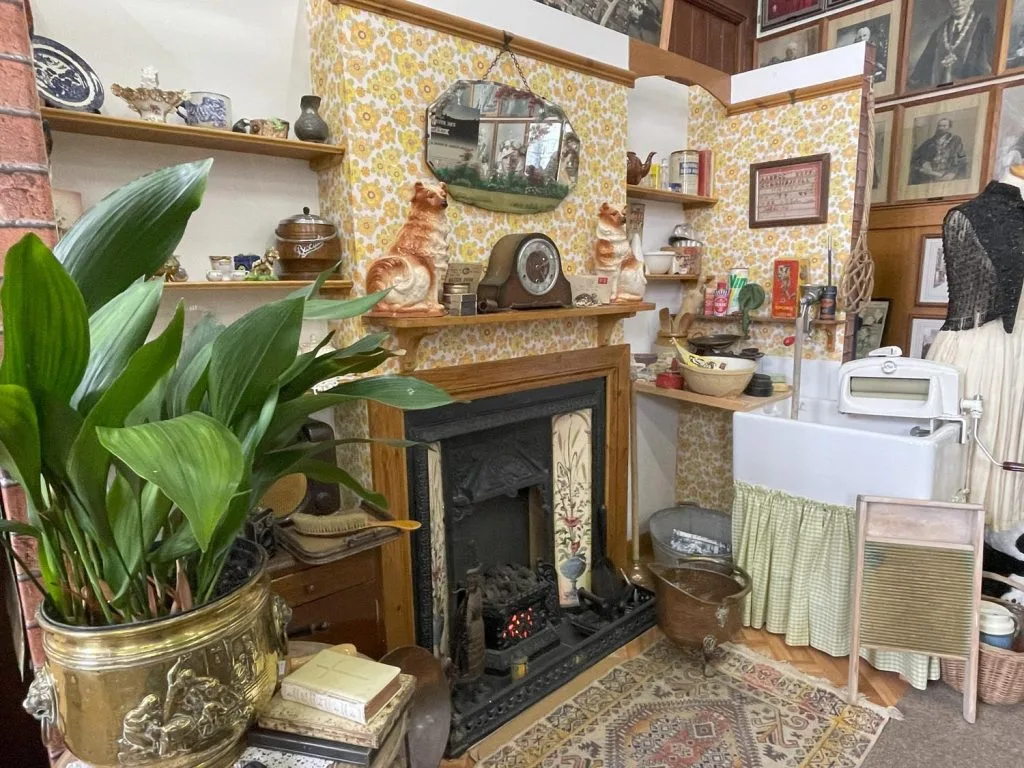
YESTERDAY’S HOME
A collection of artefacts from a 1940s home

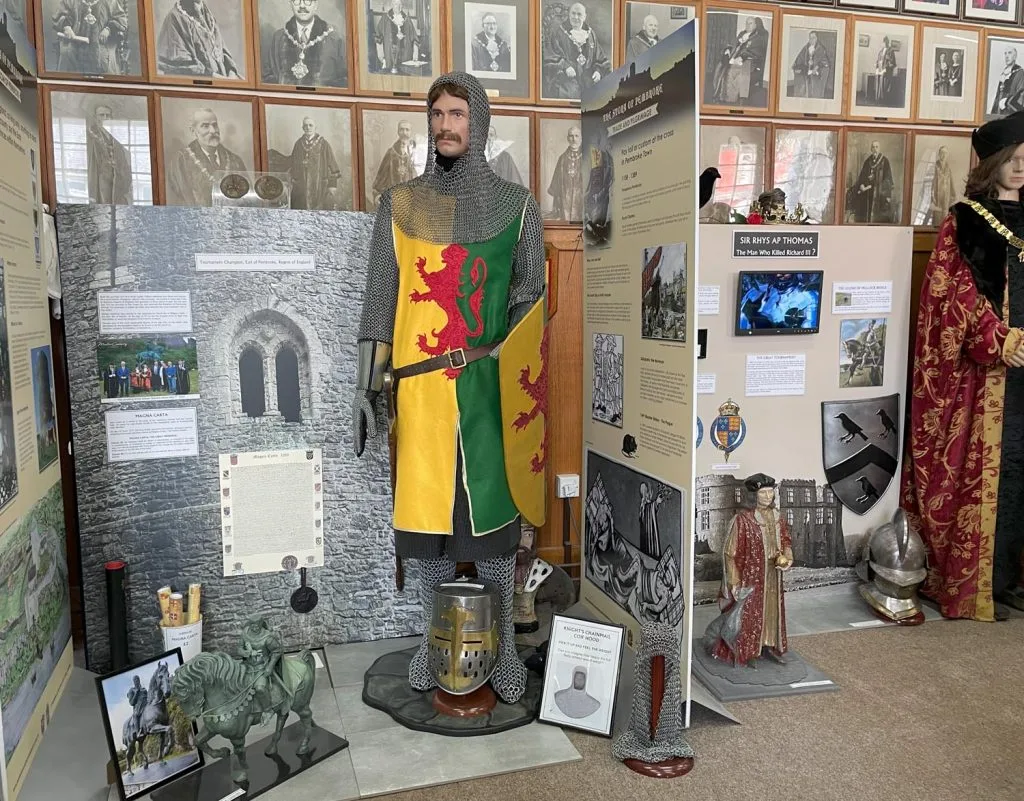
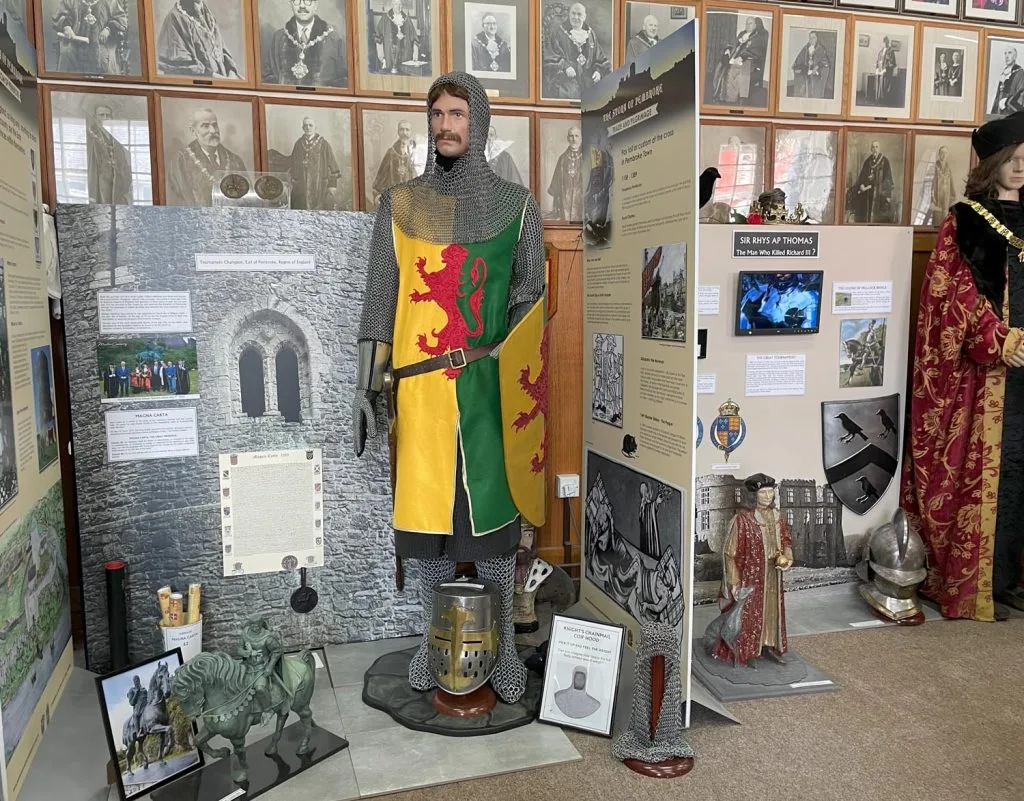
STORY OF PEMBROKE
Pembroke has a great and prestigious history. Follow the story
of Pembroke and meet the people who made Pembroke great, including the
Princess Nest; the great Earl of Pembroke, William Marshal; Henry VII,
founder of the Tudor dynasty and John Poyer who heroically held out
against Cromwell in the siege of Pembroke.

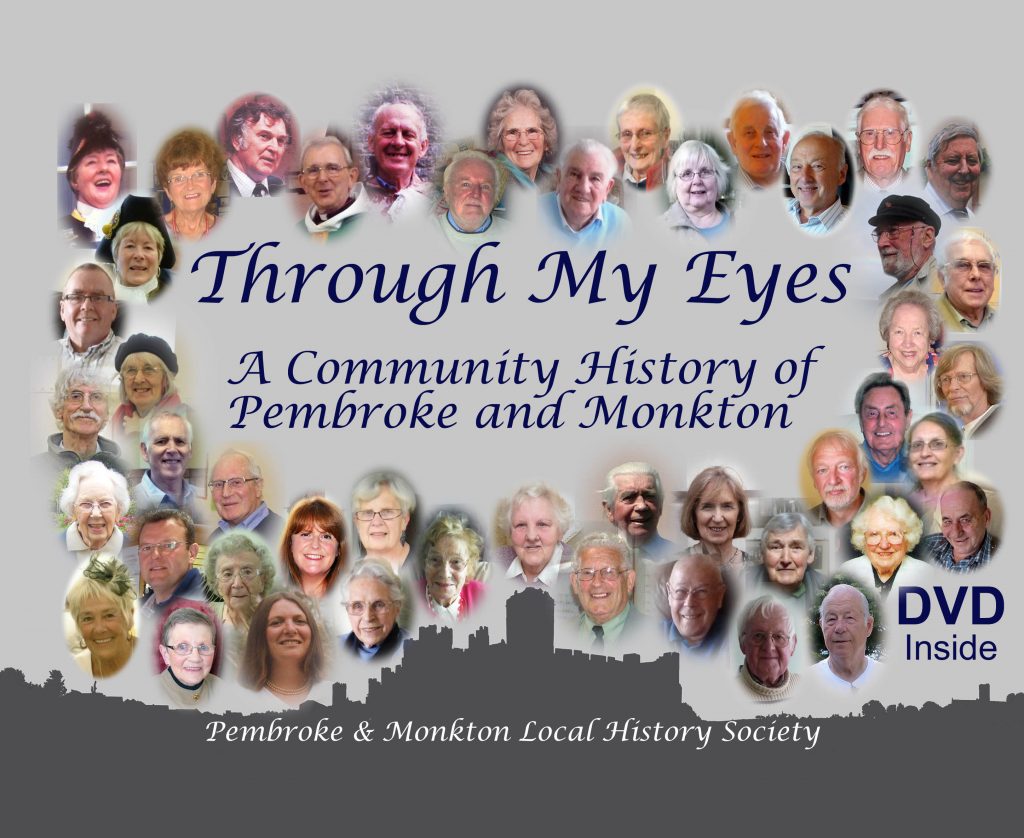
ORAL HISTORY
Oral history recordings have featured strongly in the work of the
History Society. This developed into digital story telling and the
Society has published a history of Pembroke told through the experiences
of 45 people. These stories can be seen in the Museum and is also
available to purchase as a DVD with an accompanying book ‘Through My
Eyes: a Community History of Pembroke & Monkton’.

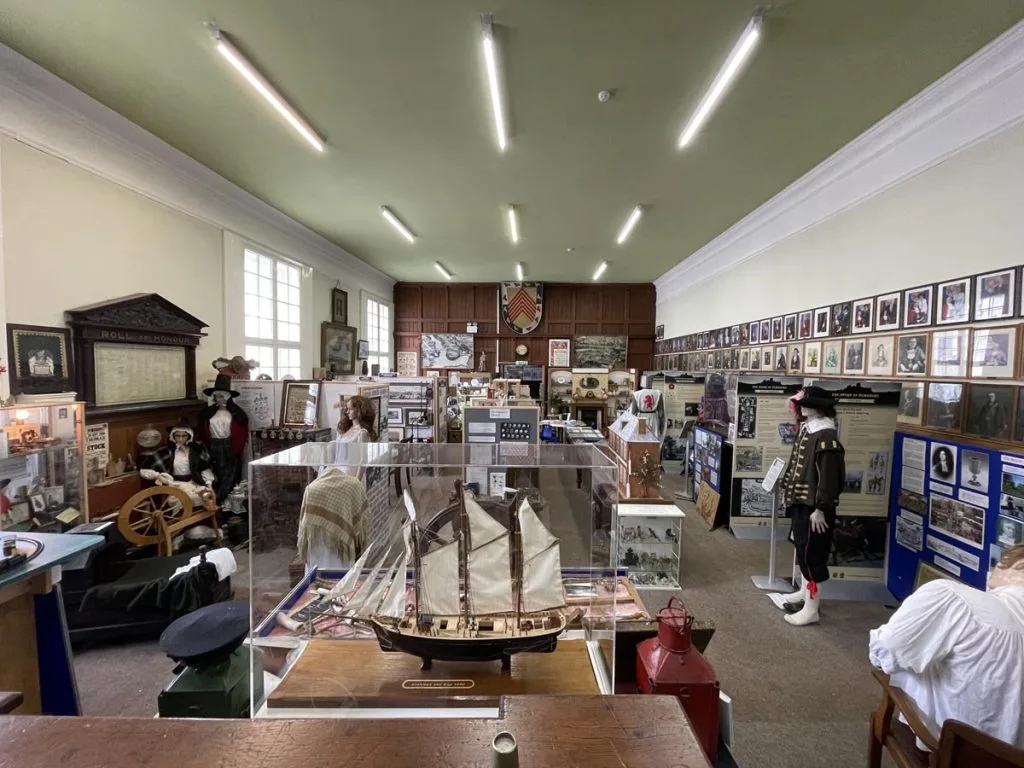
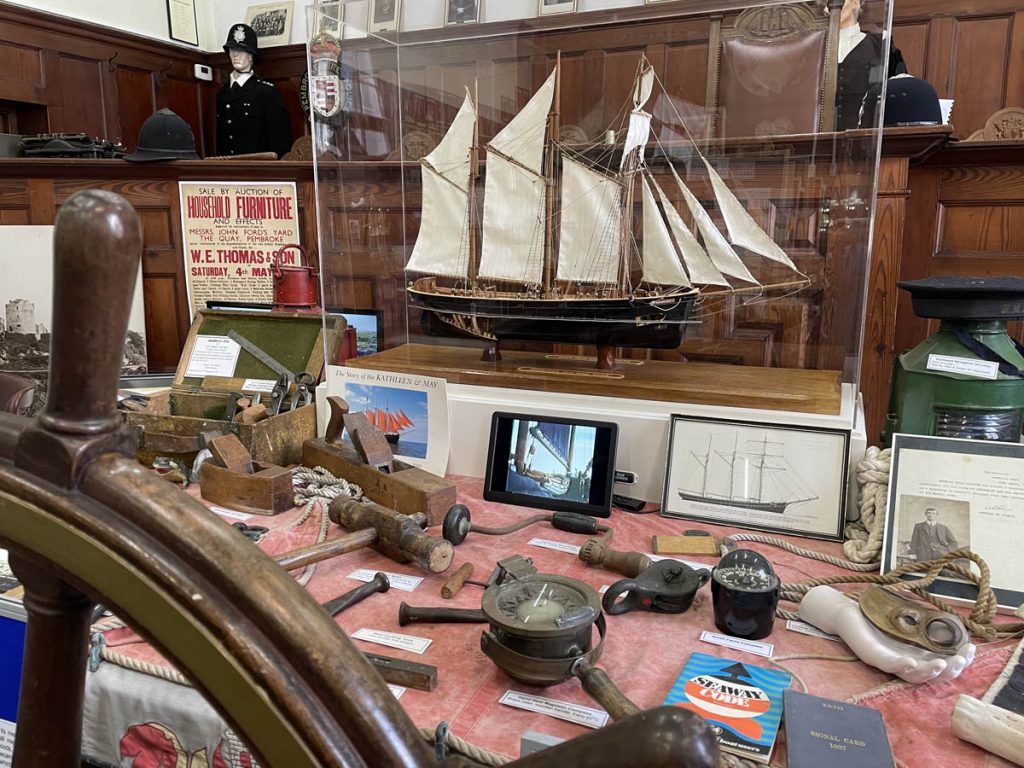
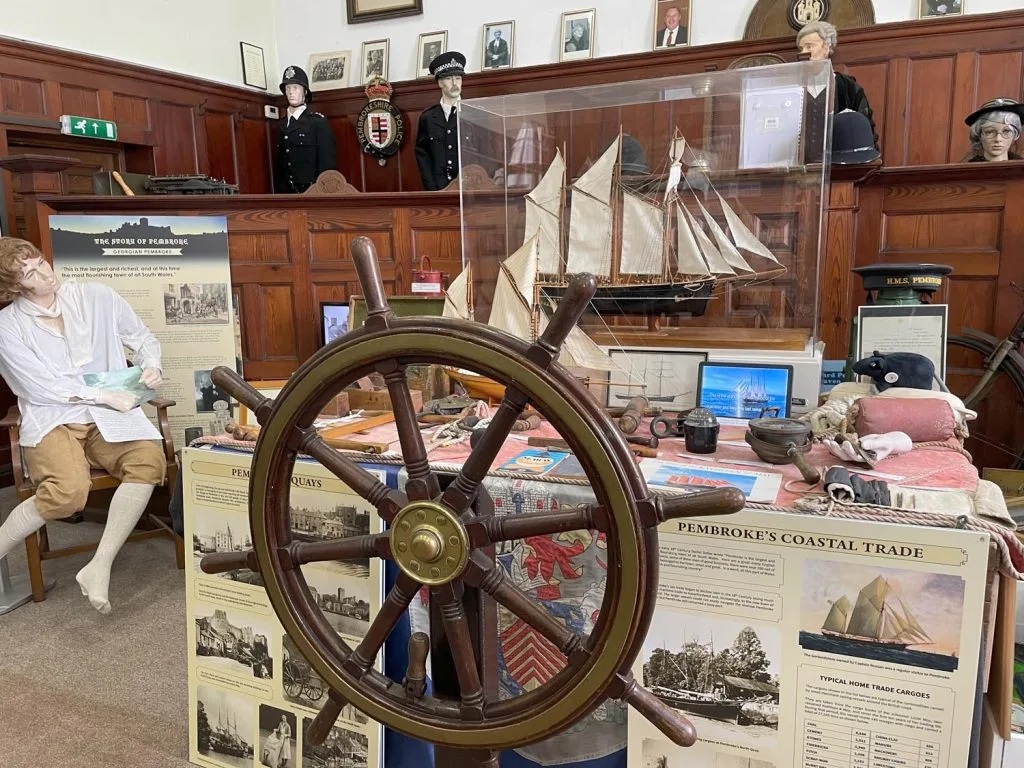
MARITIME PEMBROKE
Pembroke was once a great port and maritime history features prominently
in our collection. We have a collection of artefacts from West Wales
Maritime Heritage Society including fine model ships of the Mary Fortune
(Henry VII’s battleship) and the Kathleen & May made by David
James. WWMHS has a museum in Hancock’s Yard, Pembroke Dock, http://www.westwalesmaritimeheritage.org.uk/

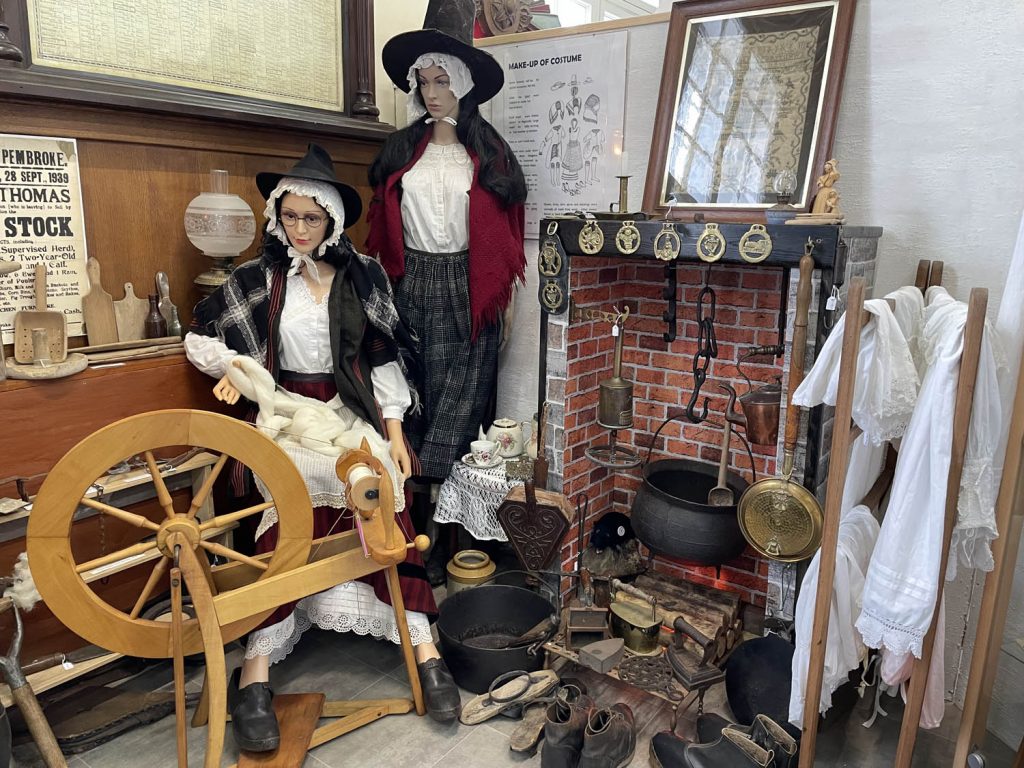
THE WELSH COLLECTION
The Museum has an important collection of 19th Century Welsh costume with accompanying artefacts.
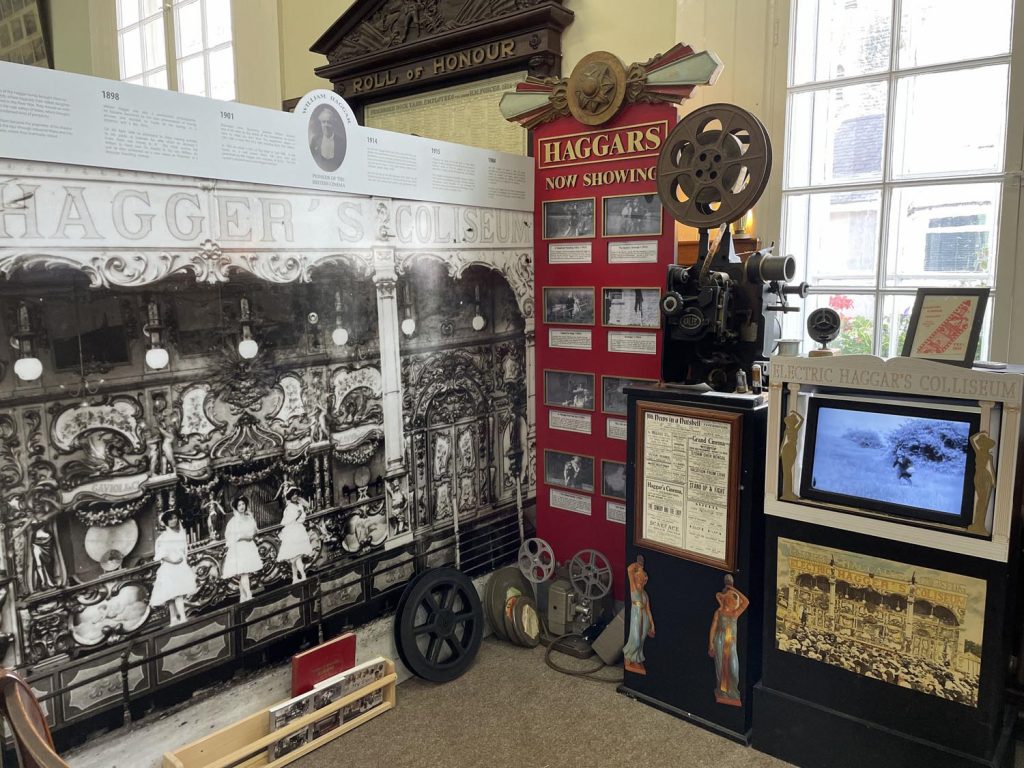
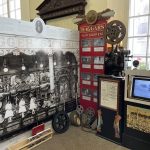
HAGGAR’S WORLD OF SILENT MOVIES
The much loved Haggars cinema in Pembroke closed its doors in 1984. It
was one of a number of cinemas founded by William Haggar, pioneer of
movie making in this country and whose origins lay in the travelling
theatres and bioscopes (travelling cinema) which travelled the
fairgrounds, once a main attraction in Pembroke Michaelmas Fair. The
museum holds a Haggar archive which includes the surviving Haggar silent
movies which can be viewed. A book on the history of the Haggar family
has been published by Pembroke & Monkton Local History Society and
is on sale in the Museum.

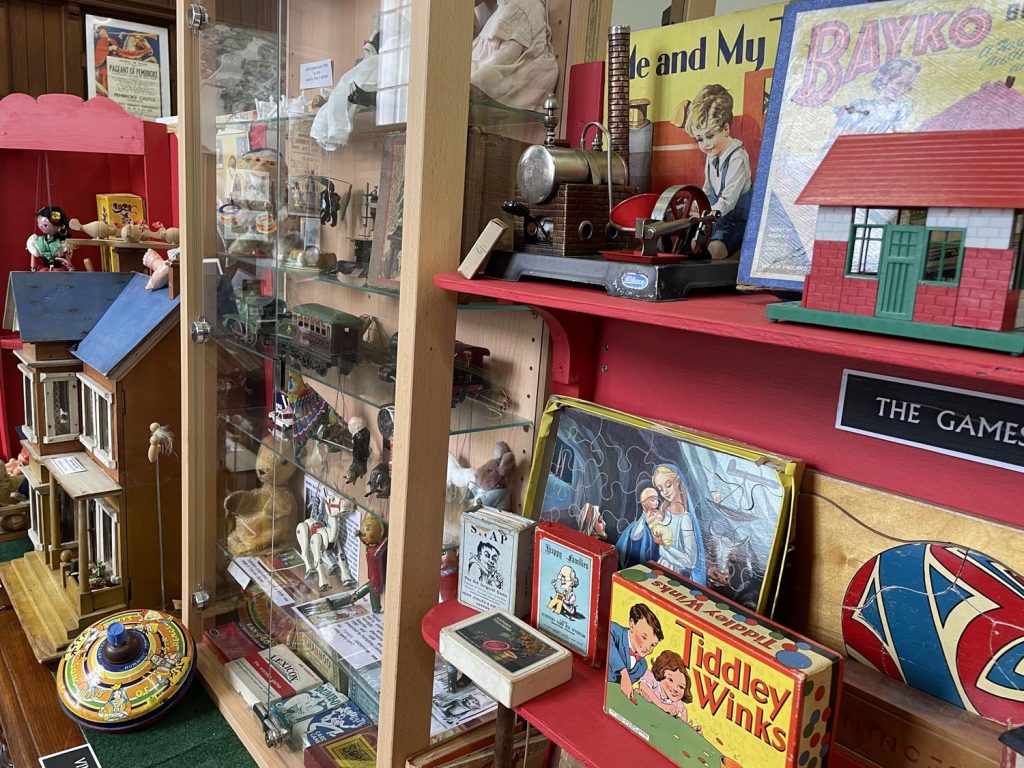
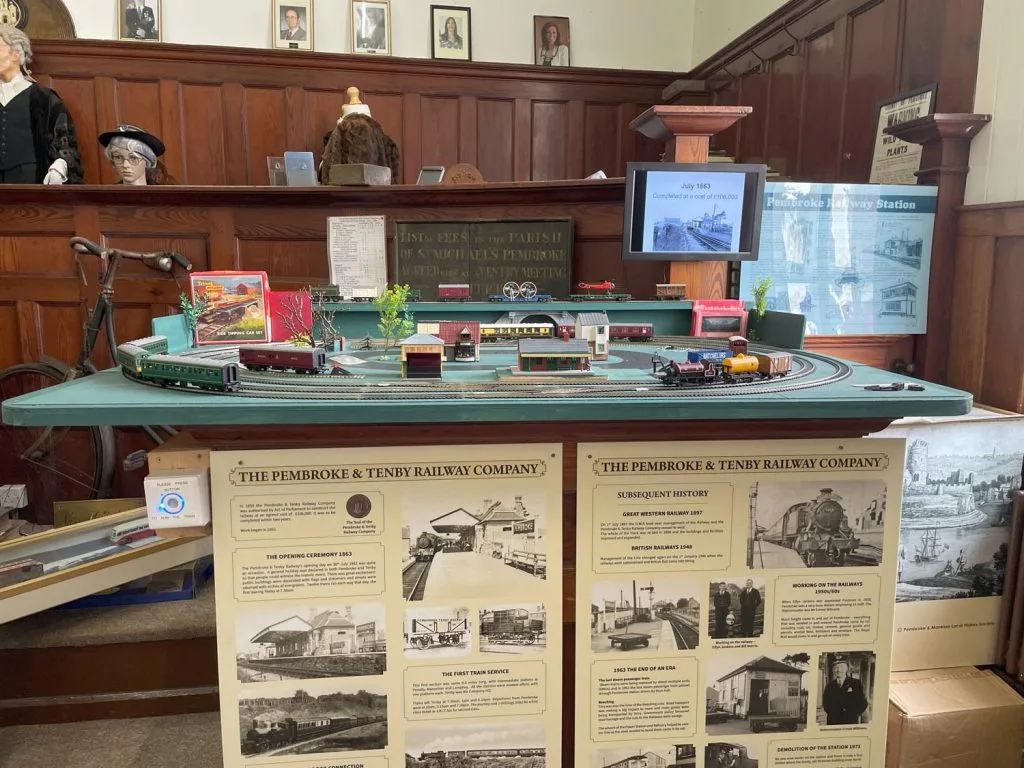
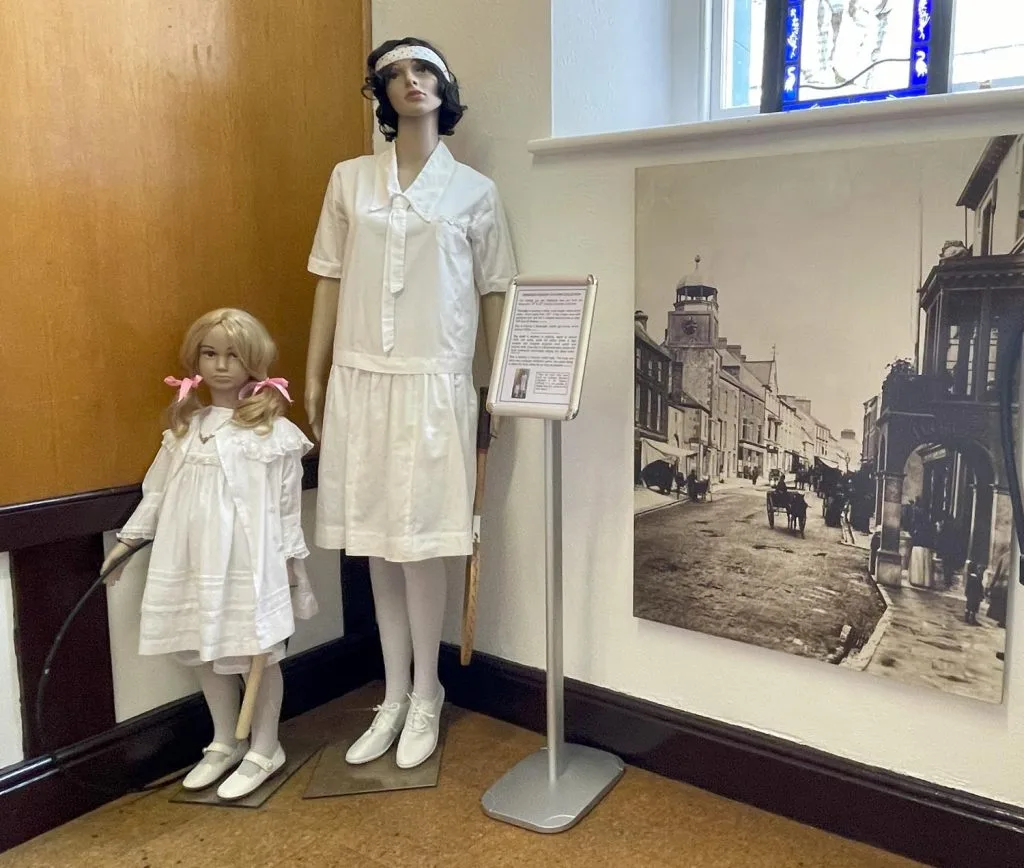
CHILDREN’S TOYS
Our toy collection ranges from Victorian to the 1950s: from hoops,
puzzles, board games and construction toys to puppets and toy trains.
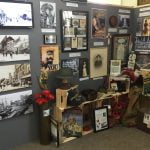
PHOTOGRAPHIC ARCHIVE
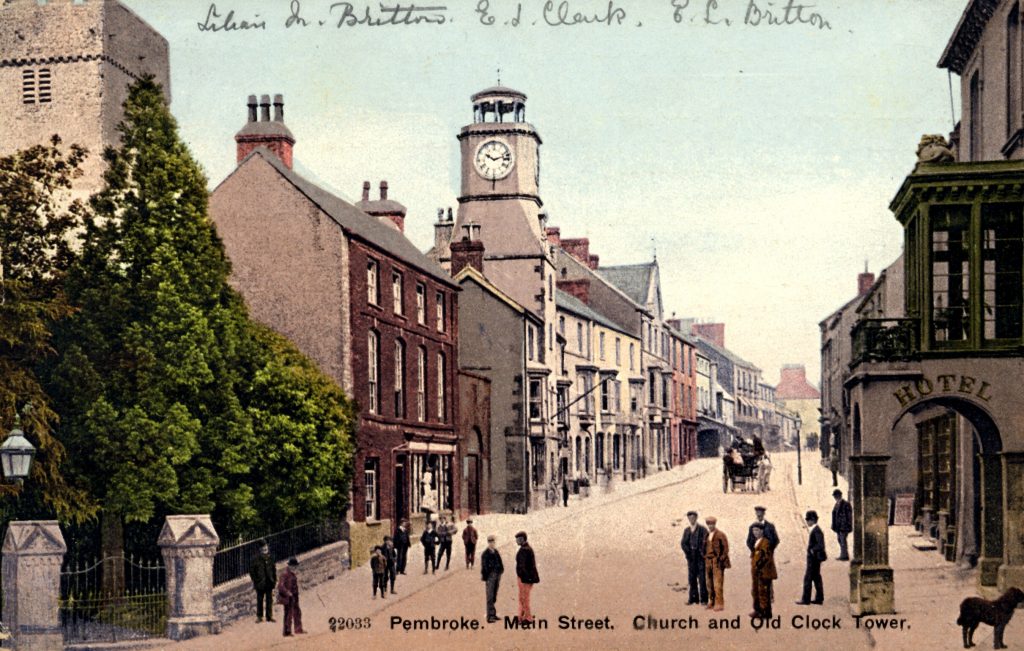
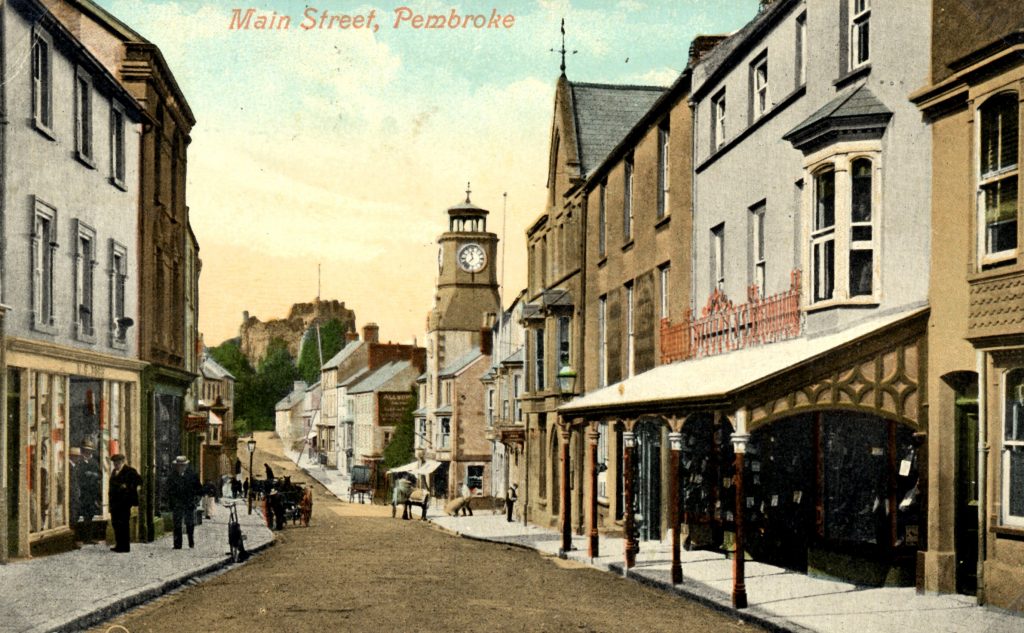
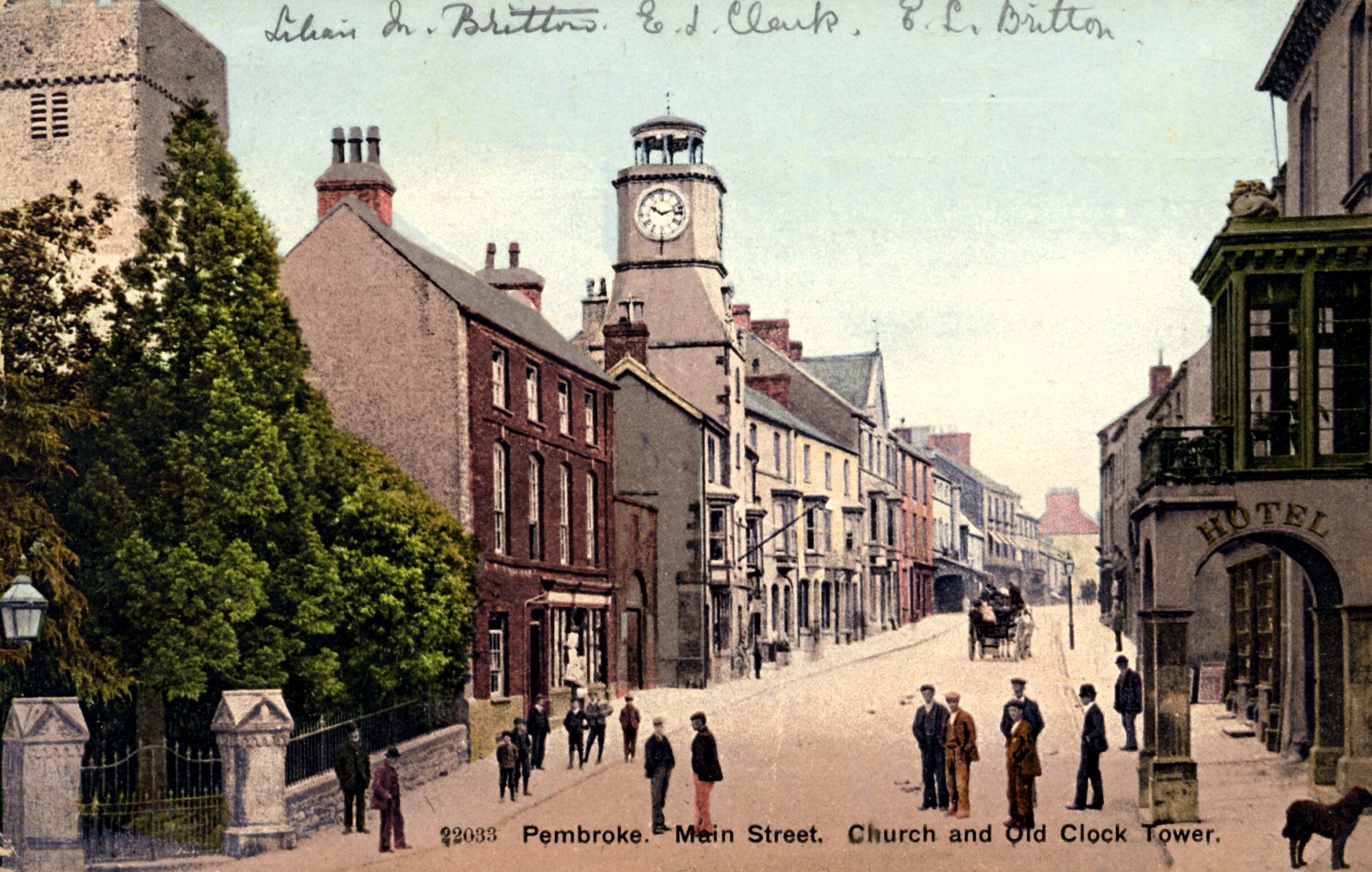
The Museum has a large collection of old picture postcards and a
very large archive of digitalised photographs of Pembroke and
surrounding area. We are always looking to increase this and welcome
photographs to scan.

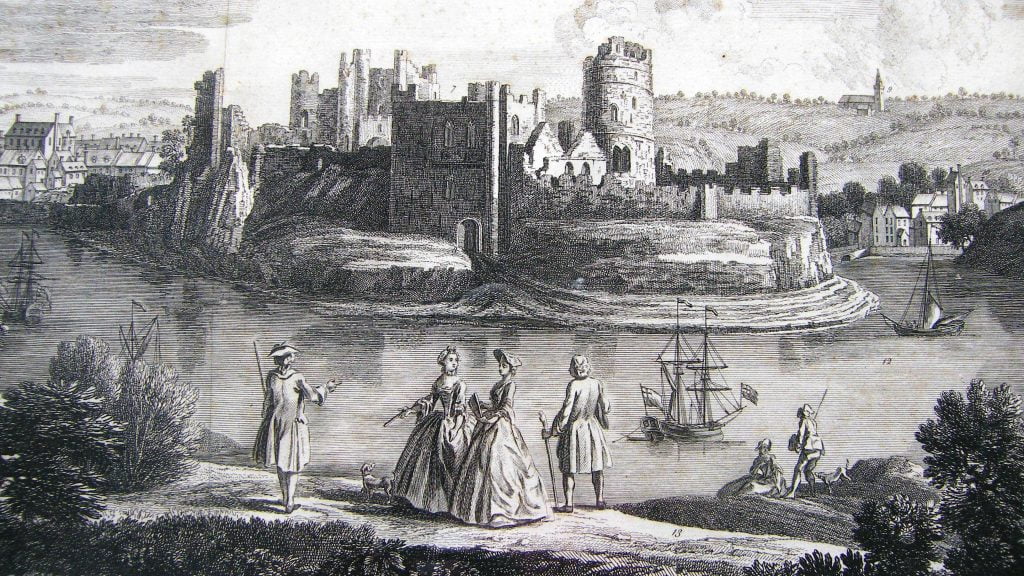
PRINTS OF PEMBROKE
Many of the great 18th and 19th Century artist, including Turner and
Sandby, came to Pembroke to paint the castle and it picturesque
surroundings. The Museum has a fine collection of prints, including the
Buck’s brothers Pembroke Prospect 1747.

The Museum welcomes donations. Pembroke Museum literally started from scratch in 2013: everything we have has either been loaned or donated.
If you can help, please contact
Hon. Curator Linda Asman on 07584 429224 or email pembrokehistory@live.co.uk






Volunteering
Volunteering


Get In Touch
If you have any questions or queries, you can reach us at enquiries@pembroketowncouncil.co.uk
Pembroke Town Council
Pembroke Town Hall
Phone: (01646) 683092
Email: enquiries@pembroketowncouncil.co.uk
www.pembroketownguide.co.uk

Email: pembrokehistory@live.co.uk
www.pembrokeandmonktonhistory.org.uk